
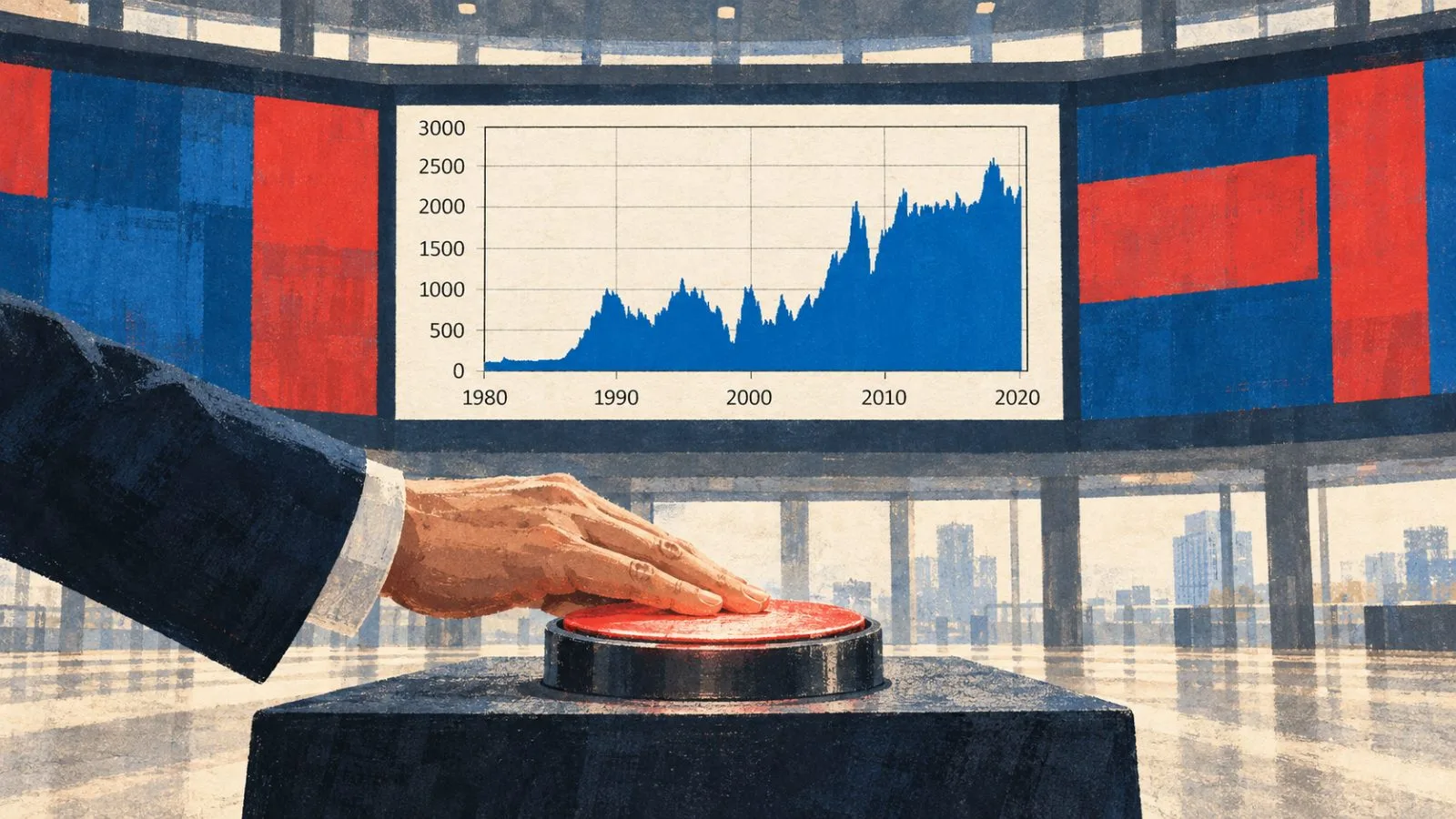
Goldman Sachs cut its 12-month KOSPI target by a quarter to 9,000 points, Bloomberg reported, as a steep market decline and questions about returns on AI spending sharpened scrutiny of South Korean equities.
The Oct. 25 research note lowered the target from 12,000. Bloomberg said the move followed a drop of more than 35% in the index from its June peak. The report tied investor doubts to whether revenue from large AI build-outs would justify the capital invested, as financing costs rise.
Goldman’s strategists said market pricing reflected an overly negative view of fundamentals, Bloomberg reported. The revised target still implied more than 60% upside from the levels used in the report. The KOSPI closed at 5,469.47 on Oct. 26, down 80.83 points, or 1.46%, Yonhap reported. From that later close, 9,000 would be 64.6% higher, based on the reported index level and target.
Bloomberg said the index’s 12-month forward price-to-earnings ratio had fallen to about four, matching a level last observed in 2006 in its comparison of 18 markets. The report also said current prices reflected an expected 65% contraction in semiconductor earnings in 2027; Goldman’s strategists considered that implied decline too severe. Stocks outside the memory sector, which Bloomberg said account for about half of the index, traded at 7.6 times forward earnings.
Samsung Electronics and SK Hynix were central to the index’s role as a gauge of the AI trade, Bloomberg reported. Goldman’s reported preferences included power and industrial companies, governance-related stocks, and businesses positioned to benefit from domestic reflation or Korean popular culture.
The target cut returns Goldman to a level it set in May, when Goldman Sachs Research raised its 12-month KOSPI target to 9,000 from 8,000. Reuters reported that the bank raised it again in June, to 12,000 from 9,000. EconoTimes earlier reported that South Korean shares fell Oct. 20 as a Goldman Sachs risk-appetite measure dropped below zero.