The Federal Reserve may need to raise interest rates further because the US economy continues to show strength, Bank of America’s Cabana said, challenging expectations that increases will soon end.
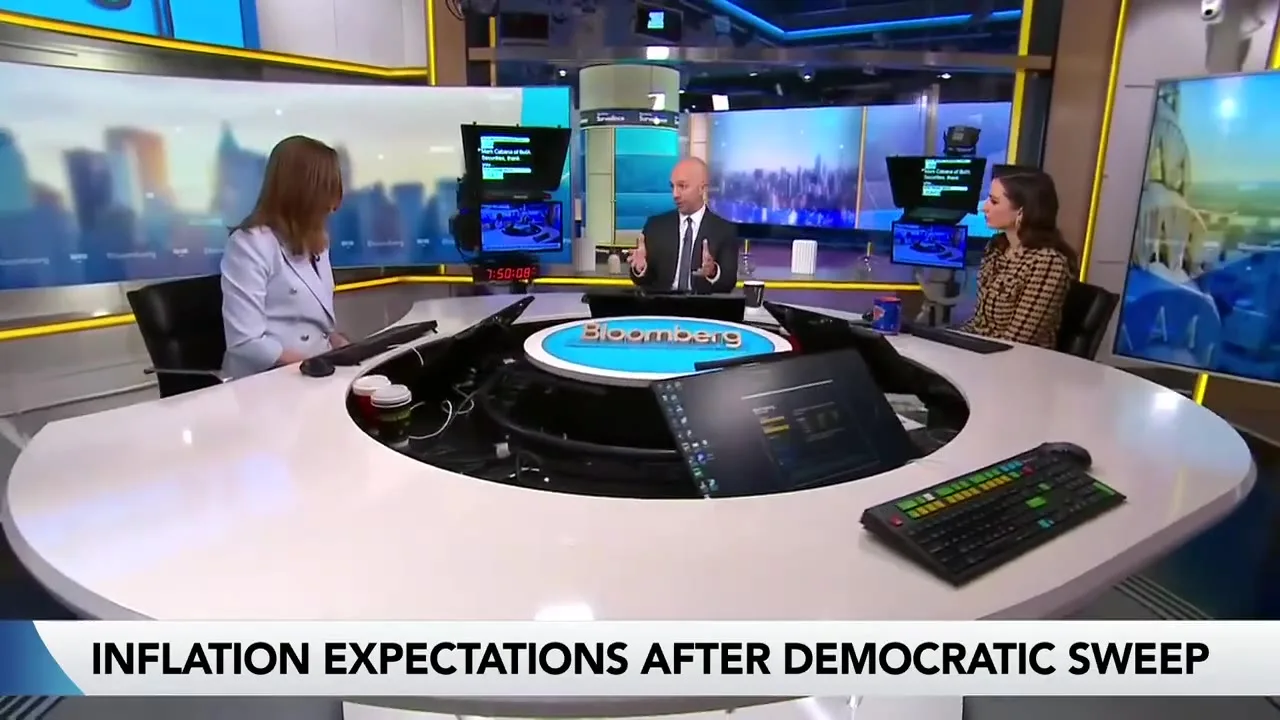
Markets were pricing in a limited run of further increases, while consumer spending and employment gave little reason to assume the economy was weakening. Cabana spoke in a Bloomberg Television interview published Nov. 5.
Cabana identified three market expectations that the bank questioned: an easing of tensions in Iran, weaker US growth and central banks approaching the end of their rate increases. Oil prices reflected expectations of an easing in Iran, Cabana said.
The view that US growth had peaked was already present before the midterm elections, following some technology companies’ earnings. Expectations also assumed that central banks worldwide would need only small policy adjustments before finishing their increases.
For the Fed, market pricing included an increase in March followed by an end to the cycle. Cabana questioned whether those expectations matched economic conditions, describing the US economy as still very strong.
The bank’s internal debit and credit card spending data showed that purchases of some holiday items had already picked up. That evidence supported its assessment that consumers continued to spend as the holiday shopping season began.
Cabana also cited the four-week average of initial unemployment claims, which smooths weekly changes in applications for jobless benefits, as being around its lowest since COVID. The labor market appeared stable at worst and possibly strengthening.
The bank’s economists expected a stronger result than the consensus for the following day’s labor data and saw some chance of a lower unemployment rate. Cabana gave no numerical forecast for either measure.
An easing of tensions in Iran was also uncertain. Taken together with the strength of spending and employment, that uncertainty made it premature to declare the rate-increase cycle nearly finished.
“It just seems a little premature to call the end of the hiking cycle when it’s just gotten started,” Cabana said.
Lower oil prices mattered for inflation, but they also helped consumers. The recent decline in oil and other commodity prices reduced a burden on household spending that the bank had previously compared with a consumption tax.
Cheaper oil could therefore help sustain growth, spending and economic activity, whether or not an easing of tensions in Iran caused the decline. That left the bank questioning how firmly markets had accepted the three expectations.
A Fed that raised rates slowly could ultimately need a higher peak interest rate, with other central banks potentially facing the same outcome. Cabana favored positions benefiting from higher short-term rates and a narrower gap between short- and long-term yields.
The remarks left open how many additional increases the Fed might need, where rates would peak and when the cycle would end.