Reports from parts of eastern Australia point to a busier Bogong moth migration this spring, but sighting records and resort observations do not quantify the species’ overall population recovery.
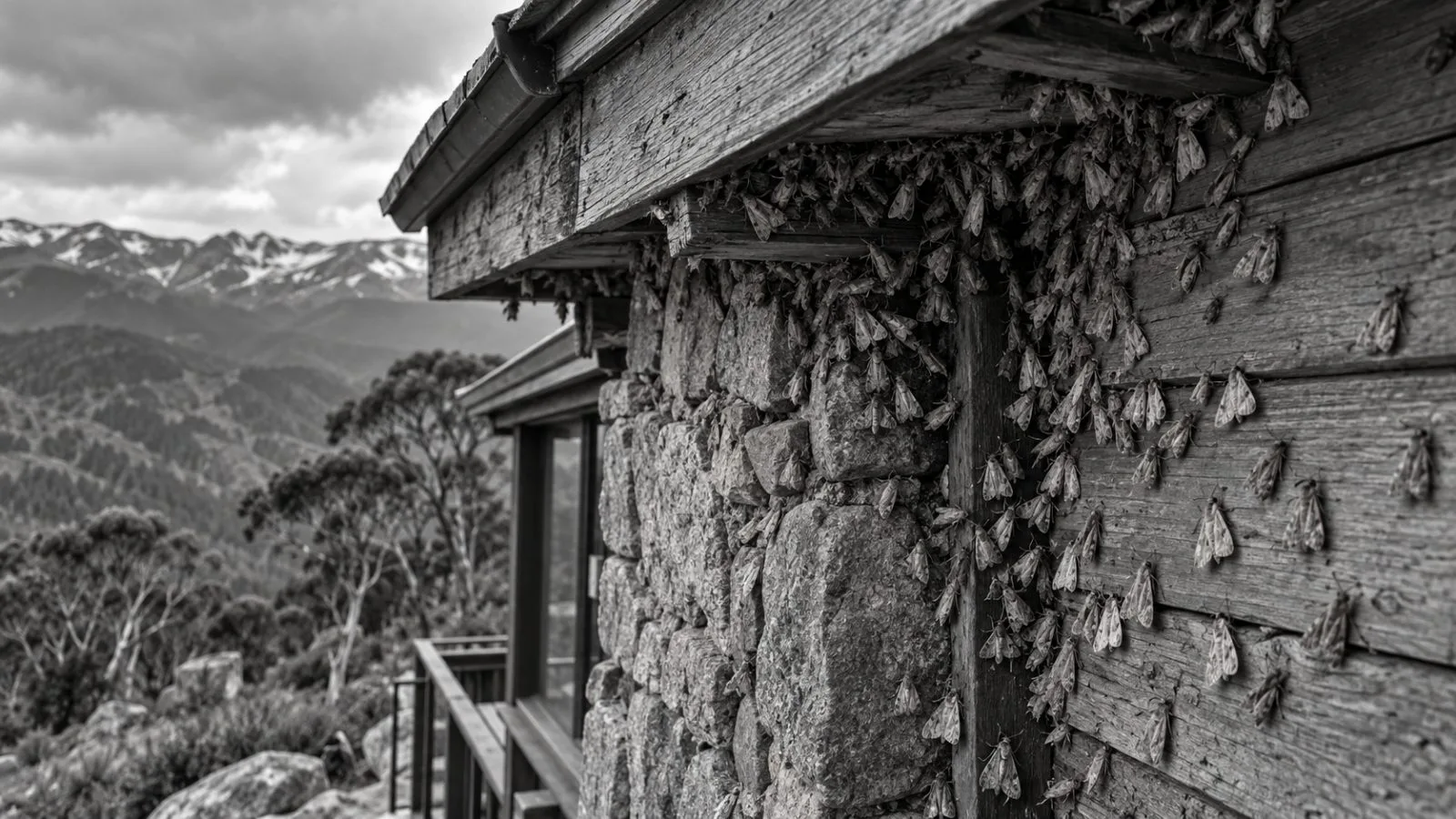
Alpine Resorts Victoria said large numbers had arrived at Victorian alpine resorts this season, but gave no count or historical comparison. The organization said continued monitoring would be needed to assess longer-term patterns.
SBS News reported Sept. 28 that one month of 2026 entries to Zoos Victoria’s Moth Tracker exceeded the program’s previous high year, 2024; the report gave no 2026 total. ABC News reported Sept. 6 that iNaturalist had logged more than 2,700 untagged moth sightings in the previous 12 months, up from just over 1,000 in the year before. The services record different kinds of submissions, and neither figure measures the total population.
Zoos Victoria recorded 1,956 Moth Tracker submissions during the September–December 2024 migration, including 1,089 verified as Bogong moths. For the 2025 spring-to-summer migration, it logged 1,428 submissions, of which 828 were confirmed as the species.
The moths spend summer in the Australian Alps after leaving inland breeding areas each spring, then return inland in autumn. Their journey can span up to 1,000 kilometers. A peer-reviewed study estimated that as many as 4 billion moths once reached the Alps each spring. It found numbers broadly stable until about 1980, followed by a gradual decline through 2016 and a sharp drop in 2017.
Researchers linked the 2017 crash to severe drought in the main breeding areas. They identified crop-related habitat change as a likely contributor to the longer decline, while the role of insecticides remained unclear. The moths help pollinate alpine plants, carry nutrients into the mountains and feed wildlife. Zoos Victoria reported that more than 95% of females in the mountain pygmy-possum population most affected by the shortage lost their offspring in spring 2018, when moths largely failed to arrive.
The International Union for Conservation of Nature lists the moth as Endangered. The Department of Climate Change, Energy, the Environment and Water recorded it as ineligible for listing under the Environment Protection and Biodiversity Conservation Act 1999 (EPBC Act) in its 2024–25 annual report; a government assessment described the population data as deficient. A separate DCCEEW consultation assessment noted limited signs of improvement at some monitored sites in 2022–23, but said evidence could not establish the population trend over the preceding decade with confidence.
Bogong Watch plans to ask the public to search for tagged moths after February 2027.