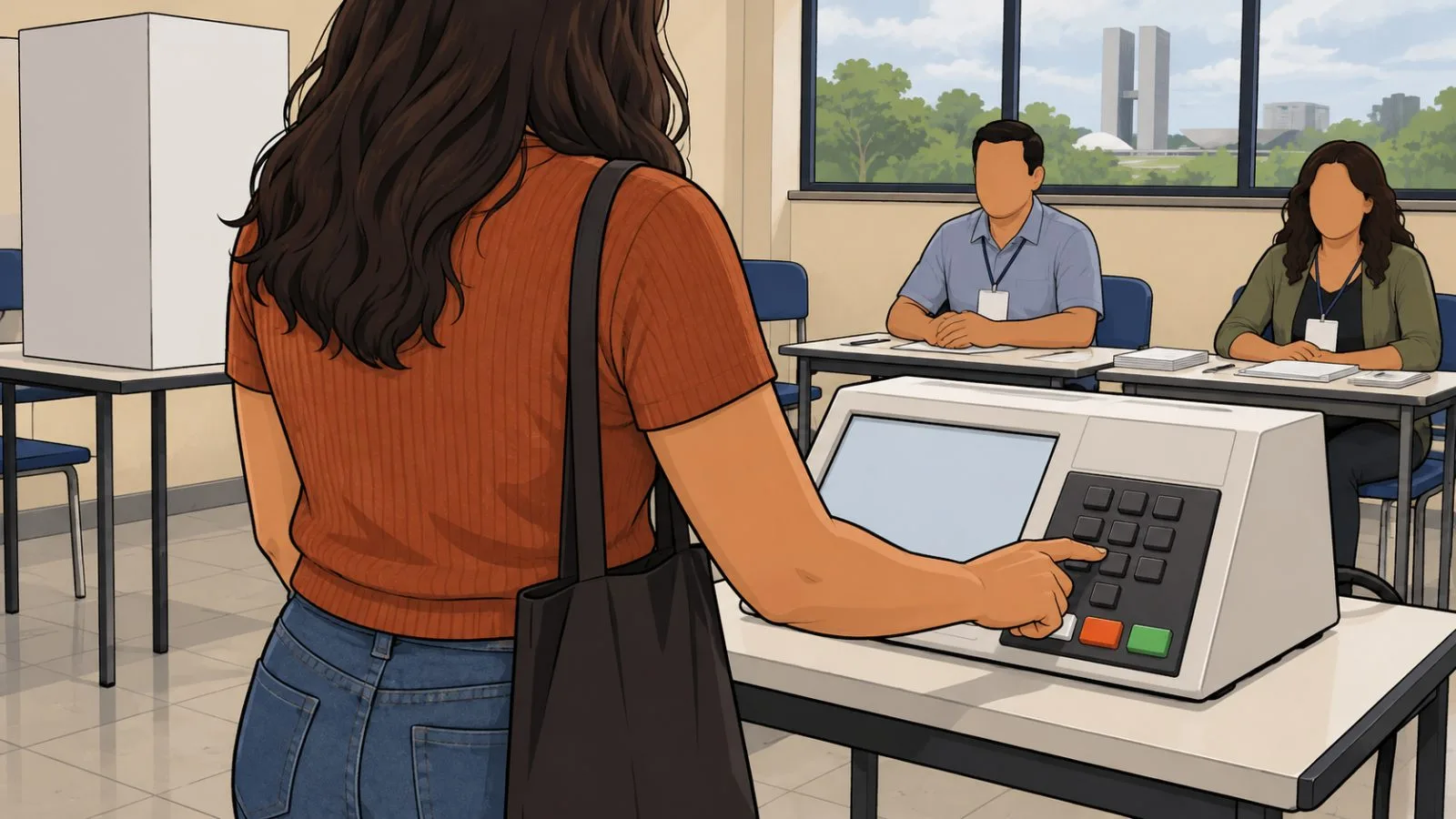
Brazil’s Oct. 25 presidential runoff will ask voters to choose between President Luiz Inacio Lula da Silva’s emphasis on social spending and Sen. Flavio Bolsonaro’s focus on fiscal restraint and tougher security policies.
Final data from Brazil’s Superior Electoral Court (TSE) showed Flavio received 56,104,503 votes, or 47.03% of valid ballots, on Oct. 4. Lula received 53,879,538 votes, or 45.16%. Flavio enters the runoff with a first-round lead.
Lula has presented social programs and public investment as ways to address income inequality, Anadolu Agency reported in an Oct. 22 explainer. The report cited Bolsa Familia’s cash transfers to low-income households and Minha Casa, Minha Vida’s housing support as examples of his social-policy platform. Lula argues that public programs can contribute to economic growth while narrowing income gaps.
Anadolu described Flavio’s approach as emphasizing fiscal restraint and more efficient government spending. It reported that his security proposals include classifying major gangs and militias as narcoterrorist groups, expanding prison capacity, and increasing the use of surveillance cameras and facial recognition. Lula has proposed a Ministry of Public Security to coordinate federal, state and municipal efforts, the report said.
The same Anadolu report cited polling estimates showing Flavio ahead of Lula: RealTime Big Data and PoderData reported 52% to 48%; AtlasIntel/Bloomberg reported 51.1% to 48.9%; and BTG/Nexus reported 50.3% to 49.7%. The reported margins of error ranged from one to two percentage points. Anadolu said turnout could affect the result in the final days.
The candidates also differ on foreign policy, Anadolu reported. Flavio favors closer alignment with U.S. President Donald Trump, while Lula has called for independent ties with Washington, Beijing and other powers.
Anadolu identified household debt, public safety, public services and government finances as pressures facing the next administration. The winner is due to begin a four-year term in January 2027, after the Oct. 25 vote.