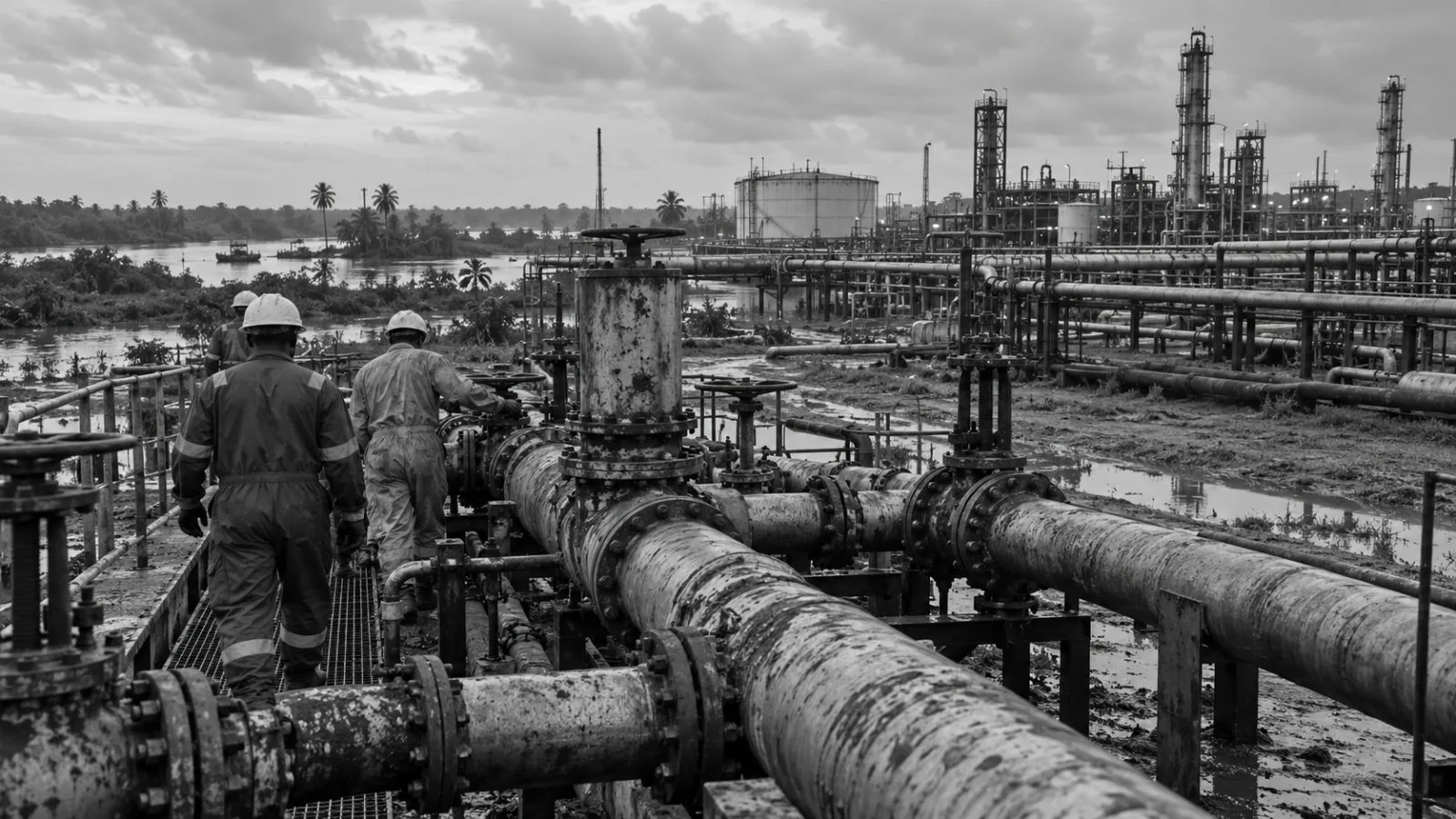
Brent crude was around $110 a barrel on Nov. 2, putting Nigeria’s oil-related revenue and household costs in focus as international price changes reach a country that exports crude and refined fuel.
Reuters reported that Brent rose 13.6% in October and West Texas Intermediate (WTI) gained 15.2%. Separately, Reuters linked Friday’s price jump to fears of escalation and a tanker attack, distinguishing that move from the full month’s gains.
BusinessDay reported Nov. 2 that Nigerians were paying more at petrol pumps.
The International Monetary Fund (IMF) says higher fuel, fertilizer and food costs may increase inflation and food-security risks in Nigeria, even as stronger oil receipts boost export earnings and government revenue.
Nigeria produces enough refined fuel for domestic needs and exports some, the IMF said, but international prices still influence local prices. In March 2026, petrol prices were 22.5% above their prewar level and diesel prices were 16% higher, according to the fund. It also said higher transport costs were expected to weigh on activity outside the oil sector.
The National Bureau of Statistics (NBS) reported food inflation of 19.59% year over year in September. That figure predates the latest rise in oil prices, so it does not capture any subsequent effect on food costs.
The opposing pressures echo EconoTimes’ earlier coverage of Brent above $110 and its mixed effects on Canada, where higher prices supported energy producers while adding to fuel and inflation pressure.