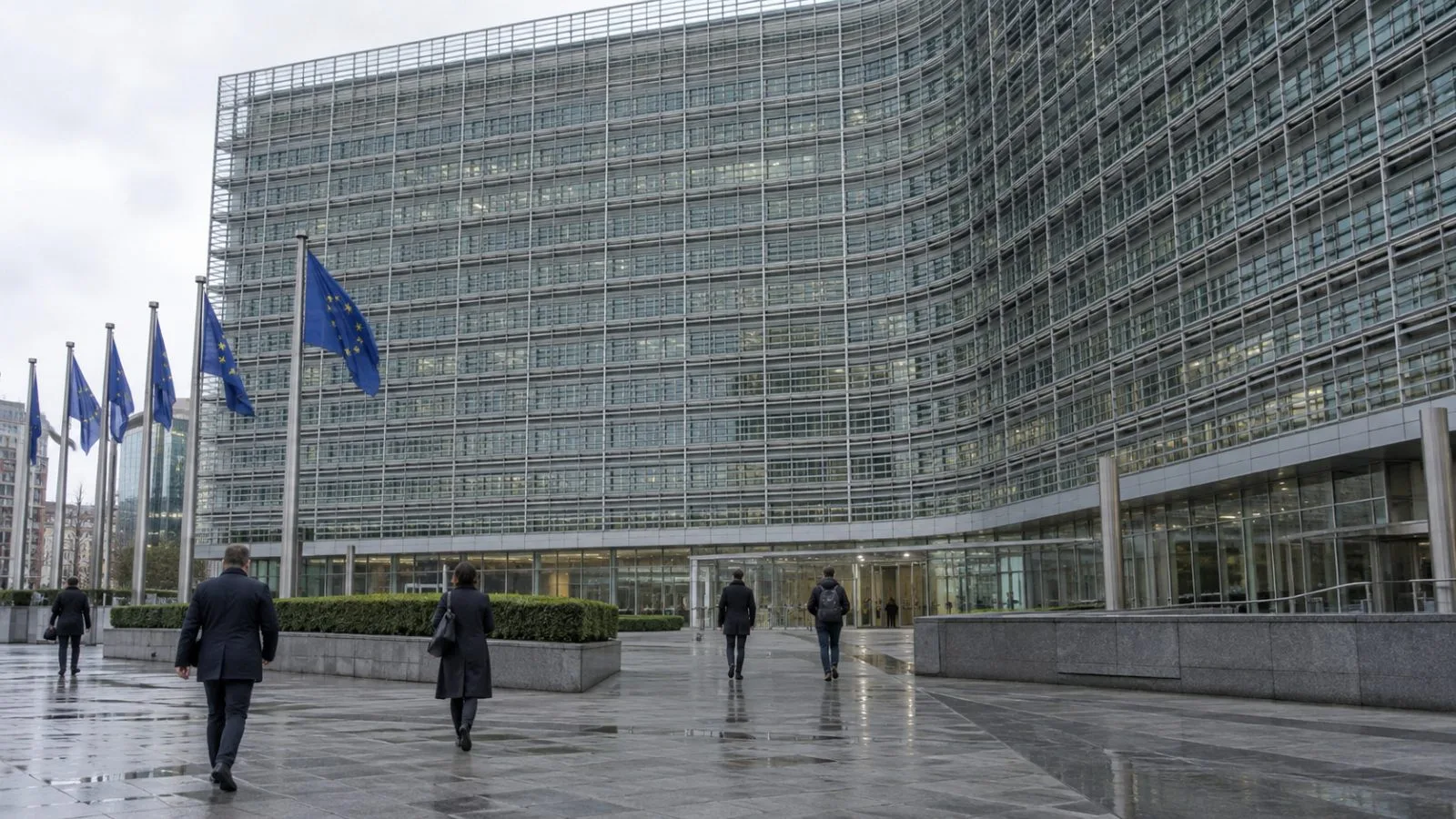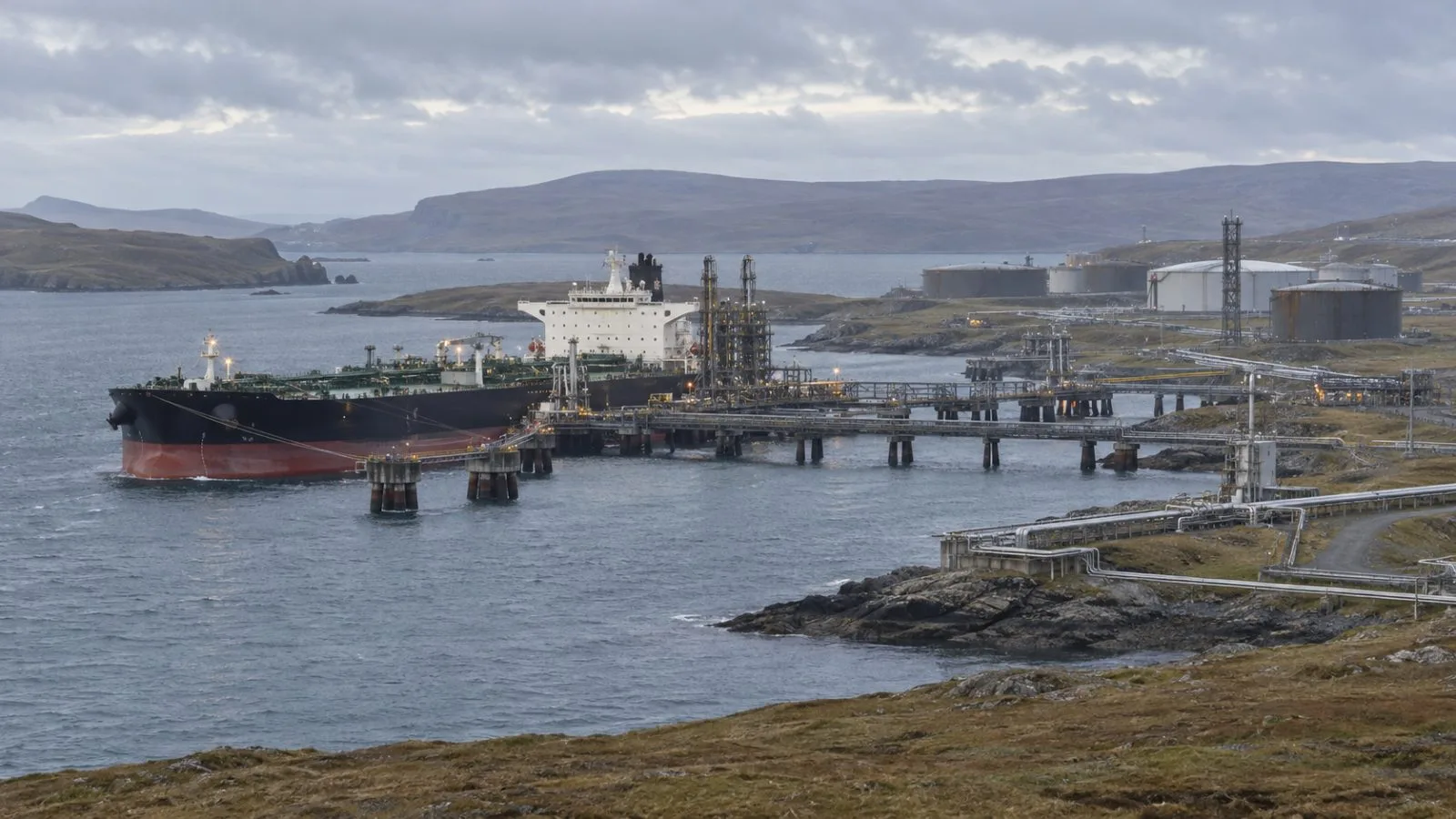
Brent crude settled 0.28% lower Oct. 19 after a deeper early slide, as a U.S. waiver of new Russia trade penalties coincided with persistent threats to oil shipments near the Gulf.
December Brent futures ended the London session at $109.55 a barrel, down 31 cents from Friday. The contract’s early move below Friday’s settlement narrowed by the close: Reuters reported a reading of $107.57 at 2:19 a.m. ET (06:19 UTC), down $2.29, or 2.08%, at that time. Reuters said Brent fell more than $3 at one point.
President Donald Trump’s Oct. 16 order waived three potential increases in duty rates under a 2026 law on Russia and Iran. One would raise rates by 500% on Russian goods. Another would raise rates by 100% on goods from the five largest importers of Russian-origin crude oil and natural gas if they knowingly made new purchases on or after Oct. 18. A separate 100% increase covers goods from the five largest facilitators of evasion of Russian oil sanctions. The measures are subject to conditions and exceptions.
The order also waived specified sanctions and restrictions. It left earlier executive-order measures tied to a specified Russia-related national emergency as they stood before the law. The waiver removes a potential duty cost from affected trade for now. Rabobank said imposing the measures later could disrupt commerce with major buyers of Russian energy.
Secretary of State Marco Rubio said Oct. 17 that Trump wanted 60 days to examine the economic effects of imposing the sanctions and tariffs. The order gives the waiver no end date. Changing it requires a further decision by Trump or the secretary of state, subject to the order’s consultation requirements.
Separately, the United Kingdom Maritime Trade Operations (UKMTO) logged two reported tanker attacks northeast of Al Jubayl, Saudi Arabia, on Oct. 16. One involved an unidentified projectile, and that vessel’s crew was evacuated. In the other, a tanker’s master reported a rocket-propelled grenade attack from a small boat. UKMTO said both crews were safe.
The International Energy Agency said oil flows through the Strait of Hormuz reached 10.9 million barrels a day in September, up 3.7 million from August. Its Oct. 14 report said renewed attacks threatened that recovery.
The U.S. Energy Information Administration said security risks had raised tanker and insurance costs, increasing the cost of crude delivered to refiners. Its October forecast used inputs finalized Oct. 1, before the attacks and waiver. The agency’s next outlook is scheduled for Nov. 10.