Brent crude climbed past $111 a barrel Tuesday as traders weighed Middle East supply risks, while ING said strained tanker capacity was raising the cost of moving oil.
At 7:20 a.m. ET (11:20 UTC), Brent traded at $111.20, up 1.5%, after reaching $111.75, Reuters reported.
ING Head of Commodities Strategy Warren Patterson and ING commodities strategist Ewa Manthey said the possibility of disrupted Middle East supplies was sustaining a risk premium even though oil had continued to move through the Persian Gulf. They identified expensive transport as a separate pressure on the cost of delivered crude.
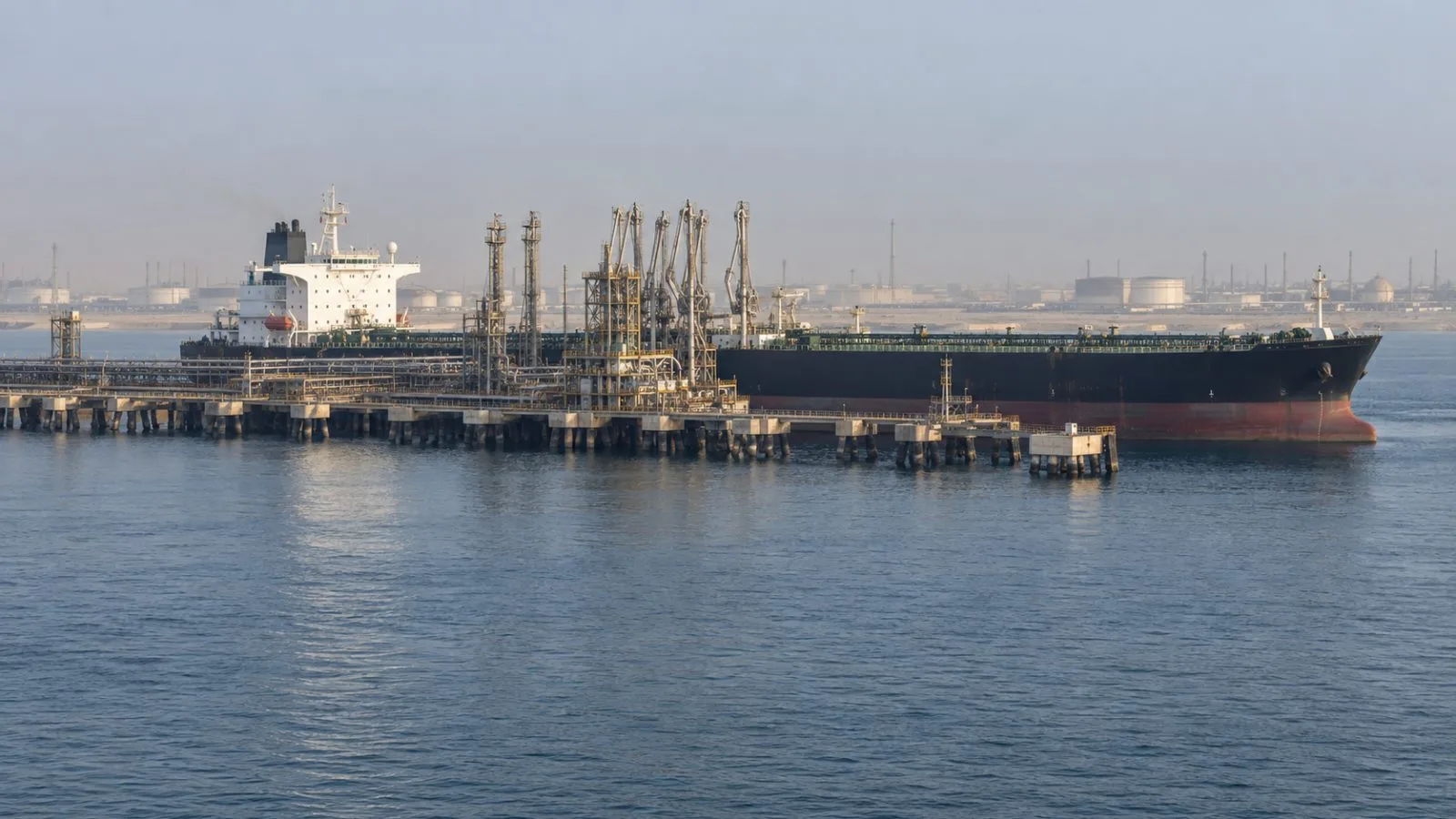
On the Ras Tanura, Saudi Arabia, to Rotterdam route, freight exceeded $35 for each barrel shipped in September, versus about $2 in 2025, ING said. Using Clarksons data, ING put average crude tanker earnings above $500,000 a day in early October, about 10 times the 2025 average. Vessel owners benefit from those rates, while oil buyers face higher shipping bills.
ING linked the squeeze to longer or less efficient journeys, a limited pool of compliant vessels, few tanker orders in 2022 and 2023, and older ships moving into Russia’s shadow fleet. It said the current rise in rates exceeded a surge in 2022 following sanctions on Russia. ING estimated that freight costs and refinery margins together could add more than $0.50 to the base price of a liter of diesel in Europe.
Kpler estimated that the Middle East Gulf exported at least 16.5 million barrels of crude and condensate daily from Sept. 1 to 28, excluding Iran. That matched its prewar average calculated without Iran. About 40% of the region’s crude avoided the Strait of Hormuz during September, compared with 17% before the war, on the same basis.
A separate Reuters report citing Kpler put a later seven-day average of Gulf crude flows at about 8.5 million barrels a day, down from more than 20 million the preceding week. That series covers a different period and measure from Kpler’s September export figures.
Reuters also reported that Yemen’s Houthis claimed attacks Monday on Saudi energy, airport and military targets. Saudi authorities had not confirmed the claims at the time of the report, and Reuters said it could not verify them.
China’s National Bureau of Statistics said industrial enterprises above its designated size threshold processed 57.48 million metric tons of crude in September, down 8.4% from a year earlier. ING separately estimated China’s apparent oil demand at 12.75 million barrels a day, a 15.2% annual decline.
The U.S. Energy Information Administration is scheduled to release its next weekly petroleum report Wednesday at 10:30 a.m. ET (14:30 UTC).