A fall in oil may lift stocks, precious metals and Bitcoin (BTC), Robin J Brooks wrote in a Substack post Monday, after finding their daily moves negatively correlated with Brent in his latest two-month sample.
His charts compare daily changes in front-month Brent futures with those in the S&P 500, gold, silver, platinum, palladium, Bitcoin and dollar currency pairs across five periods beginning in 2011. The latest window covers about two months after the Sept. 10 attack on the East-West pipeline, as Brent climbed back toward its March-April peak.
A negative correlation describes a pattern across the sample; it does not mean the assets moved opposite to oil every day. Brooks sees cheaper crude as a potential tailwind for risk assets. He included French government debt in that view and said falling oil could weigh on the dollar and Treasuries as demand for safer holdings fades.
Brooks found a weaker relationship between oil and U.S. Treasury yields during the latest escalation. He linked the shift to a sharp sell-off in French government debt, which he said drew investors toward U.S. Treasuries and the dollar. If oil declines, he expects Treasury yields to fall less than those in France or Italy as safe-haven demand recedes.
Currency movements also tracked oil in Brooks’ analysis. As crude rose, the dollar’s strongest gain among the currencies he examined was against the Swedish krona, followed by the Swiss franc and Australian dollar. He expects the dollar to lose ground against those currencies if oil falls, while it could strengthen against the Norwegian krone, which he described as the G10 currency most exposed to oil.
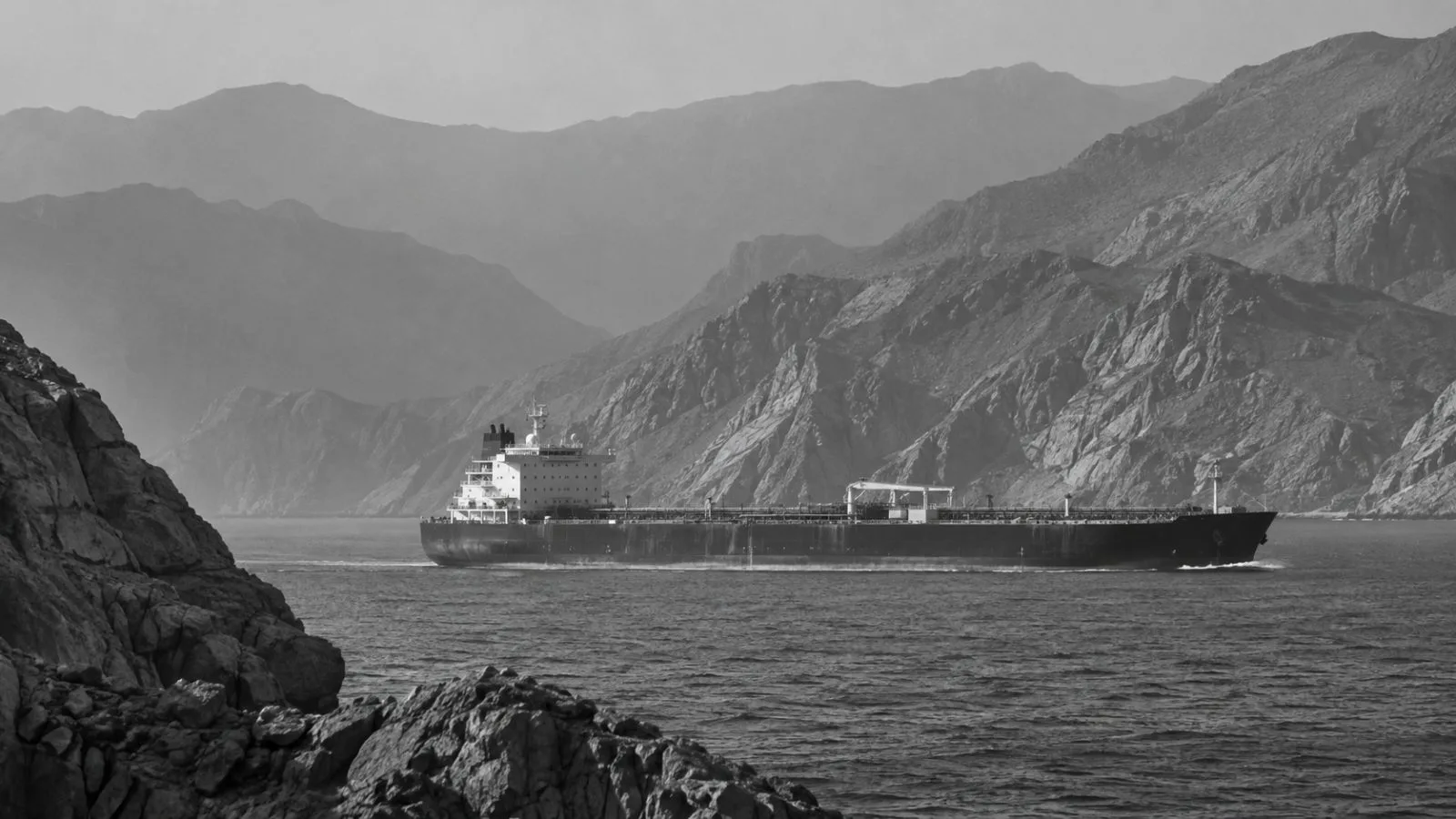
Brooks framed his outlook around four questions: whether the United States wants to end the war; whether shipping through the Strait of Hormuz can continue without a substantial U.S. naval presence; whether oil prices fall materially; and whether the recent correlations persist. He cited growing Republican criticism and a tweet by Vice President Vance linking the war to Republican losses in the midterms. Brooks also said the blockade was losing effectiveness as Iran looked toward the new Congress taking office at the start of the year. He pointed to Iran’s need for cash and regional oil exporters’ high revenues as factors in his view of Hormuz shipping, and cited June’s memorandum of understanding period, when oil prices fell sharply, as a precedent.