Robin J Brooks said precious metals could gain support if the Fed raises rates less than markets expect and oil falls amid higher Hormuz tanker traffic and the East-West pipeline's return to operation.
He laid out the view in a Sept. 26 post. Brooks said gold, silver and platinum had retreated from highs reached in the days after the U.S. Treasury's surprise Aug. 19 buyback announcement, but each retained a portion of its earlier advance. He interpreted that resilience as evidence of continued belief in what he called the “debasement trade.”
Brooks wrote that since the Fed's July 29 meeting, market pricing had added 75 basis points of rate increases through the end of 2027, while Brent crude had gained 30%. He traced part of the change to how investors read the July 29 meeting, which he said initially appeared dovish. The 10-year, 10-year forward Treasury yield rose sharply even as the two-year yield fell, a move he linked to concern that the Fed had made a policy mistake.
He argued inflation did not call for the extent of rate increases implied by market pricing. Brooks wrote that markets assigned a 70% chance to a quarter-point increase at the Fed's Oct. 28 meeting, a move he doubted. He said a hike then would likely bring the current tightening cycle to an end. Brooks also argued that higher rates could not remedy what he called reckless fiscal policy and might worsen the situation.
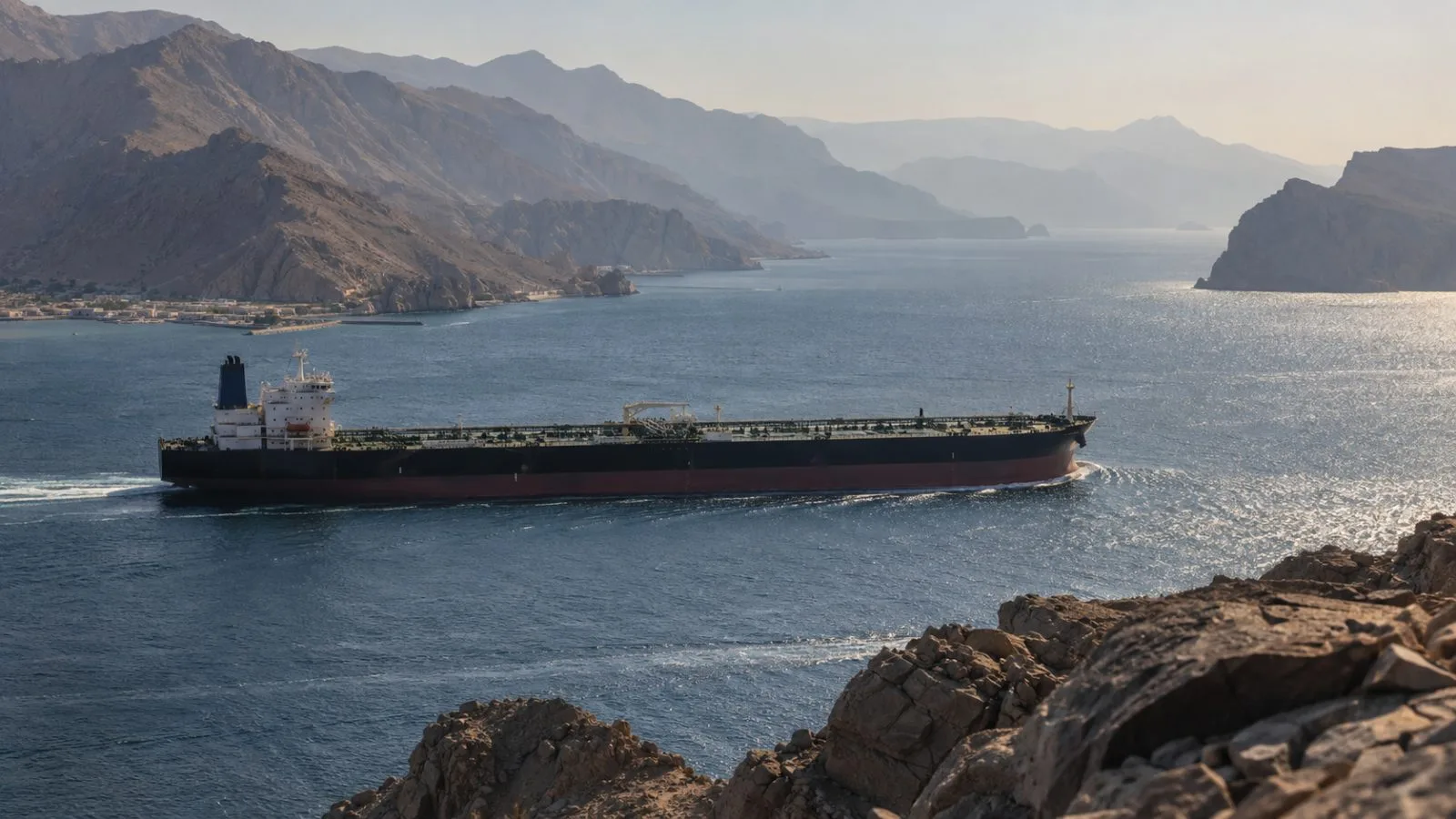
Oil was his other potential catalyst for precious metals. Brooks said tanker traffic through the Strait of Hormuz had risen, which he interpreted as evidence Iran had lost control of the waterway. He also pointed to the East-West pipeline's return to operation. He connected his forecast for oil below $100 a barrel to the higher traffic and pipeline restart, and said prices would fall as the war eventually ended.