Bybit CEO Ben Zhou said operating income, including fees, probably covered company funds used to reimburse customers after a hack, while the cryptocurrency exchange’s profit has weakened this year.
In an interview with Wu Blockchain, Zhou estimated that Bybit had earned back its outlay by around the end of 2025. He was describing income that replaced money spent from the company’s treasury, not a recovery of the stolen assets.
The Federal Bureau of Investigation attributed the theft of about $1.5 billion from Bybit on or about Feb. 21, 2025, to North Korea. Zhou said Bybit initially used its own funds to restore customer balances, leaving the exchange to bear the immediate cost.
Zhou said profit so far in 2026 is below its year-earlier level. Activity in conventional financial assets remains too small to make up for pressure on Bybit’s cryptocurrency business, he said.
Bybit has been broadening its products. On Oct. 12, it announced that eligible users could trade more than 1,000 U.S. stocks and exchange-traded funds. The company has also outlined a wider financial-services strategy covering gold, foreign exchange and payments.
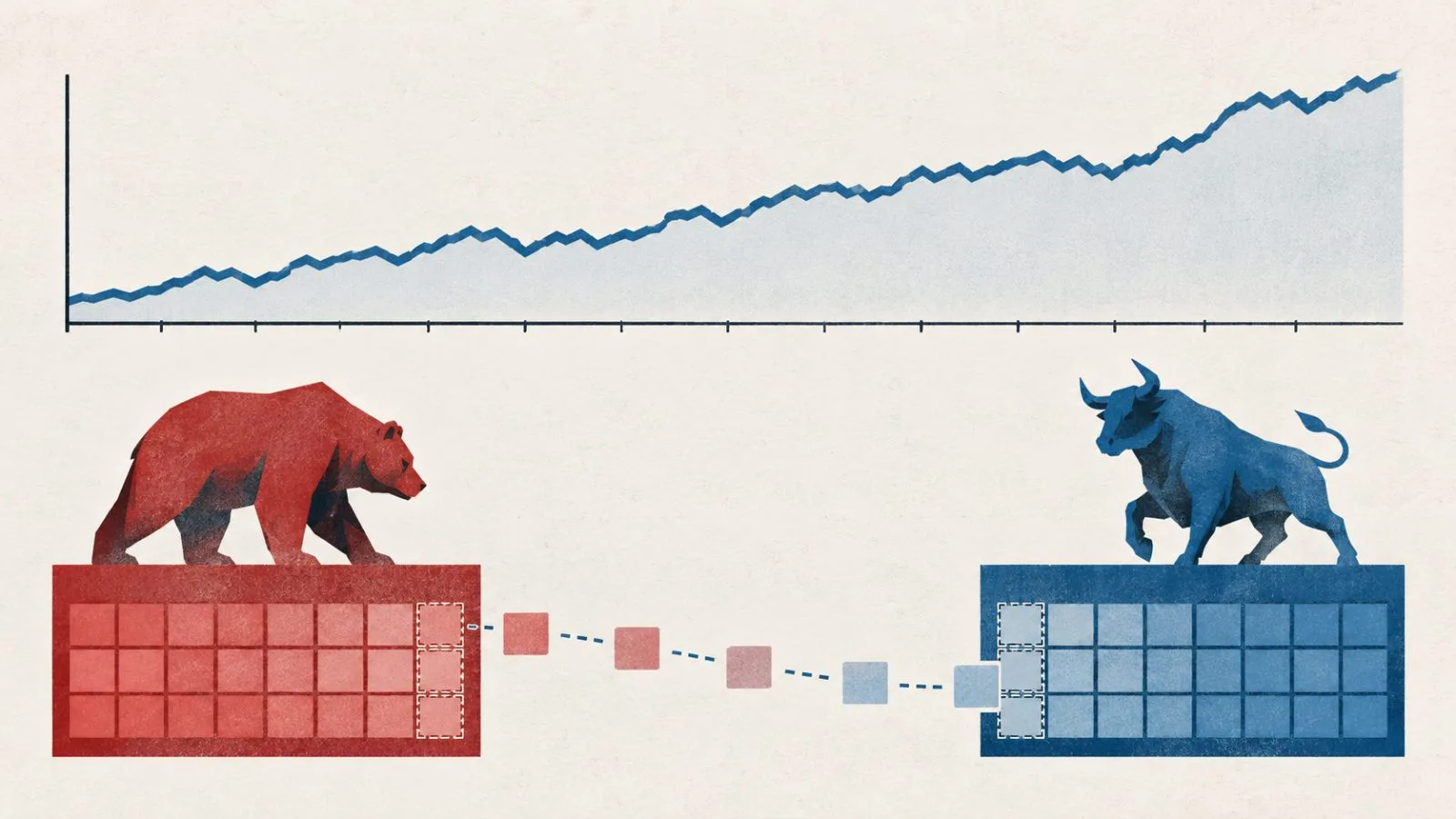
Zhou expects further consolidation among exchanges seeking a global customer base, describing it as a recurring pattern in bear markets. He said regional platforms can still grow through local licenses and operations. Over the next year, Bybit intends to strengthen its presence in individual markets, he said.
For any entry into the United States, Zhou favors a local partner that already serves retail customers. He gave no date for a U.S. move. Bybit’s next stated product target is mStocks, a tokenized stock offering it plans to introduce in November.