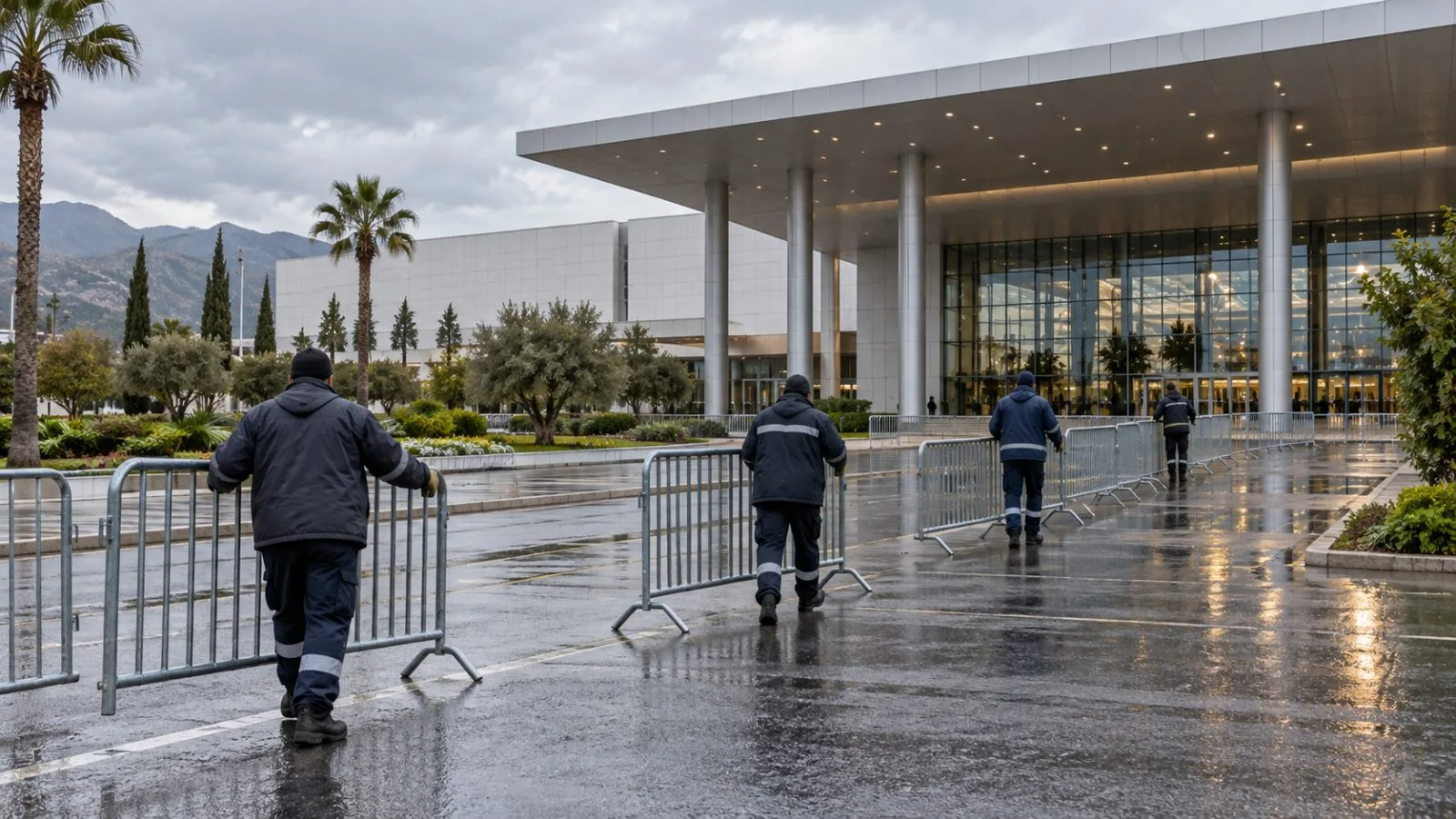
COP31 began in Antalya, Türkiye, on Nov. 9 as the World Bank estimated an annual gap of $131.4 billion to $140.8 billion for safe-water and sanitation targets across 113 countries.
The estimate, in 2017 constant dollars, measures the additional spending needed to meet Sustainable Development Goal targets for universal access to safe water and sanitation. The World Bank also reports that water-sector budgets are executed at an annual rate of about 72%, pointing to inefficiencies alongside the financing shortfall.
Developing countries spend about $164.6 billion a year on water, according to the bank. Public sources provide roughly 91% of that spending, while private sources contribute less than 2%; those figures describe current outlays and do not identify who would pay to close the estimated gap. The bank recommends directing investments and subsidies toward poorer and rural communities.
The United Nations Framework Convention on Climate Change (UNFCCC) says most countries include adaptation information in their national climate plans, with freshwater resources among the priorities. The synthesis does not specify how much funding those plans allocate to water.
In an opinion article published by The National on Nov. 9, former Bhutan Prime Minister Jigmi Y Thinley argued for more investment in climate adaptation and better coordination across the Rio Conventions, which address climate change, biodiversity and desertification. “We cannot afford to treat adaptation as secondary to mitigation, or water as secondary to adaptation,” he wrote.
The Madrid High-Level Leaders Compact on Water Security and Resilience links water planning with decisions on climate and development. It calls for stronger water services and public accountability, and identifies disconnected policies, weak coordination and financing problems as barriers to progress.
Sanitation and Water for All has scheduled COP31 sessions on water investment for Nov. 10, the Madrid Compact for Nov. 11, and water and sanitation indicators for Nov. 12. The UN Water Conference, co-hosted by Senegal and the United Arab Emirates, is scheduled for Dec. 8-10 in Abu Dhabi.