WASHINGTON, Oct. 15 — The U.S. Consumer Product Safety Commission said it would not require flame-mitigation devices on containers for certain fuel additives, projecting up to $10.7 billion in business savings over 30 years.
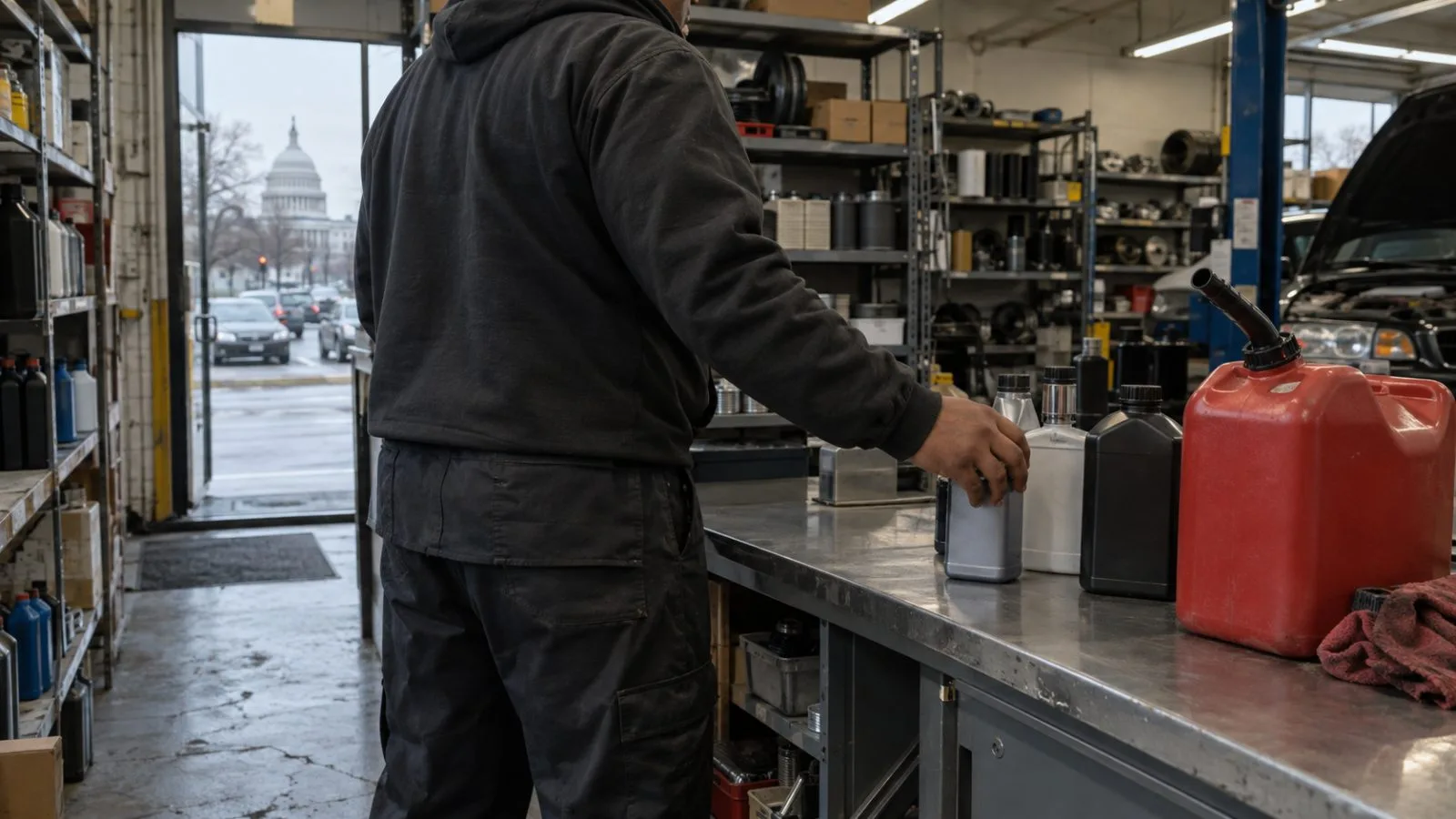
The agency described the covered products as engine cleaners, performance and maintenance additives, fuel stabilizers and formulations marketed to address weather-related effects or extend engine life. CPSC said the announcement leaves device requirements in place for gasoline cans and other portable fuel containers still covered by the law.
The 2020 law defines covered portable fuel containers as consumer products holding no more than five gallons and intended for specified flammable fuels with flash points below 140 degrees Fahrenheit. The definition also considers whether the manufacturer knows, or reasonably should know, that consumers use the containers for transporting, storing and dispensing those fuels.
The dispute arose in Auto-Mark, Inc. v. CPSC. On Sept. 18, 2025, the U.S. District Court for the District of Minnesota ruled that CPSC exceeded its statutory authority by treating the additives challenged in the case as fuel. The court granted Auto-Mark’s motion for summary judgment, denied the agency’s motion and dismissed the case with prejudice. CPSC and Auto-Mark later filed a joint stipulation to dismiss an appeal in December 2025.
CPSC made flame-mitigation standards mandatory for covered containers in 2023, including some sold prefilled. The commission put potential annual regulatory-cost reductions from the additive action at $545.7 million. It said smaller manufacturers could avoid significant packaging expenses and consumers could avoid price increases tied to those costs; both figures are agency estimates.
CPSC also said it had identified no reported flame-jetting incidents involving containers for the additives covered by the action. The announcement did not give an effective date.