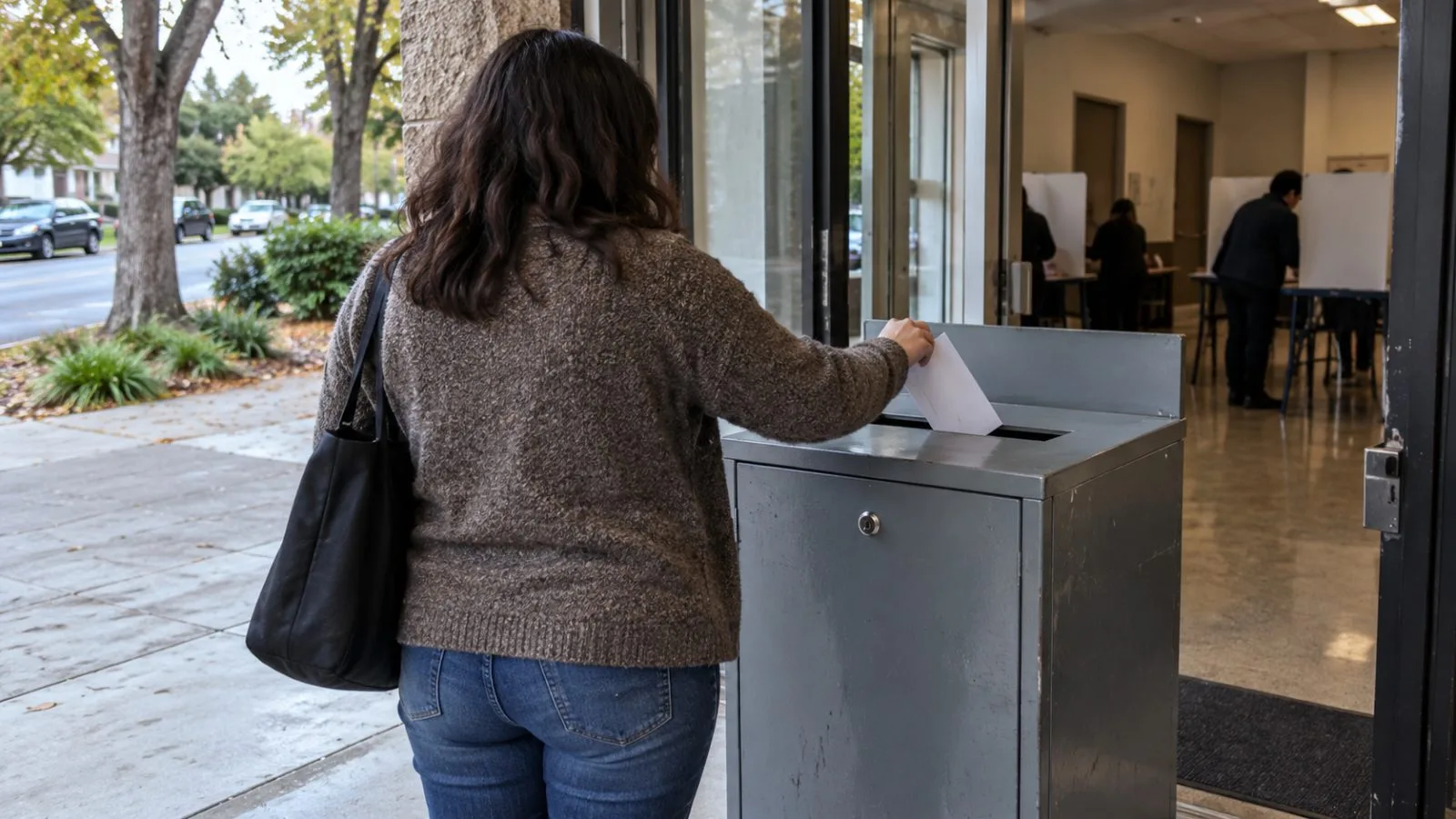
California voters will decide Nov. 3 whether to impose a one-time 5% tax on the net worth of billionaires who lived in the state on Jan. 1, 2026, with most of the proceeds earmarked for health care.
The official state voter guide says eligible taxpayers would have more than $1 billion in assets. It allocates 90% of the tax proceeds to health care and the other 10% to education-related programs, food assistance and tax administration. The Legislative Analyst’s Office (LAO) estimates the measure could raise tens of billions of dollars over several years. It also says billionaire responses could reduce state income-tax revenue from billionaires by less than $1 billion annually.
Those estimates put a one-time source of funding alongside the possibility of continuing losses in tax receipts from billionaires. Earlier EconoTimes coverage of the competing state-revenue estimates examined how analysts assess the proposal’s proceeds and potential revenue effects.
The ballot contest also has a substantial campaign-finance component. The Guardian reported, citing campaign filings, that committees opposing Proposition 40 and backing Propositions 41 and 42 had received more than $379.5 million combined.
The Guardian reported that Dave Regan, president of SEIU-United Healthcare Workers West, began organizing for the measure after the One Big Beautiful Bill Act was signed in July 2025. The outlet said his team brought policy experts and advisers into the effort. The Guardian reported that the Congressional Budget Office estimated the law’s health care provisions would reduce federal spending by about $1 trillion over a decade. Regan said the proposal was intended to help hospitals and union health care workers; he told the outlet, “what’s crazy is doing nothing.”
The state voter guide says Proposition 40 could be prevented from taking effect if Proposition 41 or Proposition 42 receives more yes votes, even if Proposition 40 wins a majority. Voters will decide the measures Tuesday, Nov. 3.