Cambodia’s defense ministry said 7,873 residents from the Boeung Trakuon border area still could not return home on Nov. 3, underscoring the civilian toll of its land dispute with Thailand.
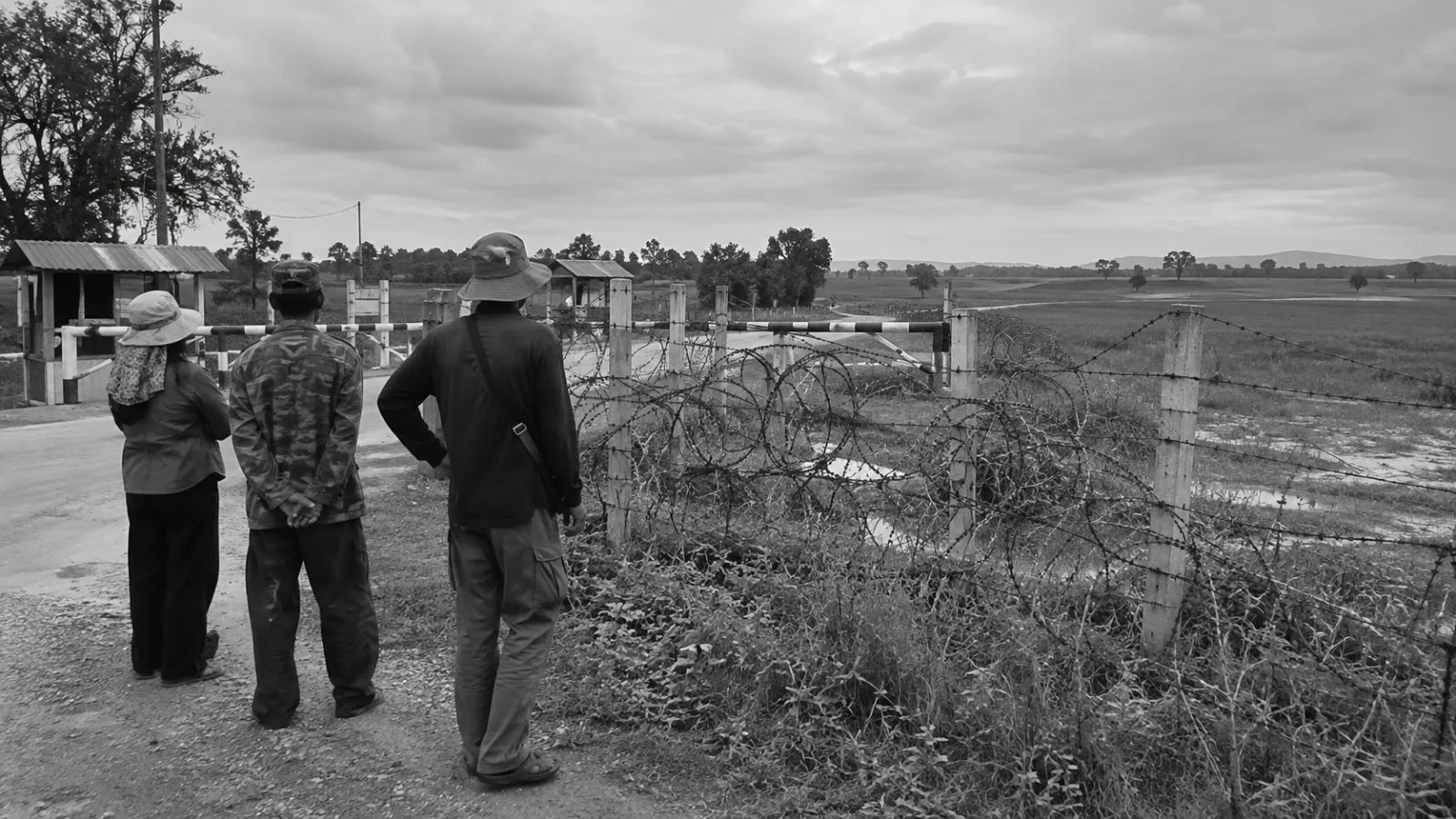
The Ministry of National Defence said the total covers 1,869 families, including 1,847 children. It said the ASEAN Observer Team in Cambodia visited the checkpoint in Banteay Meanchey province that day to assess conditions along the border.
In its statement, the ministry accused Thai troops of occupying Cambodian land, installing barbed wire, digging trenches, building bunkers and damaging civilian homes and other property. Cambodia said the military presence was preventing residents from returning.
In a Jan. 12, 2026, statement addressing earlier Cambodian allegations concerning several border areas, Thailand’s Foreign Ministry rejected the accusation of illegal occupation. It said troops were maintaining positions permitted under the Dec. 27, 2025, ceasefire and that legal and technical boundary questions belonged before the Joint Boundary Commission. The January statement was not a response to Cambodia’s Nov. 3 account.
Cambodia reported the same count of residents unable to return during an Aug. 23 visit by the ASEAN observer team. At the time, its defense ministry said Thai forces had placed 44 shipping containers at 14 locations near the checkpoint.
Cambodia said it remained committed to the ceasefire and an Oct. 26, 2025, peace declaration. Thailand’s January statement also affirmed its commitment to the ceasefire and said it intended to resume work through the Joint Boundary Commission.