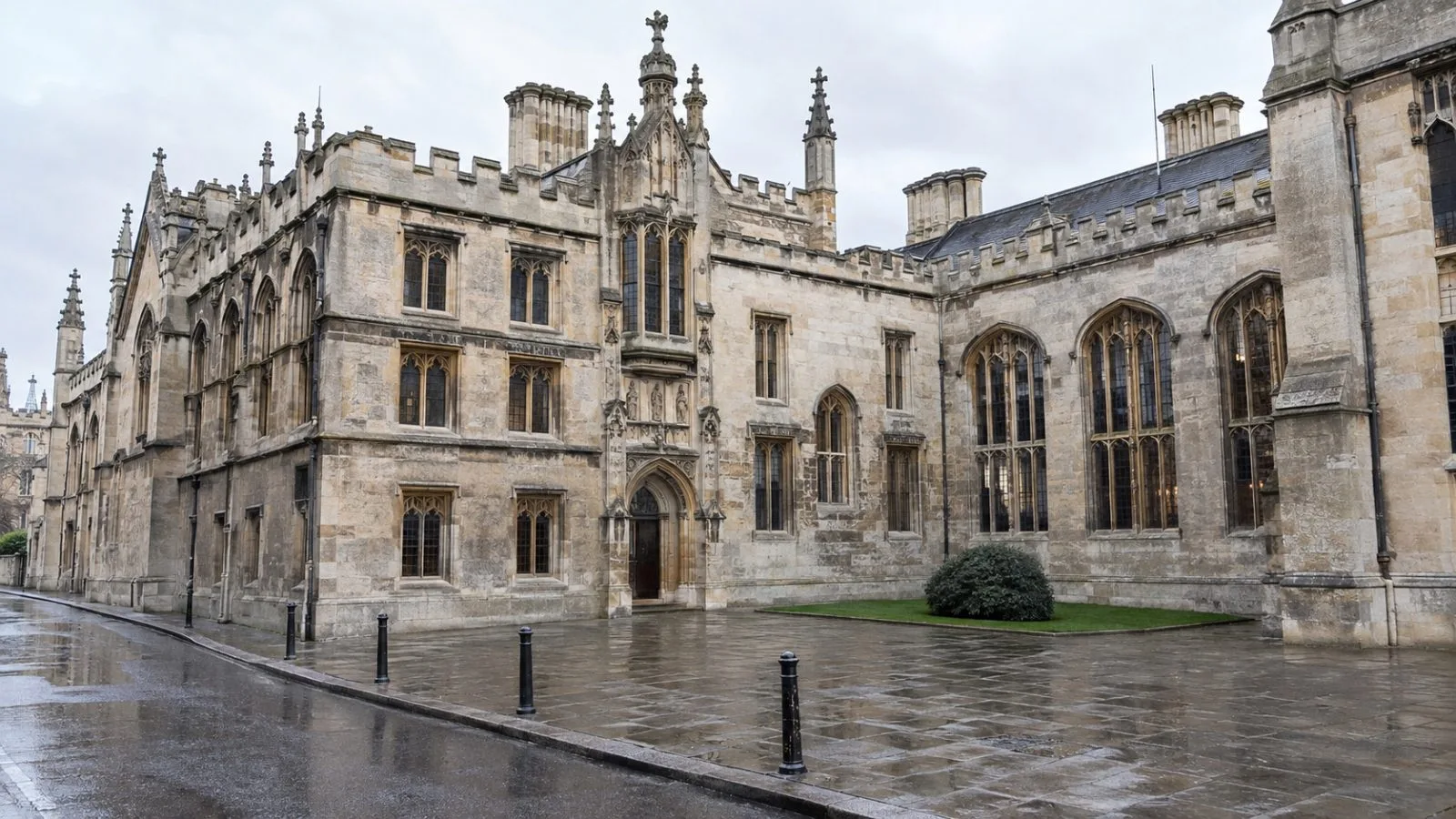
Cambridge appointed barrister Jason Beer KC to chair Part Two of its independent review, which will assess how university systems operated in Professor Jason Arday’s case, including misconduct allegations and academic support. The university published the appointment on Nov. 4.
The inquiry covers Arday’s recruitment and appointment as professor of sociology of education, as well as Cambridge’s broader process for selecting professors through its Board of Electors. It will examine how the university supported Arday through induction and mentoring and how it handled research and other misconduct allegations in his case and more generally. The remit also includes support for academics facing significant public and media scrutiny and the university’s arrangements concerning race equality, disability, neurodiversity and reasonable adjustments.
The terms assign Beer responsibility for choosing the inquiry’s approach and questions and determining its findings, conclusions and recommendations. A four-member independent panel will support the work; Cambridge officers cannot direct Beer or the panel. The members are Professors Rachael Gooberman-Hill, Rachel Brooks and Bertha Ochieng, and Ms Margaret Ayers.
Beer is counsel to the Post Office Horizon IT Inquiry. In Cambridge’s announcement, he said he would work “with an open mind, without preconceptions” and base his conclusions on the evidence.
Cambridge established a two-part review after Arday’s death. Part One, led by Nazir Afzal OBE, examines the support and protections available to him before his death. Cambridge previously said the reviews would leave matters covered by the inquest process outside their scope.
Arday was 37 when Cambridge appointed him to a professorship in 2023. The university’s Faculty of Education said he became the youngest Black person ever appointed to a professorship at Cambridge. Cambridge later said new information about Arday’s academic qualifications and honorary appointments prompted it to open an investigation. The review terms list Aug. 5, 2026, as his resignation date and Aug. 14 as his date of death.
An earlier Cambridge framework expected Part Two to report within six months after the panel was formed. The Nov. 4 appointment announcement did not give a specific report date.