Payload reported Canada is shifting its lunar rover target to a two-ton design that could be shipped three to four years sooner, while NASA’s Moon Base plan calls for large rovers.
Payload reported that a July 2025 award of C$14.6 million (US$10.3 million) funded a Phase 0 study for a lunar utility rover supporting Artemis. Canadensys, MDA Space and Mission Control received the funding, and the outlet said the study is nearly complete.
The Canadian Space Agency (CSA) asked industry to create a fully robotic rover, Payload said. The requested vehicle would be comparable in size to two pickup trucks parked side by side, but would have to fit on a 1.5-by-1-meter pallet, according to the outlet.
The agency is pausing its four-ton rover designs associated with a 2034 schedule, at least for now, and asked firms to aim for a two-ton model, Payload reported. The lighter vehicle could be shipped three to four years sooner, the outlet said.
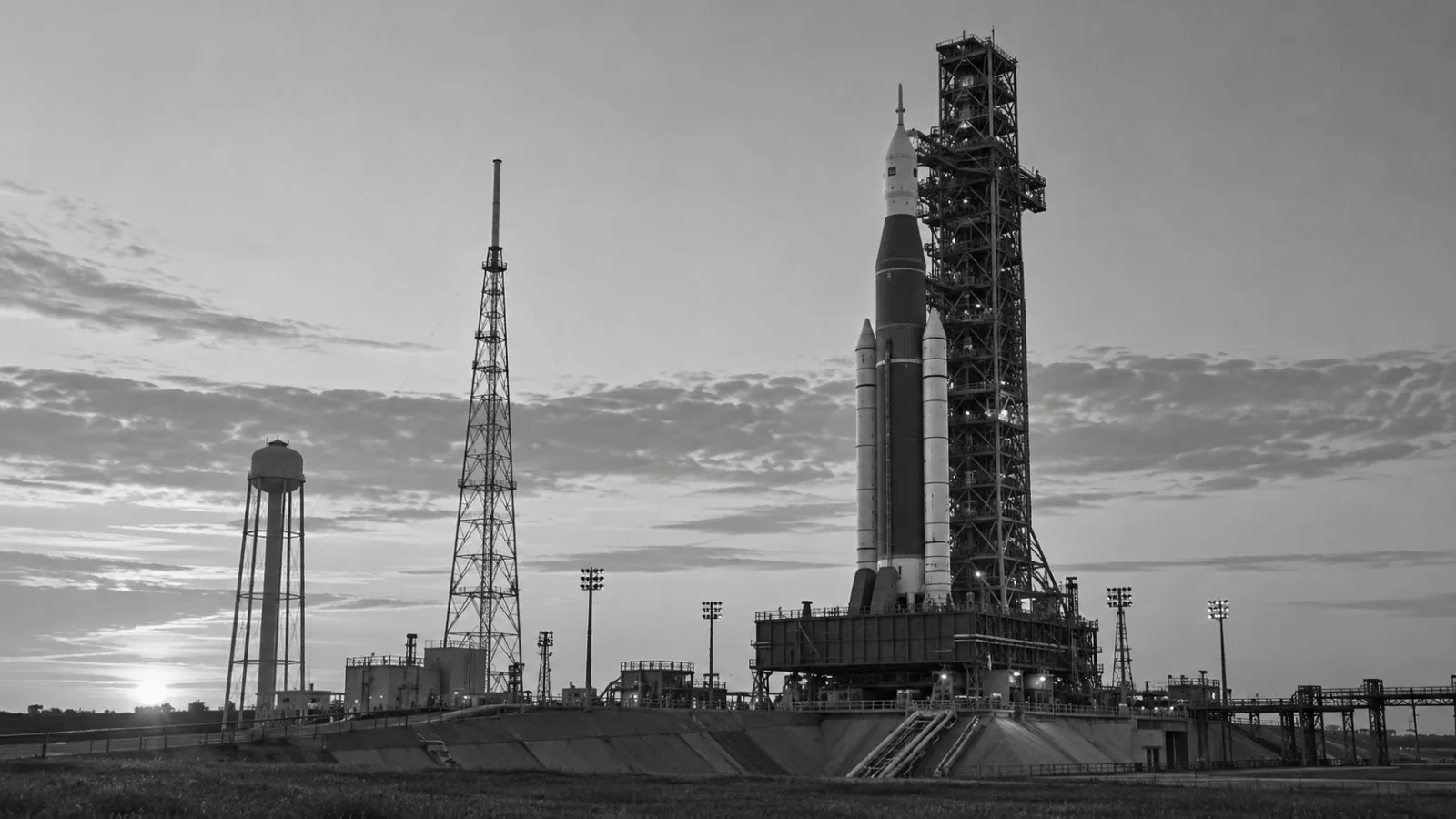
Payload tied the revised target to NASA’s Moon Base plans, which it said were unveiled this year and call for a transportation network with large rovers. The outlet also reported that the CSA is expected to increase funding for its rover projects.
Ewan Reid, Mission Control’s CEO and founder, told Payload that a rover on the original 2034 schedule might be “obsolete” by the time the Moon Base plans require it. MDA Space is also competing in the rover procurement and makes Canadarm3, which was originally intended for Gateway, the outlet reported.
Payload said the companies see potential uses for the rover technology in other lunar programs, even if their design is not selected. Christian Sallaberger, president and CEO of Canadensys, told the outlet that his company is involved in rover programs for the U.S. and the European Space Agency (ESA). Payload also reported that Canadensys has won dozens of CSA lunar contracts in about 15 years.
A request for proposals was expected within days of Payload’s Nov. 13 report. The outlet said the process would leave two companies to continue development in 2027, alongside procurement of science instruments.