Canada and the European Union launched talks on a partnership that would make Canada the bloc’s first associate member, with discussions due to conclude by June, Canada’s prime minister said.
The proposed arrangement would bring Canada closer to the EU without full membership. Its powers, obligations and institutional structure remain to be negotiated.
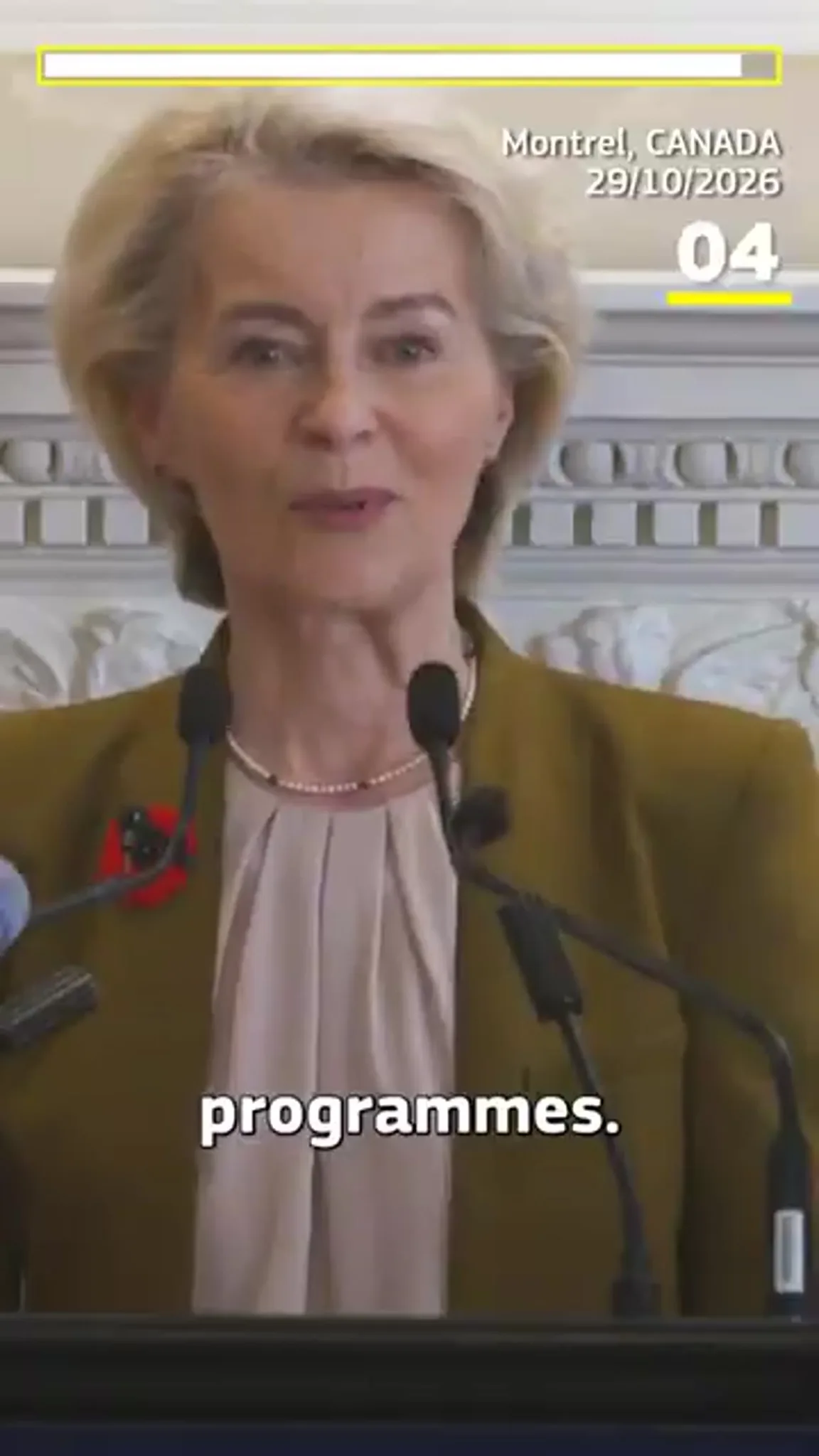
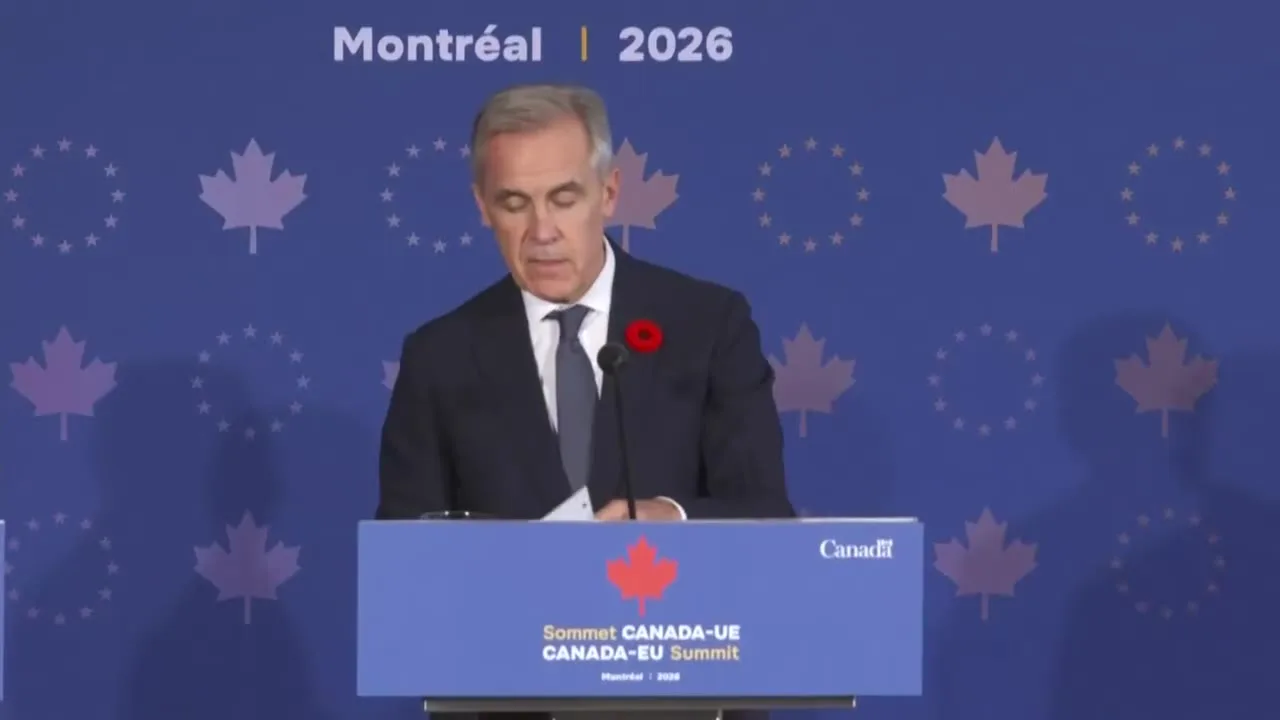
The leaders outlined the initiative in Montreal in the Reuters recording “LIVE: Press conference following EU-Canada summit in Montreal,” published Oct. 30.
The prime minister announced an Alliance for the Future focused on artificial intelligence, energy, critical minerals and quantum technology. Alongside that initiative, Canada would seek the closest possible relationship with the EU short of joining.
“In the coming months, we will determine the full substance, scale, and scope of this new form of membership,” he said. Canada’s cabinet and European commissioners would meet in Canada in March, followed by discussions at the European Council in June.
Canada would begin negotiations to expand participation in Erasmus Plus, Europe’s student and skills exchange programme. The prime minister said a digital trade agreement and easier payments would help Canadian businesses sell to European customers.
Negotiators also concluded a competition agreement covering sectors from consumer goods to technology. Canada and the EU would explore opening their markets to each other’s banks, insurers and financial technology companies.
The prime minister also announced support for increased Canadian water bomber production, including a second production line in Wheatland County, Alberta. Canada would launch negotiations to join Galileo, Europe’s satellite positioning and navigation system.
Further cooperation would cover semiconductors and initial work on transatlantic and potentially transarctic data cables. He linked those projects to greater choice and less dependence on others.
European Council President Antonio Costa said the closer association would reduce trade barriers, encourage investment and expand cooperation on critical raw materials, research and responses to health crises and natural disasters.
A youth mobility partnership would make studying and working across the Atlantic easier. Costa also called for closer political ties, describing the intended relationship as “everything short of a full EU membership.”
European Commission President Ursula von der Leyen said EU treaties prevented a country outside Europe from joining. The proposed association would instead rest on closer policy coordination, wider participation in EU programmes and stronger links between institutions.
She proposed cooperation from the earliest stages of policymaking through implementation, covering climate, energy, artificial intelligence and security. Institutional links could extend to parliaments and courts.
Von der Leyen said an agreement with the European Investment Bank on critical raw materials investment was being finalised. Europe would open its supercomputing infrastructure to Canada and explore Canadian participation in satellite programmes.
The two sides also agreed on a framework to protect democratic processes against interference. Von der Leyen said Canada would participate in the EU’s 90 billion euro Ukraine support loan, without specifying Canada’s contribution or its terms.