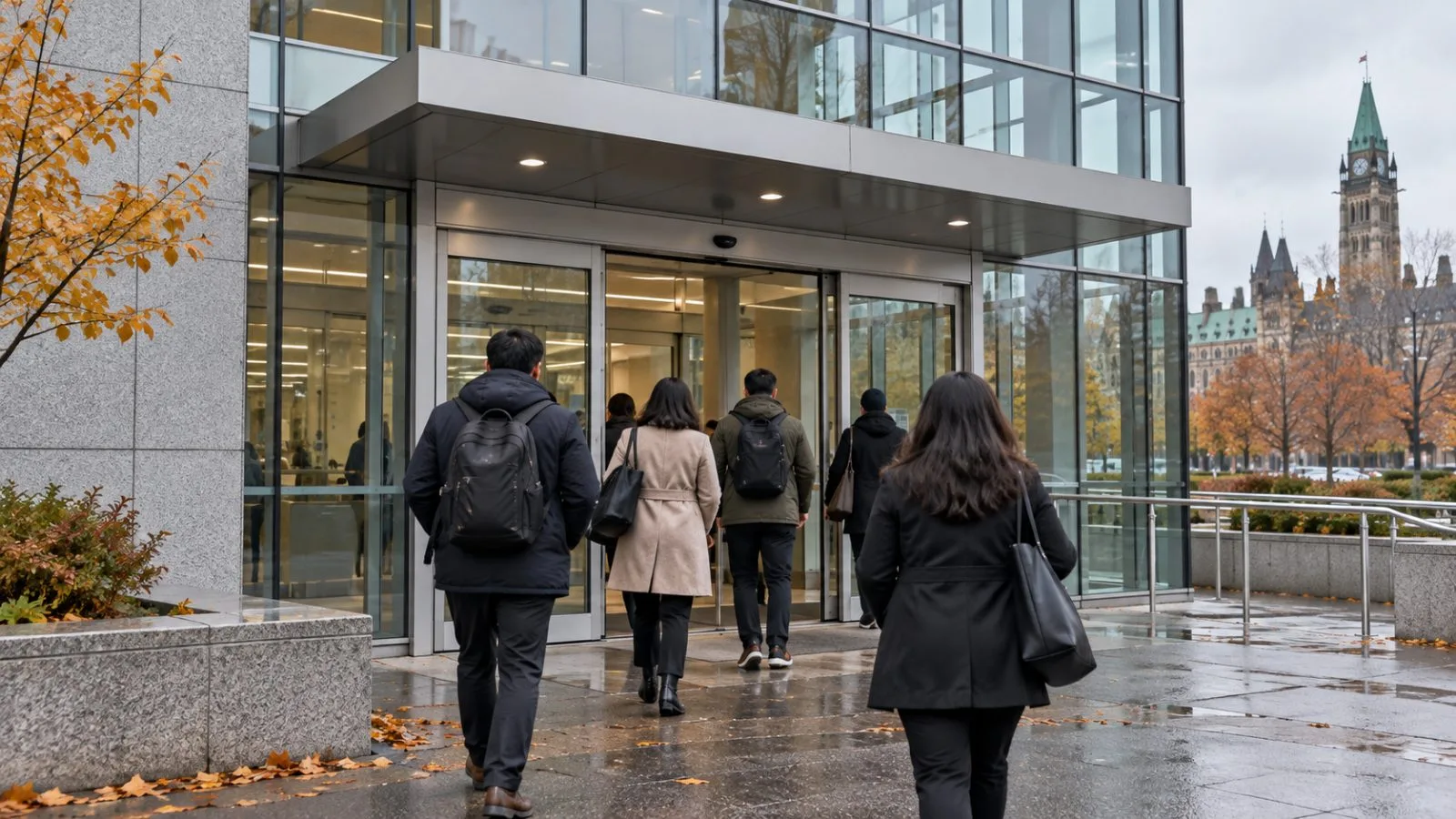
The Canadian Radio-television and Telecommunications Commission (CRTC) has made network-resilience projects eligible for future Broadband Fund calls. It is separately reviewing applications from its fourth call.
Commissioner Joanne Levy, whose role covers Manitoba and Saskatchewan, highlighted the change in prepared remarks dated Nov. 3 for a rural broadband conference in Saskatoon. Her prepared text described broadband as supporting skills development, remote employment and online commerce.
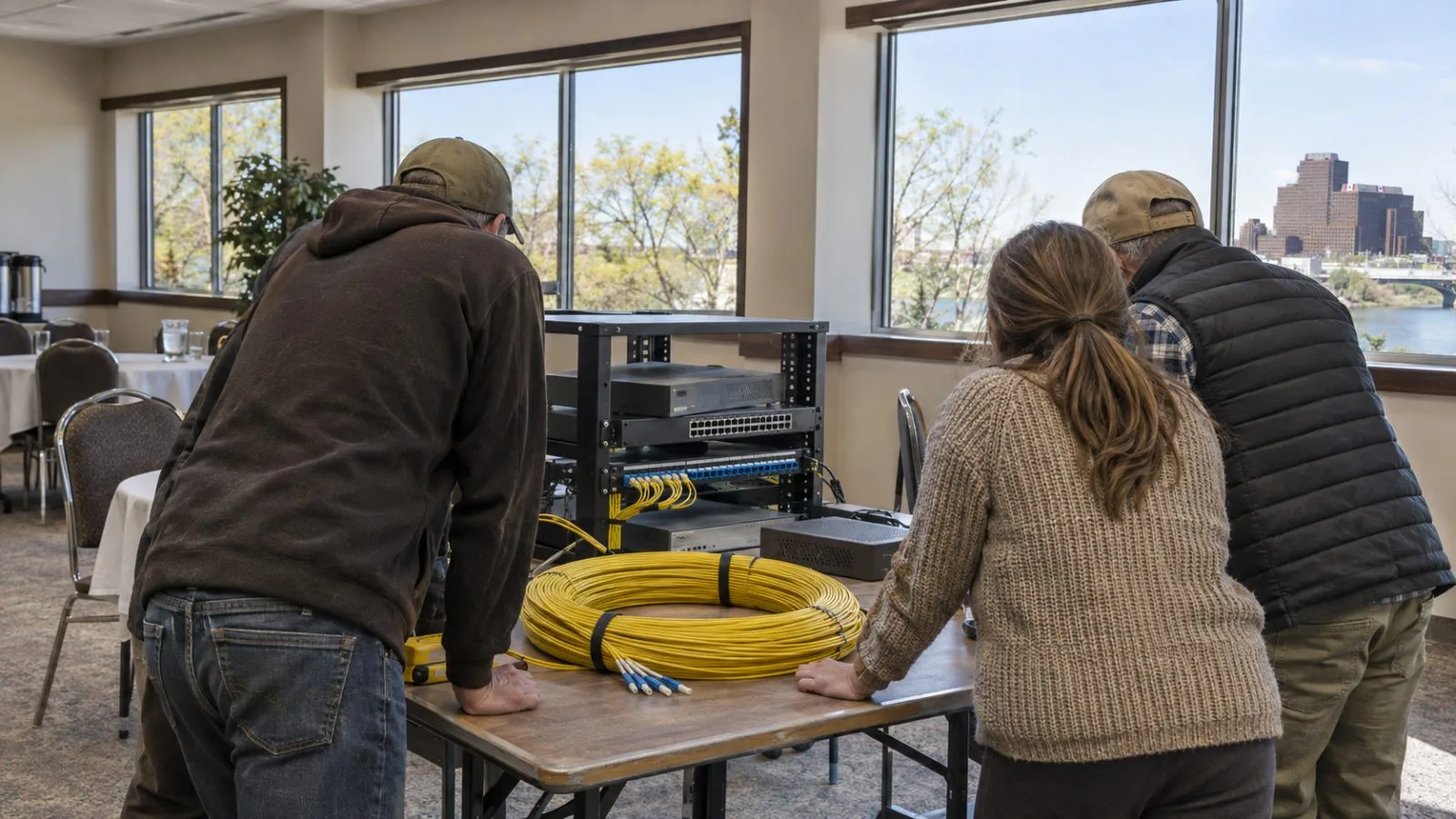
A Sept. 16 policy added network resilience as an eligible project type. It covers qualifying communities with a single terrestrial transport route, subject to the policy’s geographic and road-access criteria. Projects must reduce the risk of a single point of failure by adding a second route with similar or greater capacity. That link must use a different geographic path or another technology. The CRTC said limited network options can leave rural and remote communities more exposed when connections fail and essential services are disrupted.
The regulator kept the Fund’s annual distribution cap at C$150 million and deferred additional operational funding. Its dashboard lists 67 projects and C$780.1 million awarded, covering 318 communities, including 131 Indigenous communities, and 53,785 households. It also reports 5,973 kilometers of fiber transport infrastructure and cellphone service along 652 kilometers of major roads. A separate CRTC policy document says selected projects would improve service in 326 communities; the regulator did not reconcile the two totals.
The CRTC’s 2026 market report says 96.4% of Canadian households had access to Internet service at the 50/10 Mbps universal-service benchmark in 2024. That measure covers 50 Mbps download and 10 Mbps upload. The report says some rural areas, the Territories and First Nations reserve areas remain underserved, although coverage in those regions is increasing.
The CRTC’s fourth Broadband Fund application call closed Oct. 15. Levy’s prepared remarks said the regulator intended to make funding decisions in the coming months. Separately, comments on a proposed dedicated Indigenous funding stream are due Dec. 1, with replies due March 2, 2027.