FXStreet put USD/CAD near 1.3955 in Wednesday’s European morning, as the Canadian dollar firmed against the U.S. dollar and the pair neared a one-and-a-half-month low.
Lower Treasury yields and election-related uncertainty were among the pressures on the U.S. dollar identified by FXStreet. In a separate Wednesday snapshot of Asian trading, the outlet listed the two-year Treasury yield at 4.566%, five basis points lower, and the 10-year yield at 4.90%, down six basis points. The Associated Press reported that Democrats won control of Congress in the Nov. 3 elections. A lower USD/CAD reading means one U.S. dollar buys fewer Canadian dollars. EconoTimes followed the currency move Tuesday, when the pair dropped below 1.3960 in its earlier report on USD/CAD. FXStreet also cited hopes for Iran diplomacy and Canada’s recent rate increase as factors supporting the loonie.
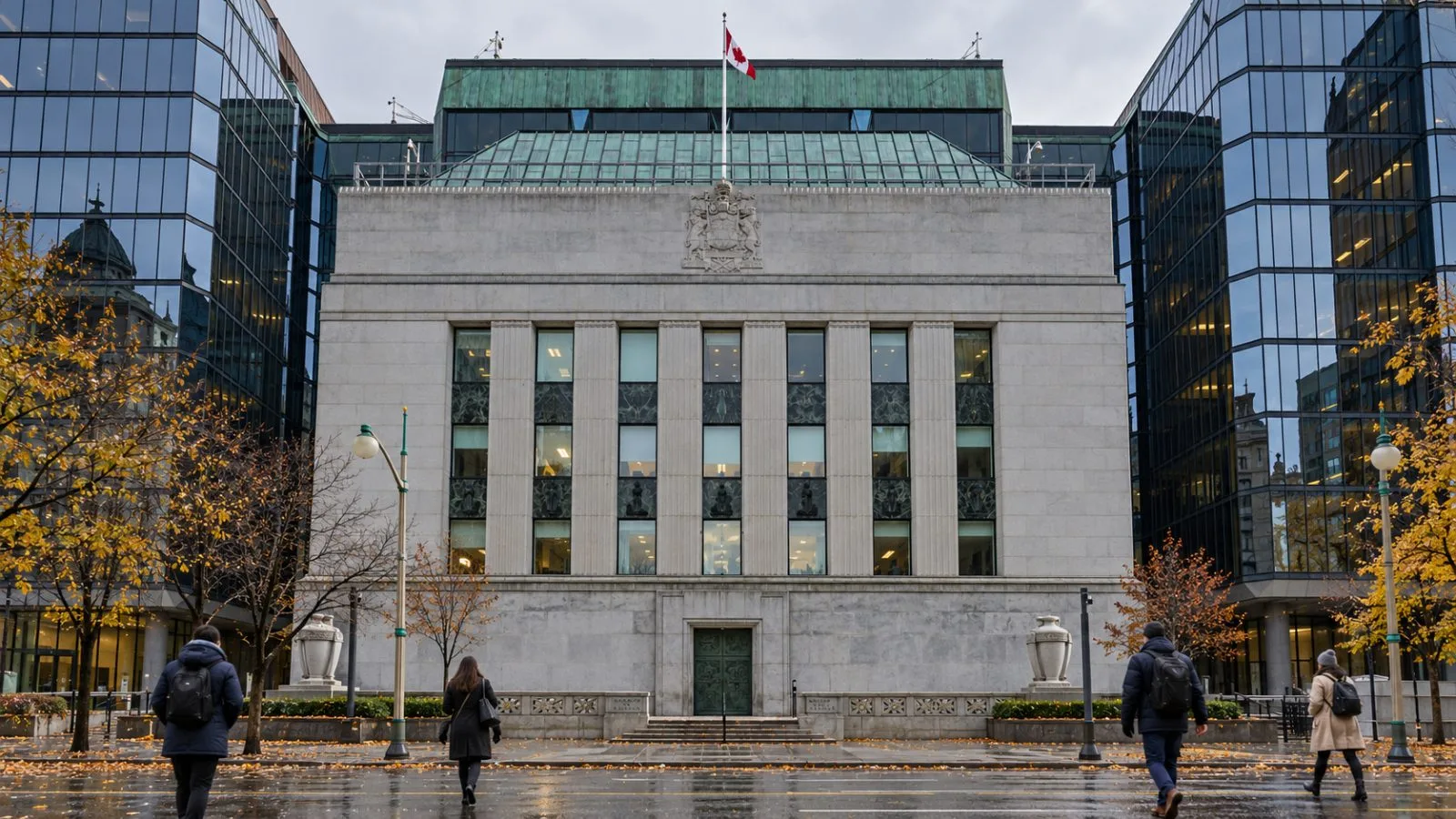
At its Oct. 28 decision, the Bank of Canada (BoC) raised the overnight-rate target by 25 basis points to 2.5%. The bank said inflation, which had been around 3% since April, was projected to rise to about 3.5% by year-end. It described the rate move as a step to limit the risk that high energy costs would spread to other prices. The Bank Rate became 2.75%, and the deposit rate was set at 2.45%. Governing Council left room for another increase but said it would “proceed carefully” amid uncertainty.
ADP’s October private-sector employment report was scheduled for 8:15 a.m. ET Wednesday, followed by the Institute for Supply Management (ISM) Services PMI at 10 a.m. ET. The U.S. Bureau of Labor Statistics (BLS) scheduled its October employment report for 8:30 a.m. ET Friday, Nov. 6. Statistics Canada (StatCan) also set its October Labour Force Survey for Nov. 6.