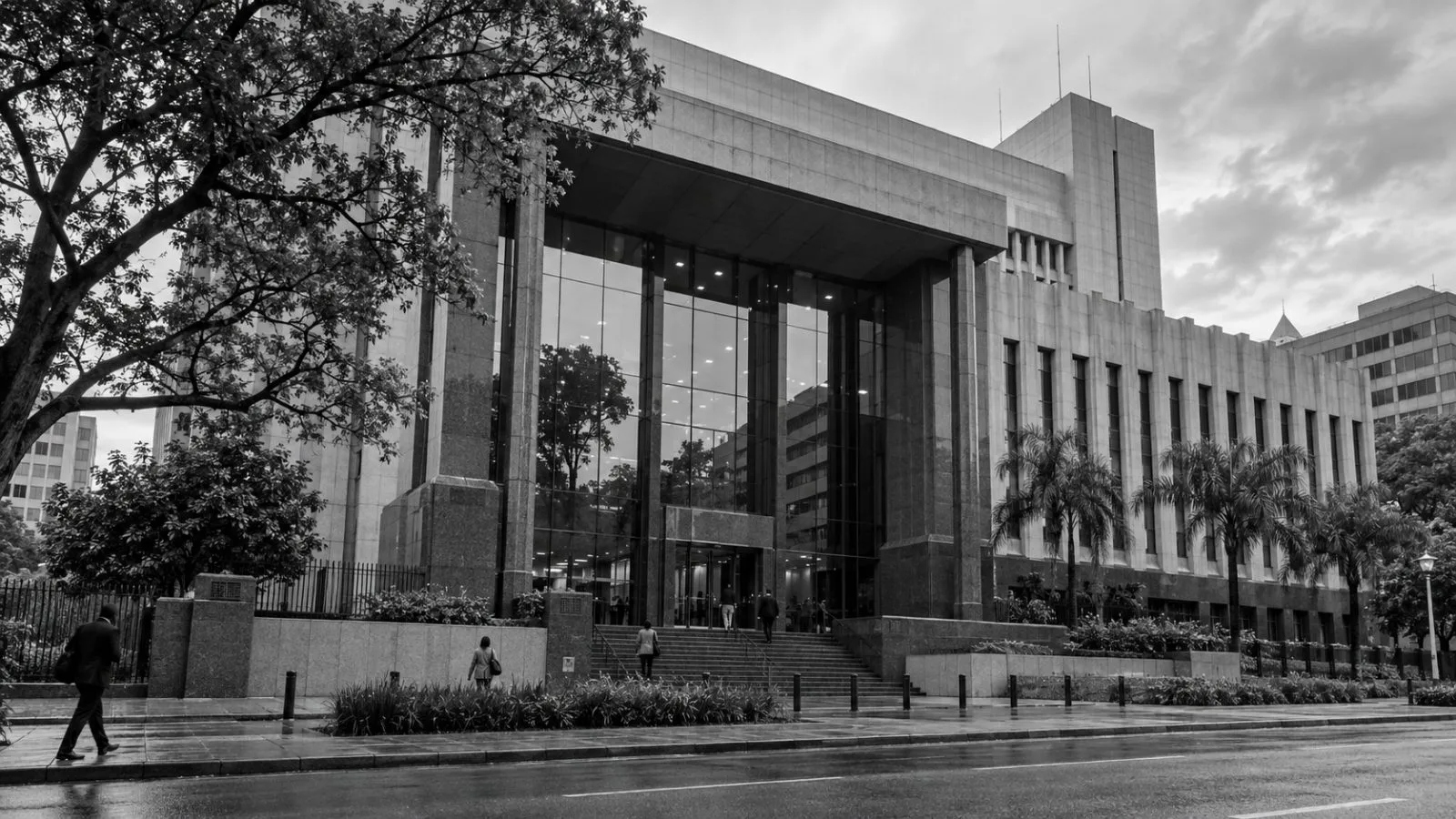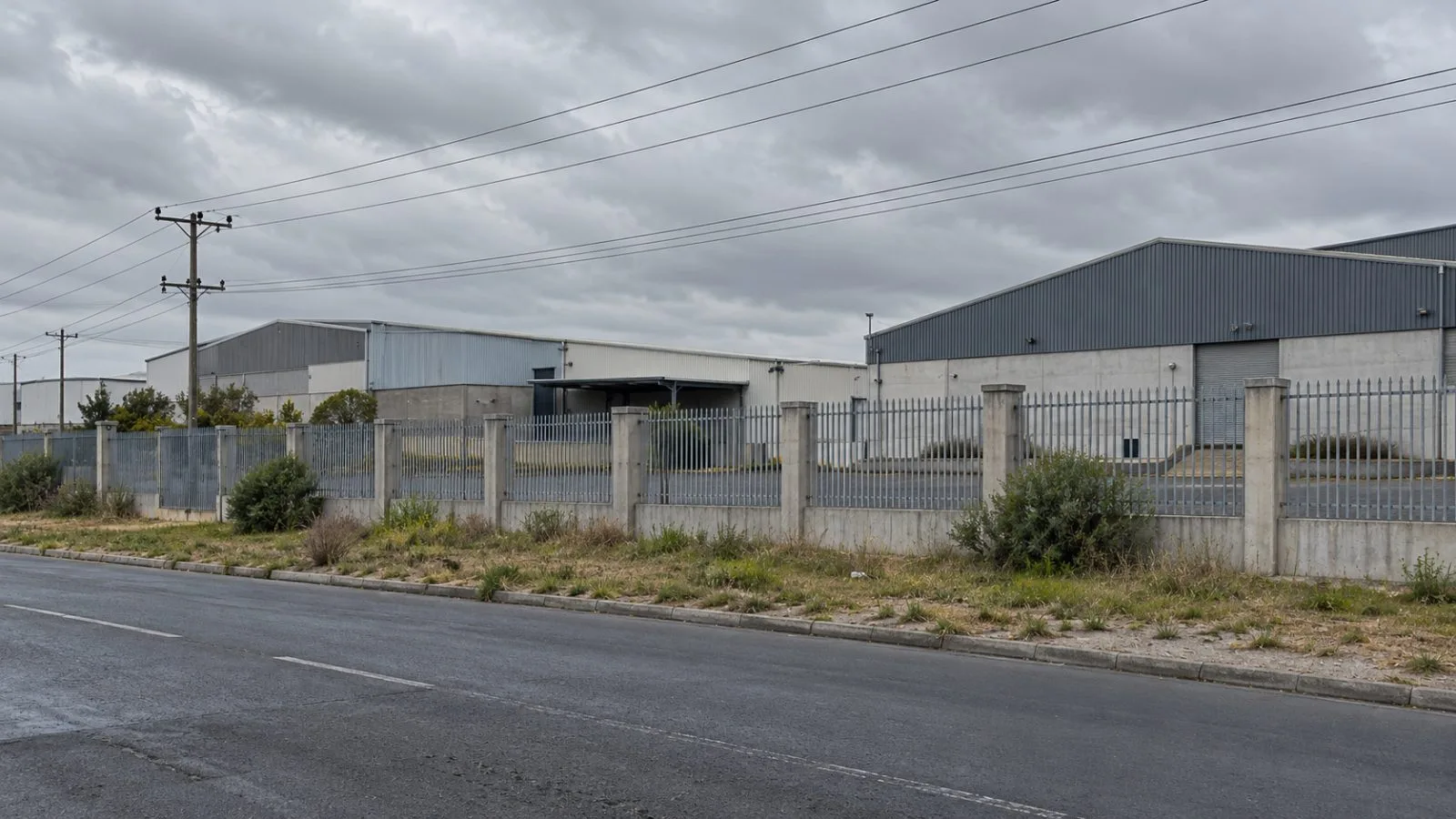
Cape Town’s appeal over land-use changes for an Equinix-linked data center site has put resource disclosure under scrutiny, with community groups saying the application lacked key details on water, power and neighborhood effects.
The Municipal Planning Tribunal approved land-use changes at King Air Industria on July 14. The decision could permit one or possibly two data centers, but it did not approve construction or operation. Housing Assembly and Foxglove appealed in August, represented by the Legal Resources Centre, arguing that the application did not adequately address water and electricity demand, emissions, noise or other community impacts.
Deputy Mayor Eddie Andrews told TechCentral that the approval remains suspended until the appeal is resolved. Equinix told TechCentral the property is a long-term land bank and the company has no immediate development plans.
A joint civil-society submission to the South African Human Rights Commission (SAHRC) estimated that conventional evaporative cooling at the proposed facilities could use more than 4.4 billion liters of water annually. The submission compared that amount with yearly water use by more than 18,000 South African households. The estimate is conditional, and actual project water use was not disclosed. The submission counted more than 60 known data centers nationwide with about 500 megawatts of disclosed capacity and said there is no complete public national register.
Equinix South Africa managing director Sandile Dube told AFP the company uses dry cooling with minimal water. Housing Assembly member Kashiefa Achmat said the groups support investment and jobs, but want them to come “not at the expense of the poor.”
The submission urged the SAHRC to recommend a national inquiry, mandatory facility-level reporting on water and electricity use, and consideration of a temporary pause on new hyperscale approvals. Those requests are proposals from the groups, not commission decisions. South Africa’s 2024 National Data and Cloud Policy requires data centers to follow environmental and building rules and gives priority to self-provision of water and electricity.
The Planning Appeals Advisory Panel met Oct. 12. Its recommendation is expected to inform a final decision by Executive Mayor Geordin Hill-Lewis.