A retreat in artificial intelligence investment could slow U.S. growth but is unlikely to cause a recession if demand for AI services stays firm, Capital Economics said.
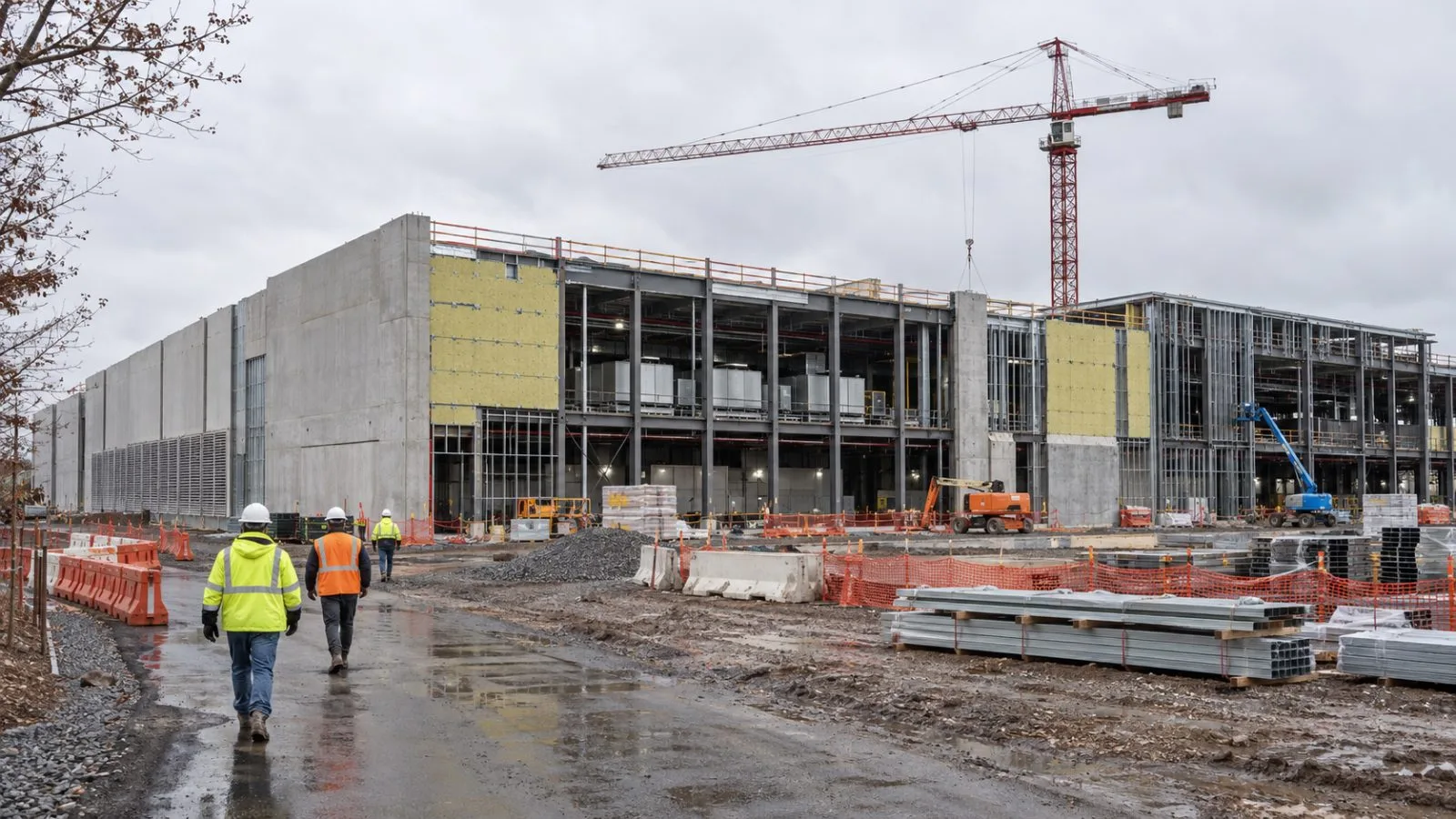
In a Nov. 9 analysis, Capital Economics Chief North America Economist Stephen Brown said the long timelines for data center construction could keep current projects moving even if plans for new investment weaken. If demand from businesses and households continues to grow, developers have reason to carry on with work already in progress. The firm argues that this would spread any adjustment over time, reducing the risk of a sudden break in U.S. output and hiring.
The composition of spending may also cushion the U.S. labor market. Much of the hardware used in the buildout comes from overseas, while technology hiring has remained limited, Capital Economics said. That leaves fewer technology jobs directly exposed to cuts if data center investment recedes, according to the firm.
In a separate analysis, Capital Economics Group Chief Economist Neil Shearing estimated that a pullback could subtract about 0.3 percentage points from U.S. gross domestic product (GDP) growth. He said the fallout is more likely to be felt in economies that supply equipment, particularly Taiwan and Korea.
Brown identified falling AI-related share prices as a risk to consumer spending because they could weaken the wealth effect that supports household purchases. He listed tighter financing and possible restrictions on data center development as separate risks to investment.
The International Monetary Fund (IMF) warned in its October Global Financial Stability Report that weaker AI investment or profitability could weigh on assets linked to the sector. EconoTimes previously covered related concerns about AI market risk.
Shearing compared the current investment structure with earlier cycles: U.S. equipment production played a larger role during the dot-com boom, while bank leverage was more central to the mid-2000s housing crisis. In a separate Nov. 6 analysis, Capital Economics forecast slower growth in AI investment in 2027 and a decline in the level of investment in 2028.