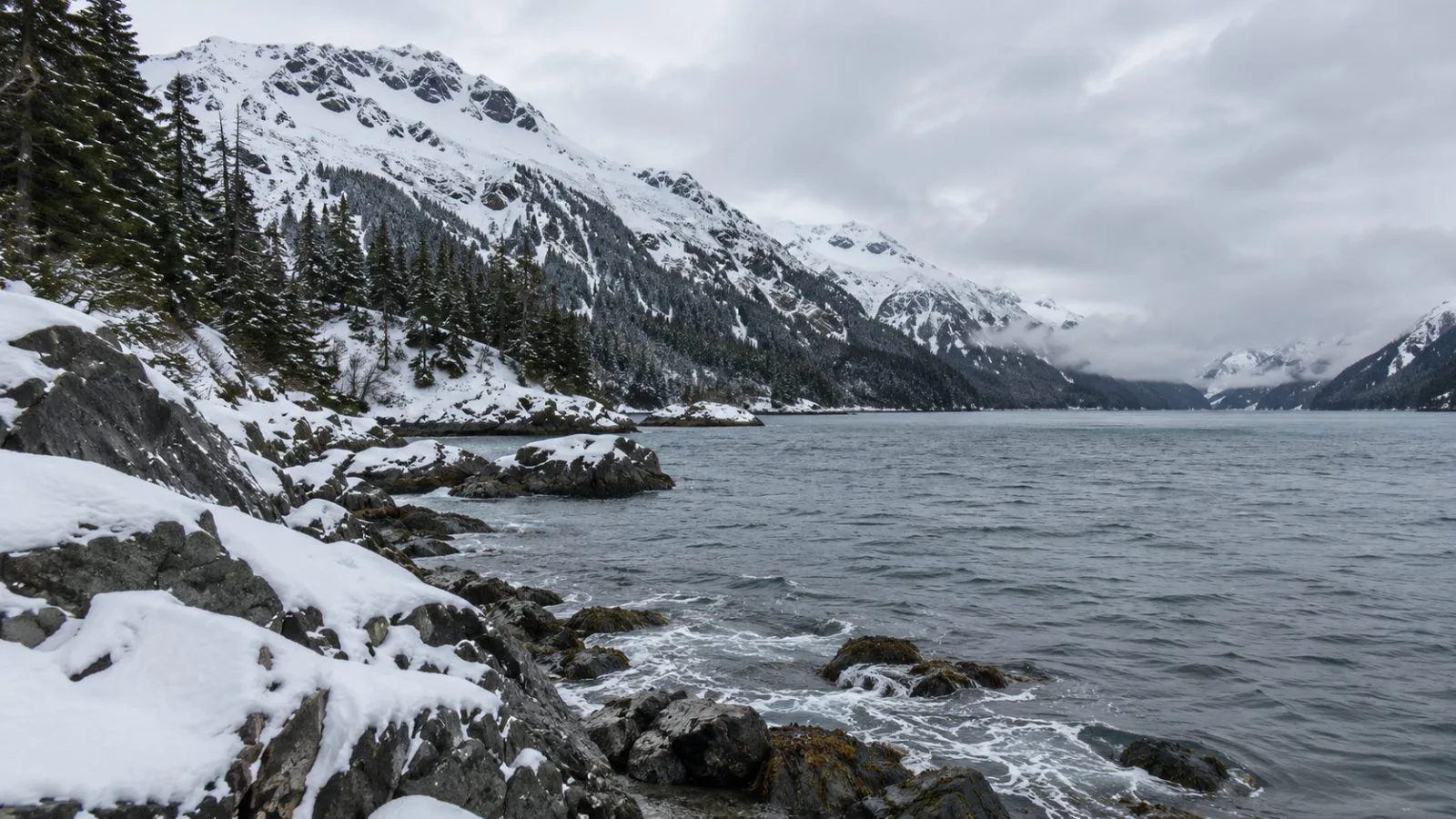
President Jimmy Carter signed the Alaska National Interest Lands Conservation Act on Dec. 2, 1980, protecting more than 104 million acres while addressing rural subsistence and Alaska's economic needs.
The National Park Service says the measure designated 57 million acres as wilderness and established or expanded national parks, wildlife refuges, forests and protected rivers. The agency puts the total area protected by the act at more than 104 million acres.
The legislation followed a question left by the Alaska Native Claims Settlement Act of 1971: which federal lands should receive conservation designations. That earlier law directed the interior secretary to withdraw up to 80 million acres for possible protection.
With permanent legislation still pending, Carter designated approximately 56 million acres as national monuments in 1978 and urged Congress to act. Lawmakers passed the broader conservation measure two years later.
The final act also addressed rural residents' use of fish and wildlife for subsistence. On public lands, it placed qualifying nonwasteful subsistence harvests ahead of harvests for other purposes, subject to the act's provisions and other federal laws. The priority concerned the taking of fish and wildlife, rather than every use of the land.
Congress found that the act provided adequate opportunity to meet Alaska's economic and social needs. At the signing, Carter said oil, gas, minerals and timber could still be developed.
Protected status nevertheless brought limits. The National Park Service says the designations generally constrain logging, mining, oil and gas development, and construction of permanent roads inside affected areas. Alaska Sen. Ted Stevens said some residents thought Congress had erred and worried about restrictions on their use of the land.
Carter described the act as a balance between protection and development. His signing remarks put the wilderness area at 56 million acres; the National Park Service gives 57 million acres. Both figures concern wilderness, a narrower category than the full area protected under the act.