Blume Ventures and South Park Commons have co-led a $15 million Series A for Bengaluru-based Cent, which says the funding will advance its preventive-screening platform.
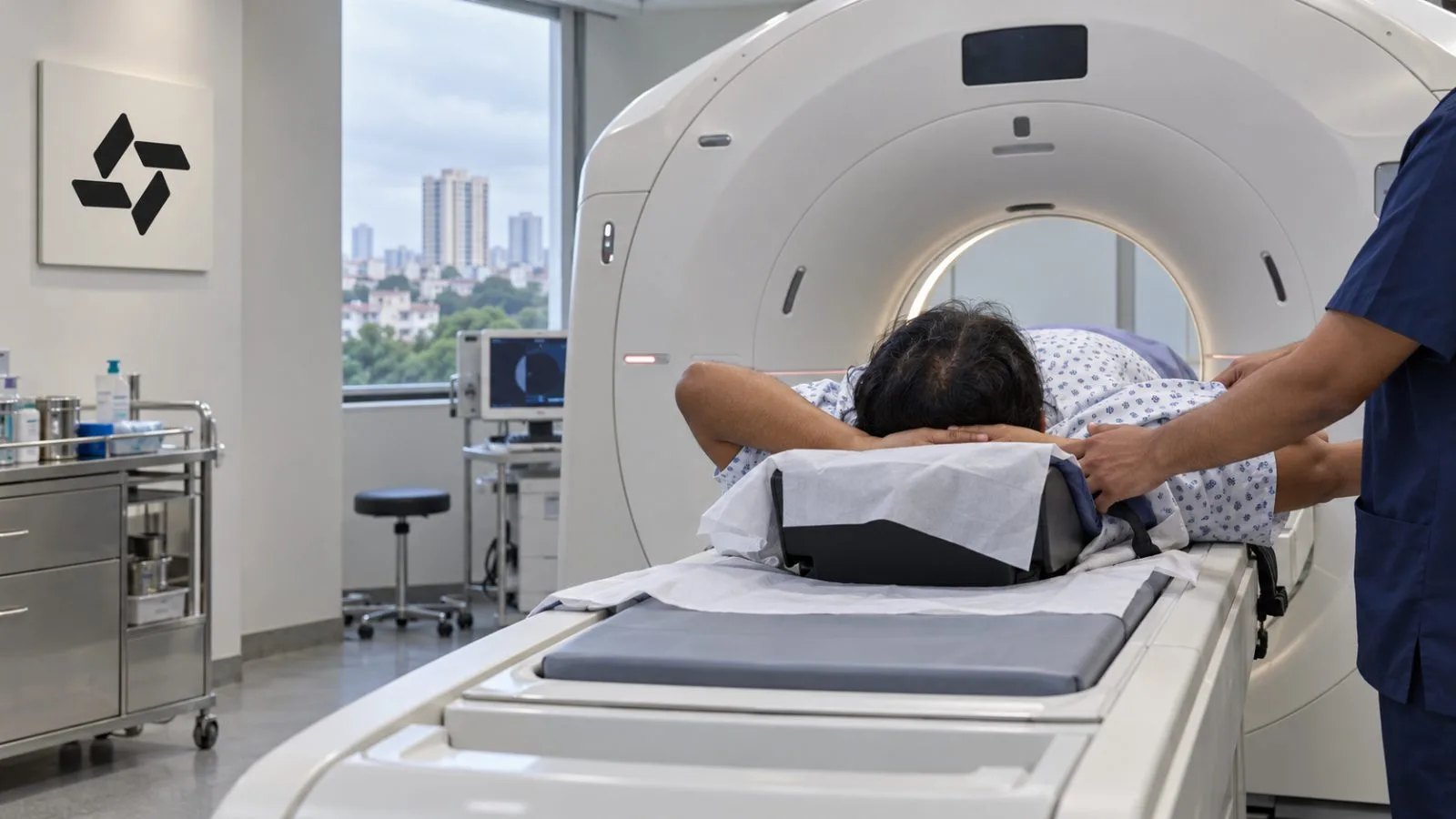
Cent says its protocol draws on more than 100 biomarkers and several screening methods, including low-dose CT, DEXA, ECHO, full-body MRI and ECG. The founders say they plan to build screening hardware and tools that assess imaging, blood and genetic data together.
Mint reported that the financing includes equity and debt. Anshul Khandelwal, a Cent co-founder, told Mint that most of the equity would support research and development, including a bioinformatics platform, while a smaller debt portion would help fund center expansion. Mint also reported that Cent is developing AI radiology tools and screening hardware.
Khandelwal told Mint the network, then at three centers, is intended to reach seven to 10 locations by mid-2027 in Bengaluru, Mumbai and Gurugram. Mint reported a screening price of ₹25,000, rising to ₹30,000 to ₹35,000 per person with a genomics test.
Cent’s founders say health services often focus on care after illness begins, while the company aims to assess people who do not feel sick. In their note, co-founders Shashank ND, Khandelwal and Arpit Garg wrote, “India’s disease burden has changed faster than its health system.”
The founders shared results from the company’s first 10,000 members: a finding they considered worth acting on appeared for one in four, and one in 40 needed immediate medical attention, according to Cent. The company has set a longer-term goal of 10 million scans by 2035.