Four central banks took different rate actions this week, with Canada tightening while the Federal Reserve, European Central Bank and New Zealand’s central bank held, as energy costs cloud inflation outlooks.
The Reserve Bank of New Zealand (RBNZ) kept its Official Cash Rate at 2.75% on Oct. 28 in a 4-3 vote. Annual inflation was 3.7% in the September 2026 quarter, down from 4.1% in the June quarter. The bank expects inflation to reach 4.4% in the December quarter, largely because of fuel prices. Its committee said any further tightening would depend on the outlook, while also citing subdued household spending and risks to the recovery.
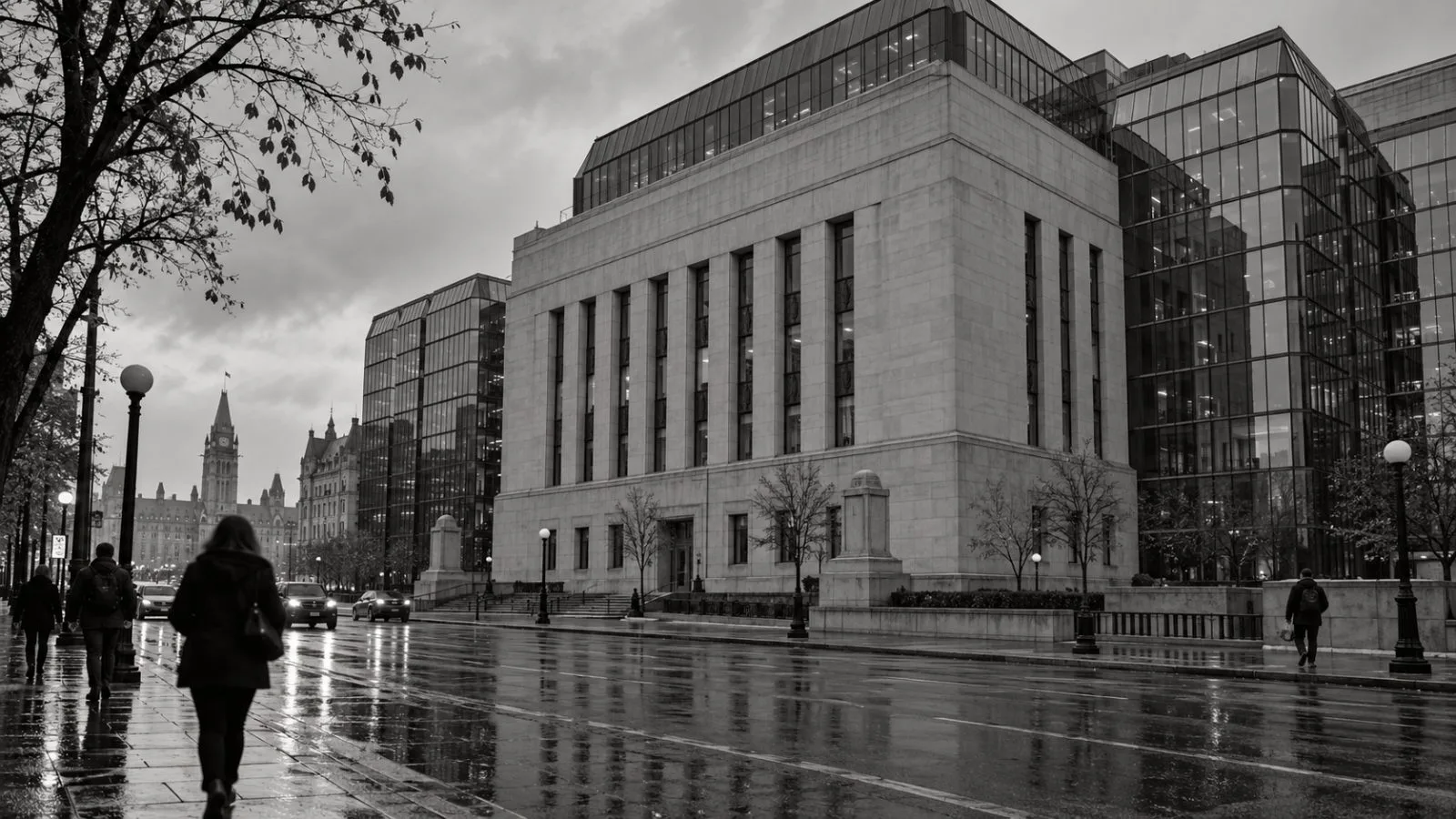
The Bank of Canada raised its overnight rate target by 25 basis points to 2.5% on Oct. 28. It pointed to persistently high oil prices and the risk that energy costs spread to prices for other goods and services. The bank now projects average inflation of 3% in 2027, one percentage point above its July forecast, before easing to 2% by mid-2028. It said another increase may be needed, depending on uncertainty and incoming information.
The European Central Bank (ECB) left its deposit facility, main refinancing and marginal lending rates at 2.5%, 2.65% and 2.9%, respectively, on Oct. 29. ECB figures showed euro area inflation rose to 3.8% in September from 3.2% in August, while energy inflation reached 18.9%, up from 14.3%. The ECB warned that a more severe or prolonged energy shock could put further upward pressure on prices and weigh on growth.
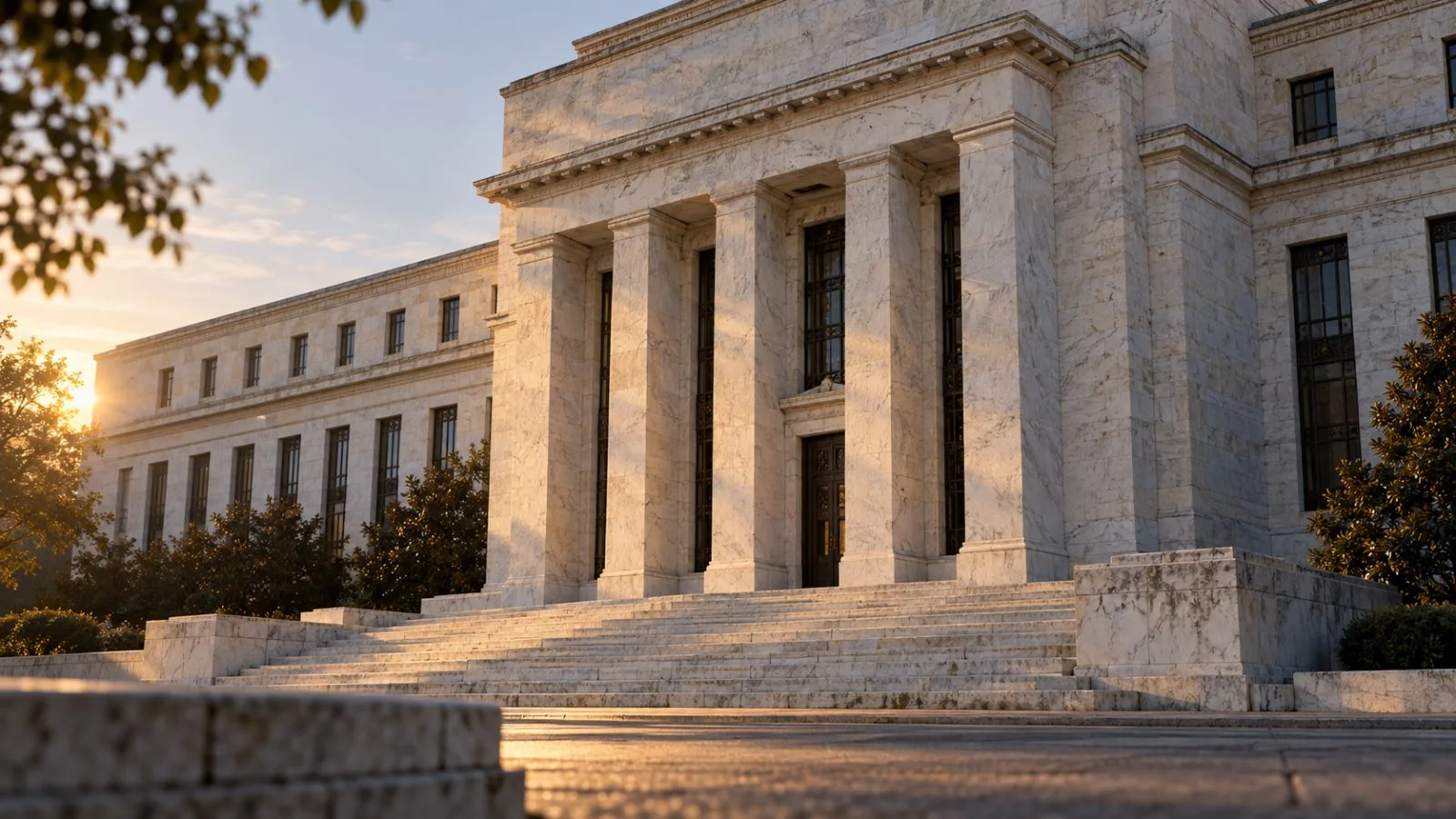
The Federal Reserve held its target range at 3.75% to 4% on Oct. 28. The Federal Open Market Committee voted 10-2, with Lisa D. Cook and Beth M. Hammack favoring a quarter-point increase. The committee said inflation remained elevated. The Fed's decision was one of the rate moves scheduled for the week.
The next scheduled decisions are in Australia on Tuesday, Nov. 3, and in the United Kingdom and Norway on Thursday, Nov. 5. Reuters reported that markets were assigning high odds to another increase by the Reserve Bank of Australia and had largely priced in a Bank of England hike. Those are market expectations, not announced decisions.