


 FxWirePro: Daily Commodity Tracker - 21st March, 2022


 Add as a preferred source on Google
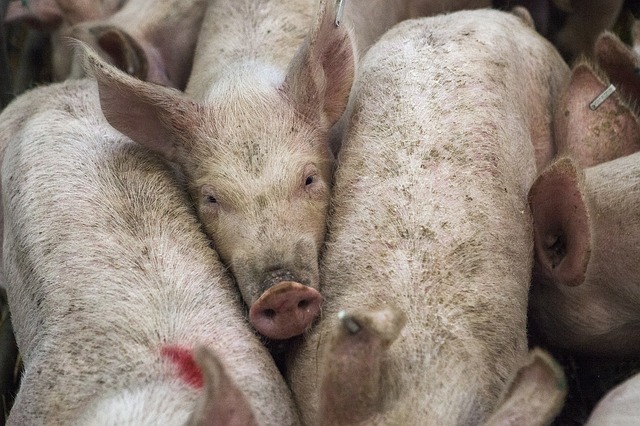
The infamous pork cycle is heating up again, pork prices in the CPI basket have risen 17.4% since May and were up 16.7% yoy in July, which accounted for half of the headline CPI reading of 1.6% yoy. The current cycle is similar to the previous two disruptive cycles in terms of supply shortages, but lacks the equally critical support from the demand side. Pork prices will probably keep rising and push CPI above 2% yoy in the coming months, but the chance of CPI going much beyond 3% is limited. Nevertheless, this inflation outlook is still likely to restrain the central bank's scope for policy rate cuts, but, if the economy keeps struggling, it is believed other forms of monetary policy will ease.
"In comparison with the previous two pork cycles, the start of the current cycle looks no less sinister. In just three months, pork prices jumped 17.4%, compared with 15.4% in the 2007 cycle and 20.8% in the 2011 cycle. On the supply side, the shortage is even more severe. Stock numbers of both pigs and sows are at their lowest levels since the data was first collected in 2009", notes Societe Generale.
However, the demand picture is starkly different. This time, little evidence suggests much pull from the demand side. GDP growth is much weaker and barely stabilising. Money growth is hovering around 5% yoy, a level well below the historical average. Another telling contract is that the PPI is falling deeper and deeper into the black hole of deflation, whereas, during the previous two pork cycles, the PPI was moving higher as well.
"Given the supply shortage and the upcoming seasonal increases in pork demand, we agree that pork prices will probably keep moving higher in the short term. Consequently, the CPI could be pushed higher. However, we do not think this pork cycle will go very far. We now expect the CPI to rise above 2% yoy in the coming months, but to peak around 3% yoy by year-end. This represents an upward revision to our previous forecasts: 1.9% yoy instead of 1.5% yoy for Q3 and 2.5% yoy up from 1.7% yoy for Q4. This revision supports our current monetary policy call of no further policy rate cut this year", says Societe Generale.
Judging from recent activity data, the economy is still under immense downward pressure. Furthermore, supply-driven inflation is by nature deflationary, as higher pork prices can squeeze other consumption in the absence of any acceleration in income growth. Therefore, fiscal policy has to step up, and monetary policy is likely to play an assisting role by providing targeted liquidity. It seems that the focus at the moment is on the indirect channels of policy bank funding support to infrastructure investment.







