


 IMF Maintains 2027 Global Growth Forecast at 3.4% Amid Rising Risks
  Asian Stocks Plunge as AI Chip Selloff Hits South Korea and Japan
  Fed’s Williams Sees One More Rate Hike in 2026, None in 2027
  Trump Defends Russian Diesel Deal Amid US Sanctions Backlash
  US Dollar Index Falls as Fed Signals Caution, Indian Rupee Surges
  Gaza Olive Harvest Collapses as War Destroys Farmland
  China Resumes US Soybean Purchases After Trump-Xi Summit
  Fed's Hammack Urges Faster Rate Hikes to Fight Inflation
  Samsung, SK Hynix Shares Plunge as China Chip Competition Grows
  Wall Street Ends Mixed as Investors Await CPI and Bank Earnings
  S&P 500 Rally Masks Losses for Over 40% of Stocks in 2026
  Oil Prices Fall as Trump Ceasefire Claim Shifts Market Focus to U.S. CPI
  Asian Currencies Steady as Dollar Nears 18-Month High Ahead of US CPI
  Gold Prices Rebound as Dollar Weakens Ahead of US Inflation Data
  Oil Prices Fall as Russia Signals Higher Diesel Exports
  European Stocks Rise as Oil Prices Fall Ahead of US CPI


 Add as a preferred source on Google
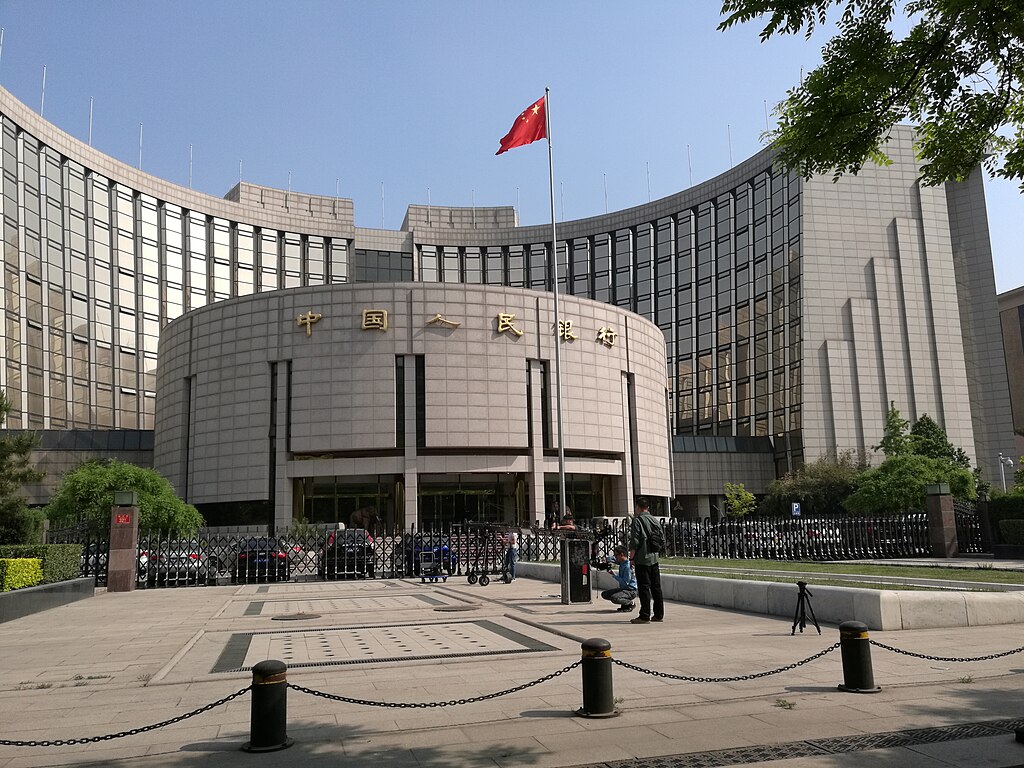
China’s new bank lending surged in September, exceeding market expectations as Beijing intensified monetary stimulus measures to support its slowing economy. However, weak annual credit growth continued to highlight subdued borrowing demand among households and businesses.
Chinese banks issued 1.08 trillion yuan ($161.37 billion) in new loans during September, a sharp increase from August’s 60 billion yuan, according to Reuters calculations based on data released Wednesday by the People’s Bank of China (PBOC).
The figure surpassed economists’ forecasts of 975 billion yuan but remained below the 1.29 trillion yuan recorded in September last year. Chinese lenders typically accelerate loan issuance toward the end of each quarter to meet lending targets.
The PBOC does not publish individual monthly lending figures, so September’s total was calculated using cumulative data for January through September and January through August.
Despite the monthly rebound, China’s credit growth remains under pressure. Outstanding yuan loans increased 4.8% year-on-year, marking a record low and slowing from August’s 4.9%. The reading matched analysts’ expectations.
During the first nine months of 2026, Chinese banks extended 11.52 trillion yuan in new loans, significantly below the 14.75 trillion yuan issued during the corresponding period last year.
Beijing introduced targeted interest rate cuts and mortgage subsidies in late September to stimulate borrowing and strengthen economic activity. Fitch Ratings expects these measures to modestly improve credit transmission but warned that they are unlikely to substantially revive loan demand or reverse weakness in China’s property market.
Chinese authorities have pledged additional economic support to achieve their annual GDP growth target of 4.5% to 5%. Economic expansion slowed to a three-and-a-half-year low in the second quarter, reflecting weak investment and consumer spending despite resilient manufacturing and exports.
Investors are closely watching China’s third-quarter GDP report, scheduled for October 19, for evidence of economic stabilization.
Meanwhile, broad M2 money supply growth slowed to 7.2% in September, an 18-month low, compared with 7.5% in August and expectations of 7.4%.
Narrow M1 money supply growth also weakened to 3.2% from 4.1% in August.
Outstanding total social financing, a key indicator of overall credit and liquidity, increased 7.1% year-on-year, down from 7.2% previously. Faster government bond issuance could provide additional support to financing activity.







