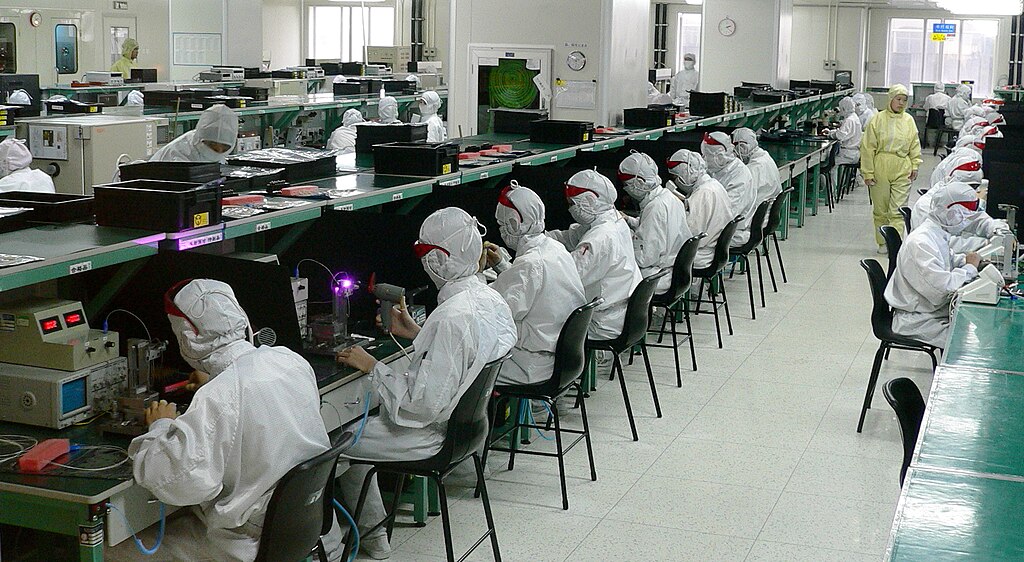
China’s manufacturing sector continued to expand for a second consecutive month in April, signaling resilience in the world’s second-largest economy despite ongoing global uncertainties. According to official data from the National Bureau of Statistics (NBS), the manufacturing purchasing managers’ index (PMI) registered at 50.3, slightly down from 50.4 in March but still above the critical 50 threshold that separates expansion from contraction. The figure also exceeded market expectations, which had projected a reading of 50.1.
The latest PMI data highlights steady industrial output and increased stockpiling activity, both of which contributed to sustained growth momentum. The production sub-index showed a modest improvement, indicating stronger factory output. However, new orders slowed to 50.6 from March’s 51.6, suggesting softer demand. Meanwhile, the raw materials inventory index improved but remained below the expansion line, reflecting cautious restocking among manufacturers.
China’s economic performance in early 2026 has been stronger than anticipated, with first-quarter GDP growth reaching 5% year-on-year, aligning with the government’s annual target. This solid start has reduced immediate pressure for aggressive economic stimulus measures. Still, challenges persist. Rising unemployment and weak retail sales point to sluggish domestic consumption, while export growth has shown signs of slowing, partly due to last year’s high comparison base.
Global factors continue to influence China’s outlook. Elevated oil prices, driven in part by geopolitical tensions in the Middle East, have pushed producer prices higher, ending a prolonged deflationary trend. However, these rising costs may compress profit margins, particularly in energy-intensive industries like petrochemicals.
In contrast to the official PMI, a private survey by S&P Global showed stronger expansion, with the Caixin China Manufacturing PMI climbing to 52.2 in April from 50.8 in March. This divergence reflects differences in survey focus, with the private index capturing smaller, export-oriented firms.
Despite ongoing risks from global conflicts and fluctuating demand, China’s manufacturing sector remains stable, supported by policy efforts to strengthen energy security and mitigate external shocks.