


 RBA Hikes Interest Rate to 4.60% as Inflation Risks Rise
  BlackRock’s Rick Rieder Favors Bonds Over Stocks as Treasury Yields Surge
  U.S. Stock Futures Fall as Iran, Oil and AI Risks Rattle Markets
  BOJ Flags Import Costs and Yen Shocks as Persistent Inflation Risks
  XRP Price Targets $1.70 as Bullish Momentum Builds
  RBA Says ASX Still Falls Short on Governance and Risk Controls
  RBI Uses $10 Billion Currency Swaps to Drain Excess Rupee Liquidity
  BOJ Set for Rate Hike as Inflation and Yen Pressure Mount
  Oil Prices Slide as Middle East Flows Recover
  Fed’s Williams Signals One More Rate Hike Before Year-End
  UK Housebuilder Stocks Surge on New First-Time Buyer Loan Scheme
  Global Central Banks Brace for More Rate Hikes as Inflation Risks Rise
  Australia Budget Deficit Narrows to A$22.3 Billion on Stronger Tax Revenue
  Asian Stocks Fall as Oil Surge, Bond Yields and AI Concerns Hit Markets
  Fed Unveils Stablecoin Rules Under GENIUS Act
  Japan Factory Output Unexpectedly Falls 1.7% in August


 Add as a preferred source on Google
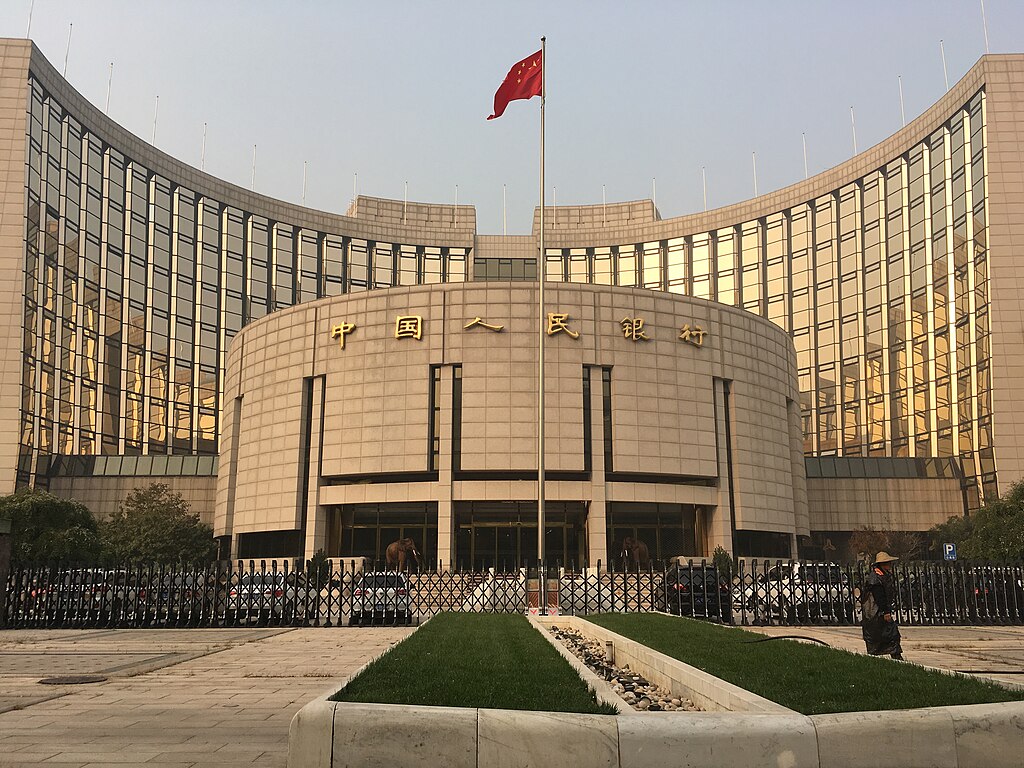
China's central bank kept its benchmark lending rates unchanged on Friday, marking the tenth straight month without an adjustment as policymakers weigh additional measures to strengthen the country's economic momentum. The People's Bank of China maintained the one-year Loan Prime Rate at 3.0% and the five-year LPR at 3.50%, the latter of which directly influences mortgage lending across the country.
Both figures remain at their lowest levels on record, reflecting a sustained easing cycle that has unfolded over the past six years through a series of gradual reductions. Despite this, Chinese authorities have grown increasingly cautious about further rate cuts, preferring to inject liquidity into the financial system through open market operations rather than trimming benchmark rates outright.
This strategic restraint stems largely from two concerns. First, additional cuts risk squeezing the profit margins of Chinese commercial banks, which are already operating under pressure. Second, lowering rates further could amplify downward pressure on the Chinese yuan, a currency Beijing has been working to stabilize amid broader global financial uncertainty.
China's economic landscape continues to face structural headwinds, particularly persistently weak domestic consumer demand that has weighed on growth prospects for several years. In response, Beijing recently announced a slightly more modest growth target for 2026, signaling a realistic acknowledgment of the challenges ahead while simultaneously pledging to roll out a stronger combination of fiscal spending and monetary support to stimulate activity.
Analysts are closely watching how Chinese policymakers balance the need for economic stimulus against financial stability risks. With global trade dynamics shifting and domestic confidence still fragile, the government's next policy moves will be critical in determining whether China can sustain its recovery and meet its revised growth ambitions in the year ahead.







