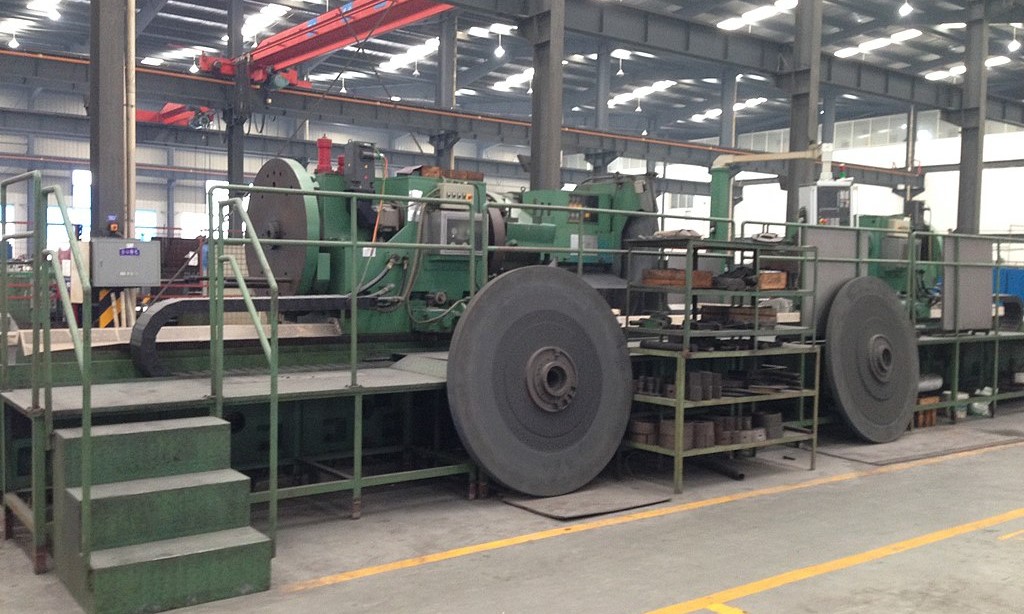
China’s manufacturing activity unexpectedly returned to expansion in December, ending eight consecutive months of contraction and providing policymakers with renewed confidence as they worked to achieve the country’s annual economic growth target. Official data released by the National Bureau of Statistics (NBS) showed the manufacturing purchasing managers’ index (PMI) rose to 50.1 in December, up from 49.2 in November. This marked a return above the 50-point threshold that separates growth from contraction and exceeded analysts’ expectations of 49.2 in a Reuters poll.
The rebound in China’s manufacturing PMI suggests some stabilization in the world’s second-largest economy after a prolonged slowdown. Policymakers had opted not to roll out major additional stimulus measures toward the end of the year, aiming instead to meet a full-year growth target of around 5%. The stronger-than-expected PMI reading may validate that cautious approach, at least in the short term.
Encouraging signs were also seen in key sub-indexes. New orders climbed to 50.8 from November’s 49.2, while new export orders improved to 49.0 from 47.6, reflecting a modest pickup in external demand after last month’s export data beat forecasts. Meanwhile, the non-manufacturing PMI, which covers services and construction, rose to 50.2 after contracting in November for the first time in nearly three years, signaling broader economic stabilization.
Despite these positive indicators, challenges remain. Separate data released last week showed Chinese industrial profits fell 13.1% year-on-year in November, the steepest decline in over a year, highlighting the pressure from weak global demand. Consumer spending also remains subdued, weighed down by employment uncertainty and a prolonged property sector crisis that continues to erode household wealth.
Chinese leaders have acknowledged structural issues, including excess capacity and weak domestic demand. At a key policy meeting in December, the Communist Party pledged to boost incomes and stimulate consumption, with President Xi Jinping emphasizing that consumption is the sustainable driver of long-term economic growth. As China seeks to rebalance its economy away from a production-heavy model, the December PMI rebound offers cautious optimism, even as policymakers confront persistent internal and external headwinds.