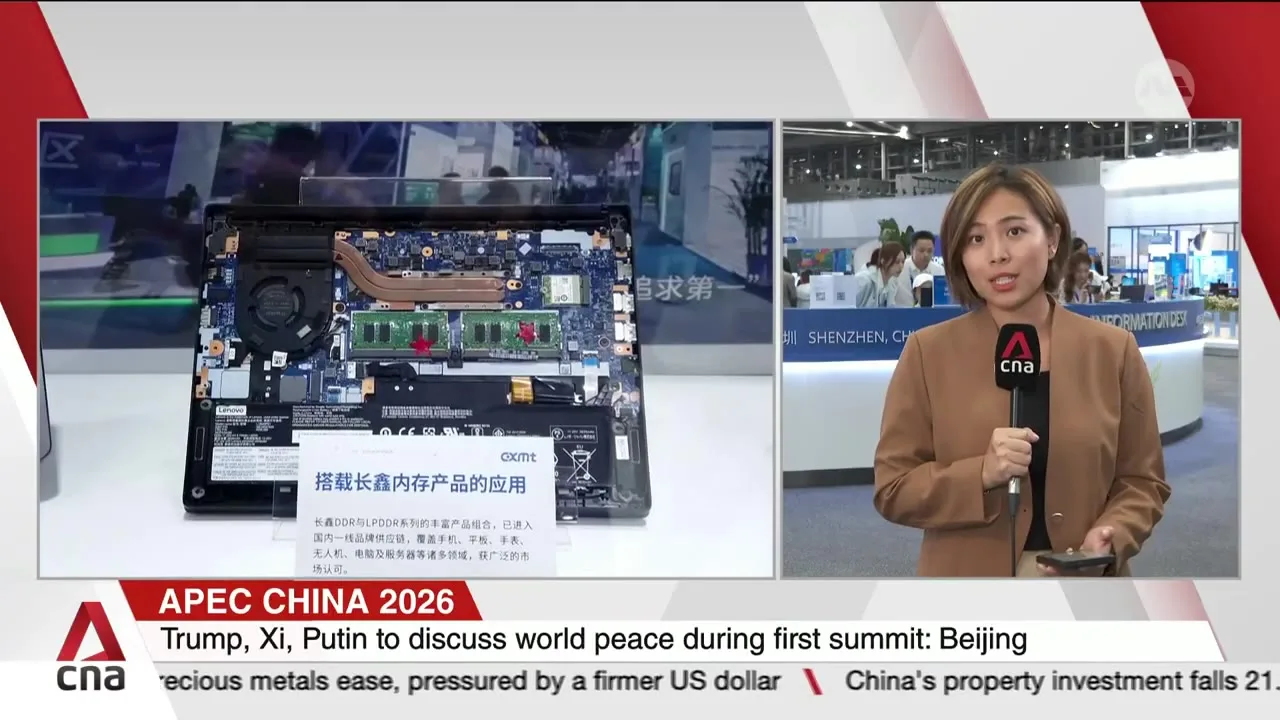
China reached nearly 50 outcomes in economic and trade cooperation with Asia-Pacific Economic Cooperation members during its year as host, China's vice commerce minister and lead trade negotiator said.
The effort included support for the World Trade Organization and proposals to coordinate trade policies and rules. Details remained open on bilateral negotiations with the United States and differences over artificial intelligence.
The remarks came ahead of leaders' meetings in Shenzhen, CNA reported in a broadcast published Nov. 16. China presented the cooperation outcomes as achievements of its own hosting year.
US and Chinese trade officials met the previous Friday, with discussions focused on expanding areas of cooperation and reducing the number of issues dividing them. Talks continued on agricultural exports and Chinese rare earth exports.
The minister did not give further details about those discussions or preparations for the forthcoming summit between the US and Chinese presidents. The account provided no further information about the export talks.
He referred to geopolitical tensions while explaining China's support for free trade. He also discussed China's promotion of a proposed free trade agreement document intended to improve coordination of policies and trade rules.
The proposals were expected to undergo further work during the leaders' meeting. No final terms for that document were given, leaving its eventual content open ahead of the discussions in Shenzhen.
Artificial intelligence also featured in the account of China's agenda. Asked how the region could reach agreement given differing views, particularly between Washington and Beijing, the minister did not explain how China would address those differences.
China is promoting a regional framework for digital trade. Its priorities include cross-border online commerce and sharing practices for transferring data, areas where governments' rules affect how businesses operate across national boundaries.
The technology discussions follow a July consensus document in which APEC economies agreed to cooperate on responsible use of artificial intelligence in manufacturing and services. That agreement also covered making the technology accessible to small businesses.
Shenzhen provides a business setting for China's technology agenda. The city has 26,000 high-tech firms and is home to Tencent, Huawei and BYD, according to CNA. Chinese business participation in the associated summit had not been confirmed.
The unresolved questions include how China would bridge competing approaches to artificial intelligence and what the proposed trade document would ultimately contain. The minister also left the agricultural and rare earth negotiations without further public detail.