China’s first-batch 2024 rare-earth quotas went to two group recipients, and one later reported higher 2025 revenue and profit as prices and sales volumes rose, showing how state allocations shape upstream supply.
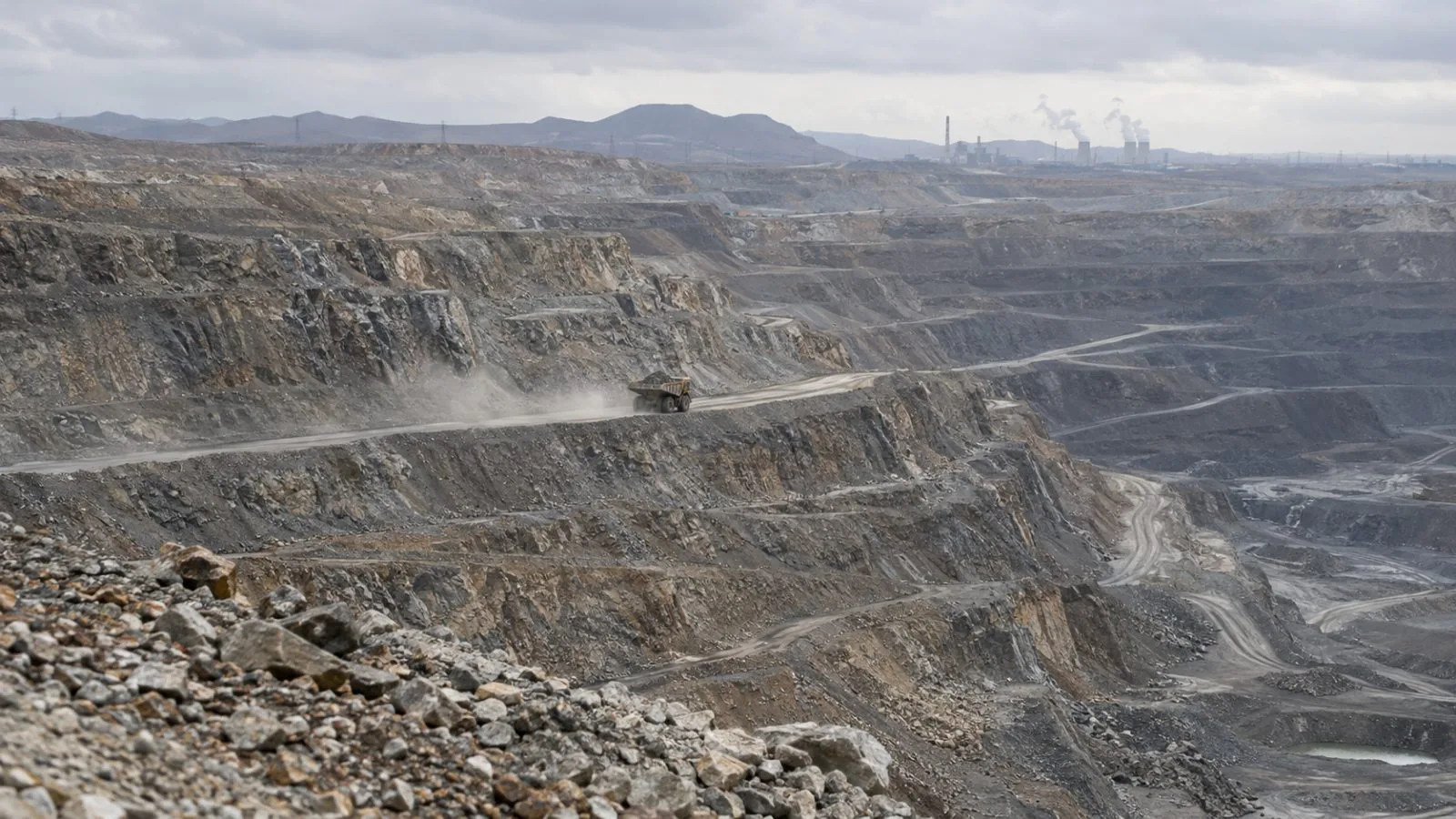
The Ministry of Industry and Information Technology (MIIT) listed total allowances of 135,000 metric tons for mining and 127,000 metric tons for separation, both measured in rare-earth oxide equivalent. China Northern Rare Earth (Group) High-Tech Co. Ltd. received 94,580 metric tons of light rock-type mining quota and 88,010 metric tons for separation. China Rare Earth Group Co. Ltd. received 30,280 metric tons of light rock-type and 10,140 metric tons of ionic-type mining quota, plus 38,990 metric tons for separation. MIIT describes ionic-type deposits as mainly medium and heavy rare earths.
China’s Rare Earth Management Regulation took effect Oct. 1, 2024, and provides for total-quantity controls on mining and separation. China Rare Earth Group was established on Dec. 23, 2021, after rare-earth assets were transferred from China Minmetals, Aluminum Corp. of China and the local government of Ganzhou. The State-owned Assets Supervision and Administration Commission of the State Council (SASAC) said it would exercise investor responsibilities for the group on the State Council’s behalf.
A 2023 prospectus listed SASAC’s stake at 31.21%. China Aluminum Group, China Minmetals Corp. and Ganzhou Industrial Investment Holding Group each held 20.33%, while China Iron & Steel Research Institute Group and China Nonferrous Metals Tech Group each held 3.90%.
ChinaTalk attributes the division between the groups partly to deposit locations and efforts to consolidate assets controlled by local authorities. Its analysis describes an earlier mid-2010s industry structure involving six groups. ChinaTalk links quota controls to environmental damage from unregulated rare-earth mining, including water pollution and landslides.
China Northern Rare Earth reported 2025 revenue of ¥42.563 billion, up 29.11% from 2024, and net profit attributable to shareholders of ¥2.251 billion, up 124.17%. The company cited higher overall rare-earth prices and increased sales volumes for its main products. The quota table covers mining and separation allowances; it does not show the groups’ shares of recycling, magnet production or other downstream activity.