


 Apple Cuts iPhone 18 Pro Production Orders Amid Weak Demand
  OpenAI Revenue Hits $50 Billion, Below Earlier $70 Billion Estimate
  Starbucks Explores Chipotle Acquisition as Shares Swing
  David Schwartz to Reveal XRP Ledger Future at Ripple Swell 2026
  Ledger Investigates Alleged $86 Million Crypto Wallet Theft
  US Suspends Microsoft, Adobe From Green Card Program
  Elon Musk Accuses Indian Telecom Giants of Blocking Starlink Launch
  Xiaomi Shares Surge 7.6% as SkyNomad EV Orders Hit 70,000
  Polkadot Launches dotUSD Stablecoin as DOT Price Falls
  TSMC Q3 Revenue Beats Estimates as AI Chip Demand Surges
  Zcash Plans Quantum-Resistant Security Upgrade for January
  Moscow Exchange to Launch Crypto Trading on December 1
  Solidigm Taps Goldman, Morgan Stanley for $10 Billion US IPO
  Tencent Shares Fall as $5 Billion AI Bond Sale Weighed
  DWF Labs Sues BitGo for $114 Million Over Alleged Token Sales Breach
  EU Gives Crypto Platforms Three Months to Remove USDT Under MiCA Rules
  Anthropic Launches Claude Dashboards and Motion AI Tools


 Add as a preferred source on Google
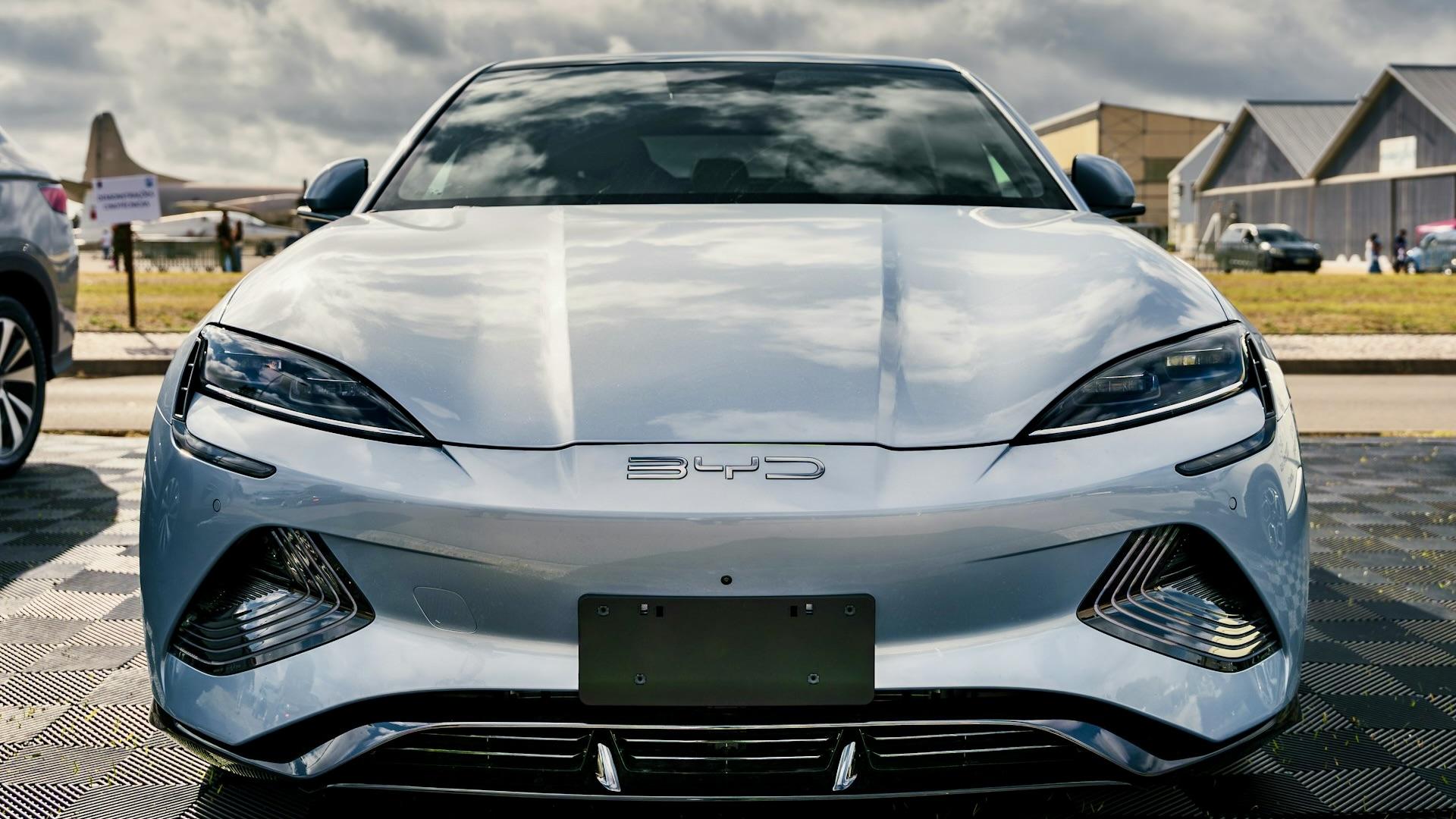
European attitudes toward Chinese automakers are undergoing a dramatic transformation. A new survey of 4,400 drivers across the continent, conducted by Horváth & Partner and reviewed by Bernstein, found that 55% of Europeans are now open to buying a Chinese-branded vehicle — a significant leap from just 43% in late 2023.
Perhaps even more telling is the collapse of outright resistance. Only 21% of respondents said they would refuse to consider a Chinese brand, down sharply from 46% just two years ago. This signals not just growing curiosity, but a genuine erosion of the skepticism that once shielded legacy automakers from Eastern competition.
Southern and Eastern Europe are leading the charge. Spanish and Hungarian consumers show the highest openness at 75%, followed by Italian drivers at 64%. Even Germany — home to Volkswagen, BMW, and Mercedes — is seeing a notable shift, with 46% of consumers now willing to consider Chinese alternatives despite the country's historically strong domestic brand loyalty.
The driving force behind this change is what analysts call a "value gap." Chinese manufacturers have invested heavily in battery technology, software integration, and in-car connectivity, offering features that European brands still price at a premium. Brands like BYD, MG, and NIO are increasingly seen as leaders in the metrics that modern drivers actually care about — charging speed, battery range, and digital infotainment systems.
Trust in the automotive sector is being redefined. While safety and reliability remain top priorities, tech-forward features are climbing fast in consumer decision-making. Reinforcing this trend, 13% of surveyed drivers said they would "definitely" purchase a Chinese vehicle — double the figure from two years prior.
For established European automakers, the window to respond is narrowing. Chinese brands are no longer a fringe option. They are becoming a mainstream choice, and the real competition now centers on technology leadership and brand credibility.







