Commerzbank entered talks on combining businesses with UniCredit from a position of strength after third-quarter net profit rose 45%, the German bank's chief executive said in an interview published Nov. 5.
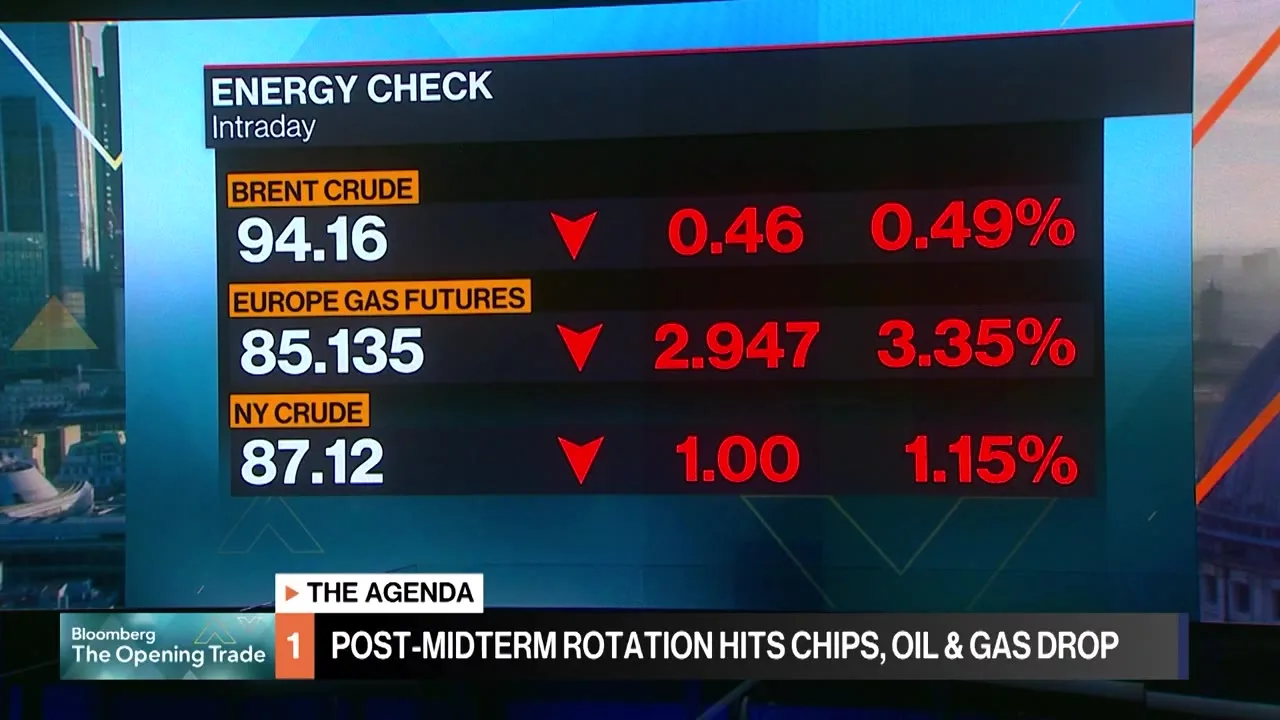
The bank also achieved its highest net income and operating income for the first nine months of a year. The remarks came on Bloomberg Television's The Opening Trade.
Revenue and net commission income each grew 8%, supported by tight control of costs. The bank kept its full-year forecast unchanged, with the chief executive expecting another record annual result despite uncertainty surrounding the business.
“We can act out of a position of strength,” she said.
Teams from both banks have started preparing for UniCredit to include Commerzbank in its group accounts once regulators approve. Risk and finance teams are concentrating on that work, while senior executives are discussing their businesses, plans and opportunities to create value together.
Commerzbank expects to continue operating as an independent bank during the next phase and to compete with UniCredit. Cooperation could nevertheless bring savings through purchasing, where the larger Italian group's size could help secure better terms.
The banks could also combine parts of their international networks to increase revenue. Some operations overlap, while others offer different strengths, and each bank has product platforms that the other could use.
Discussions on those opportunities will intensify after regulatory approvals arrive. The chief executive did not identify which initiative UniCredit would pursue first, leaving that question to its leadership.
She described creating value for stakeholders as a shared objective and identified artificial intelligence projects as work that needed to continue. She also put retaining customers, preserving the services offered to them and maintaining staff morale among the priorities during the transition.
Turning to deposits, she rejected a link between withdrawals and concern about the takeover. Commerzbank deliberately accepted some outflows because it chose against matching competitors' deposit offers carrying interest rates well above 4%.
That decision favoured profitability over retaining those deposits. She did not provide an amount for the decline in her answer.
The mortgage market has become more stable after property prices fell, although demand has recovered only partly and remains below earlier levels. Inflation has also made housebuilding more expensive, affecting conditions in the market.
Asked about the possibility of a shareholder meeting and changes to the supervisory board or management, she said the bank must always be ready to organise a meeting at a shareholder's request.
She gave no specific plan for possible leadership changes. Management's daily work continues to centre on improving profitability, strengthening its services and serving customers, with that task unchanged in recent weeks.