Cryptocurrency exchanges will separate trading from the safekeeping of customer assets after a roughly $6 billion theft at Binance, the chief executive of a cryptocurrency custody company said.
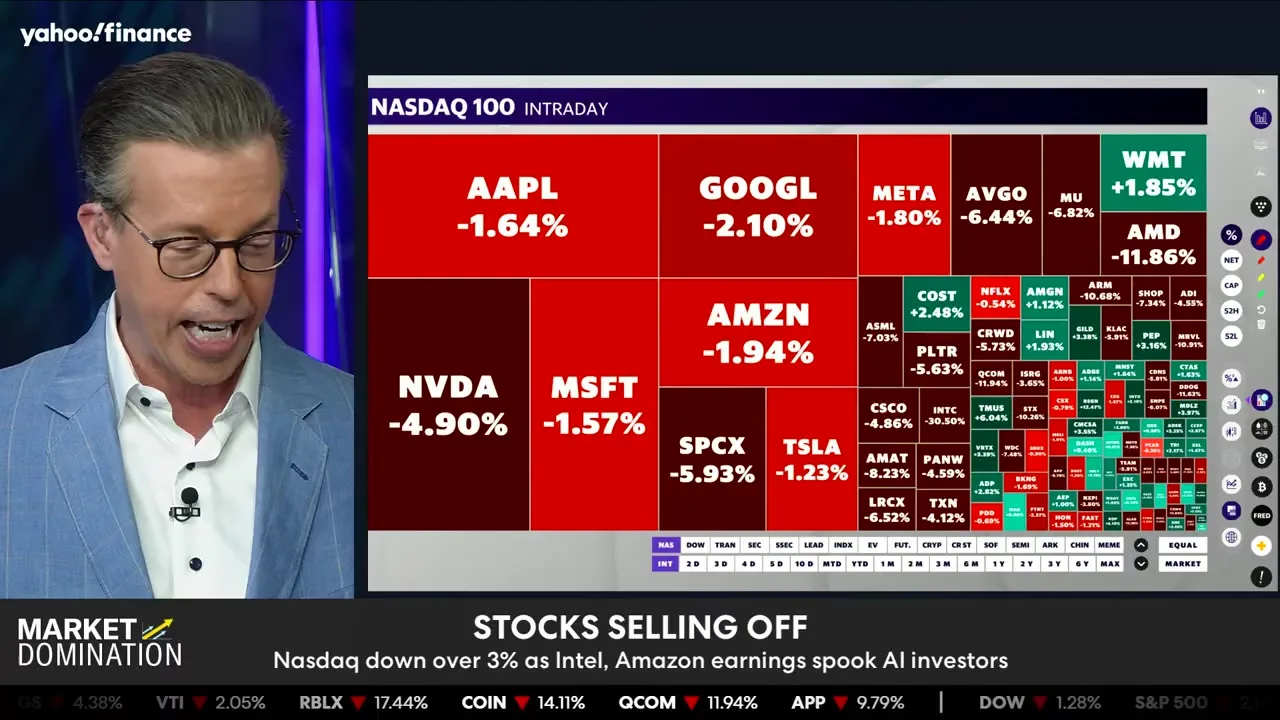
The change would give specialist firms responsibility for protecting assets while exchanges concentrate on trading and attracting customers. The executive spoke on Yahoo Finance's Market Domination, published Oct. 30.
About half the stolen funds had already been seized and might be recovered, he said. Binance had promised to cover the full cost, limiting the damage to customers.
He compared that commitment with customer reimbursement promises following attacks at Bitget and Bybit. He said Bitcoin had held up relatively well against a broader decline in financial markets.
He rejected the suggestion that early accounts of the attack established how Binance's security had failed. He described its security team as capable but said the theft would cost the exchange dearly.
The discussion then turned to the Clarity Act, legislation addressing how cryptocurrency markets operate. He said it had not passed this year and argued that political disputes had delayed investor protections.
He expected institutions to push the industry toward separating trading from custody, the business of holding and protecting customers' assets, without waiting for a legal requirement.
“Institutions require it,” he said.
He described his company's use of wallets requiring multiple approvals and other security systems intended to prevent a single failure from exposing customer funds. He said its custody business keeps all client money in cold storage, which holds assets offline.
Another safeguard involves understanding exactly what a transaction authorises before approving it. A system that cannot interpret those instructions can approve a transaction inserted by an attacker, he said.
His company sells services that let customers trade while keeping assets away from exchanges. It also offers arrangements involving a third party to manage assets pledged to support transactions.
He expected those services, already used by institutions, to spread to exchanges serving individual customers. He gave no timetable for that shift.
“I don't think we're going to get Clarity Act anytime soon,” he said.
He argued that protecting assets and operating an exchange require different skills. An exchange focused on bringing in customers can struggle to give asset security the same attention as a specialist custody business.
Asked about Bitcoin's prospects, he linked his optimism to government debt and spending. He argued that continued spending would erode the value of government-issued currencies and lift Bitcoin's price in dollars.
He expected the next 12 months to be positive for digital assets, even if traditional markets suffered further losses. He offered no price target and said he could not predict whether gains would come next month or next quarter.