Among 31 older adults, a 16-week peanut phase was followed by a weaker brain blood-flow reaction to insulin in one region, but the study does not show reduced dementia risk.
The randomized crossover study, published in Food & Function, enrolled adults with a mean age of 67 ± 4 years. Each participant completed a 16-week peanut phase and a 16-week no-peanut comparison phase, with an eight-week break between periods. The daily portion was 60 grams of unsalted, skin-roasted peanuts.
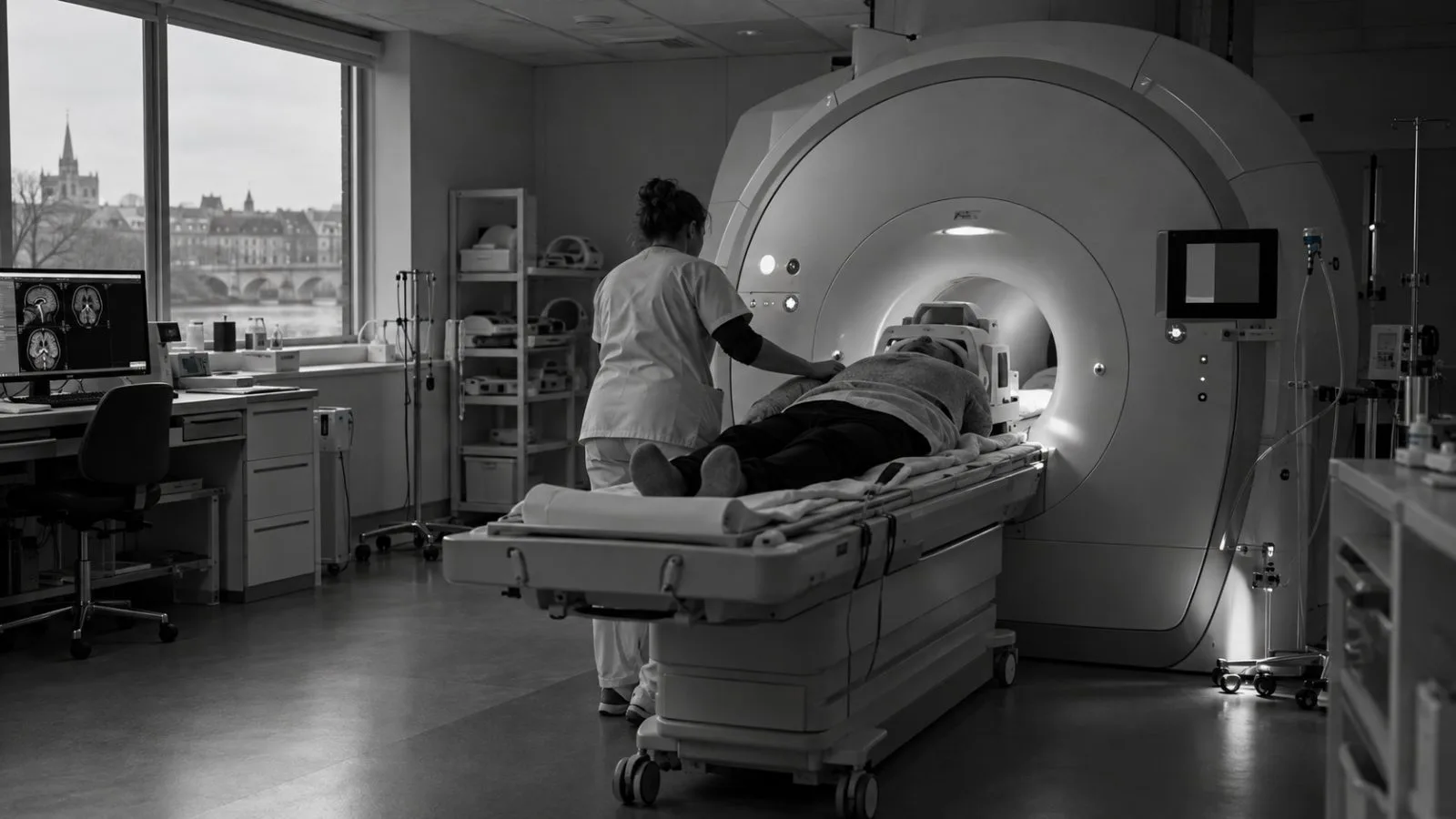
Researchers measured cerebral blood flow with arterial spin-labeling MRI after administering insulin through the nose. In one region on the right side of the brain, the insulin-related response was lower after the peanut phase. The reported difference was −5.4 ± 5.4 milliliters per minute for every 100 grams of tissue.
Atlas comparisons gave the region a 20% probability of matching the lingual gyrus, 14% the hippocampus, 11% the parahippocampal gyrus, 2% the thalamus and 1% the posterior cingulate gyrus.
The authors described the result as potentially beneficial for regional insulin responsiveness. The scan measured blood flow following an insulin challenge, rather than everyday memory performance. The 2026 study abstract did not provide a memory-test score or dementia outcome. Researchers also reported no change in liver fat or measured markers of glucose regulation, lipid metabolism and low-grade systemic inflammation.
A 2025 paper in Clinical Nutrition analyzed the same registered trial. It reported a 3.6% increase in global cerebral blood flow and a 5.8% improvement in delayed verbal recall during the peanut phase, while measures of executive function and psychomotor speed showed no improvement. Because the papers used the same trial registration and protocol, the earlier findings are related analyses rather than an independent replication.
The Peanut Institute Foundation funded the 2026 study. In a release, the foundation said it had no role in the study’s design, conduct, analysis or interpretation, or in preparing the manuscript.