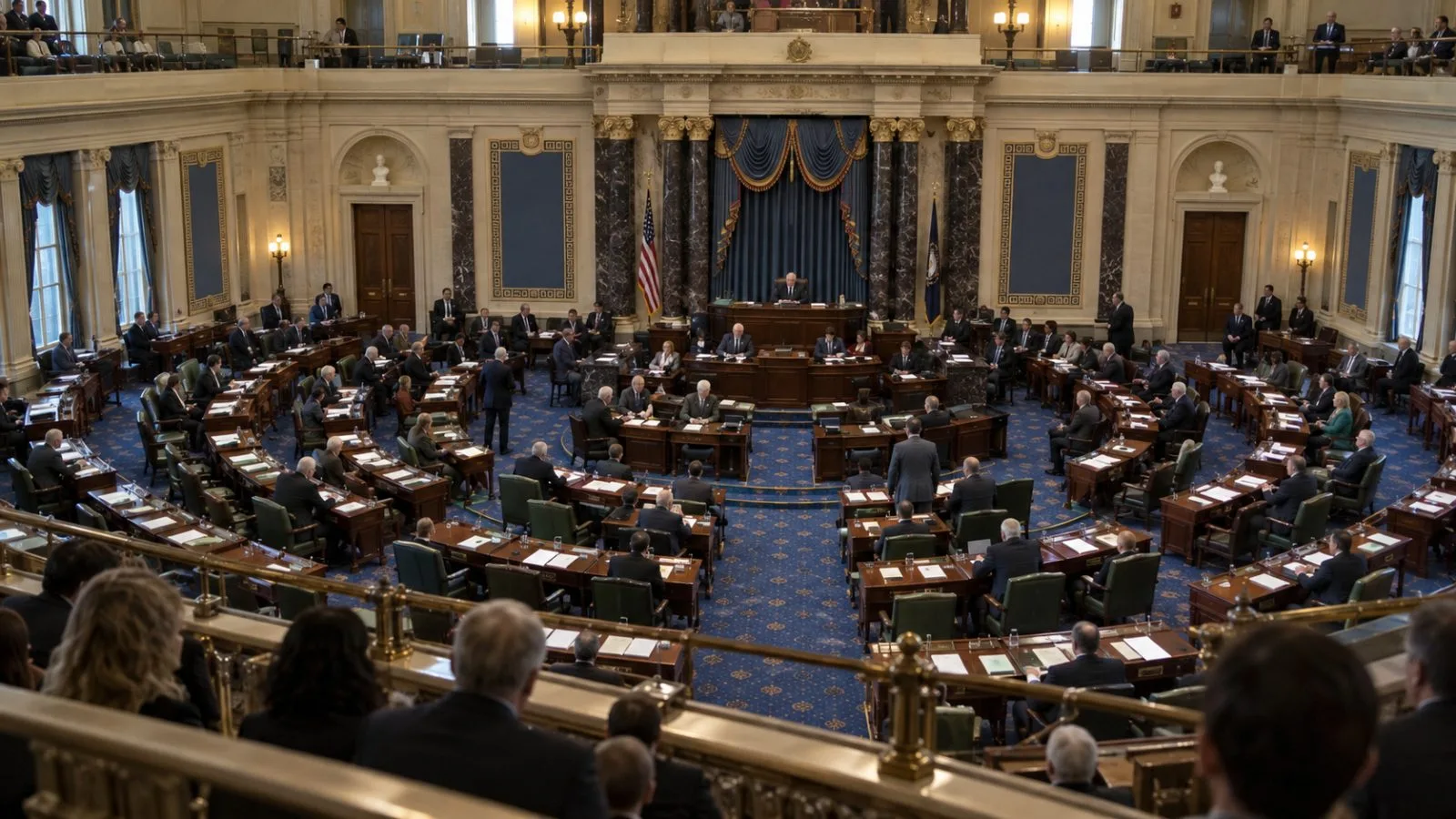
The DeFi Education Fund and Andreessen Horowitz want the Securities and Exchange Commission to create a safe harbor for qualifying decentralized trading software, seeking clearer limits on when developers must register as exchanges.
In a Sept. 14, 2026, letter, the advocacy organization and venture capital firm proposed a rebuttable presumption against exchange registration for eligible protocols and the apps that connect users to them. The SEC could challenge that presumption if a qualifying system still presents risks addressed by exchange rules.
Protocols would generally need to keep assets under users’ control, operate automatically and permit access without approval. Their design could not give particular users or activities built-in advantages. The letter also proposes limited eligibility for a protocol working toward decentralization in good faith while its activity remains below a specified threshold.
Apps would have to be noncustodial and leave transaction choices to users. Their market data would need to rely on disclosed, objective parameters that can be independently checked. Developers could maintain interfaces, make security fixes and technical upgrades, and use neutral, disclosed filters for assets.
The applicants say the distinction turns on whether software helps users arrange their own trades or an operator exercises discretionary control. They argue that mandatory registration would put third parties back into these systems, raising users’ costs and exposure to those parties. Clearer criteria, they say, would also help developers determine their obligations. The letter points to earlier private securities trading without a registered intermediary as a precedent.
The proposal assumes eligible apps could be used for securities transactions, but it does not classify any particular crypto asset as a security.
An April 13, 2026, SEC staff statement addressed a different registration question. Staff said it would not object to certain interfaces operating without broker-dealer registration if they meet specified conditions for preparing crypto asset securities transactions through self-custodial wallets. That statement did not establish the exchange-registration safe harbor sought in the Sept. 14 letter.
The applicants asked for SEC staff guidance first and identified formal rulemaking as a possible later step. Their letter sets no deadline for either action.