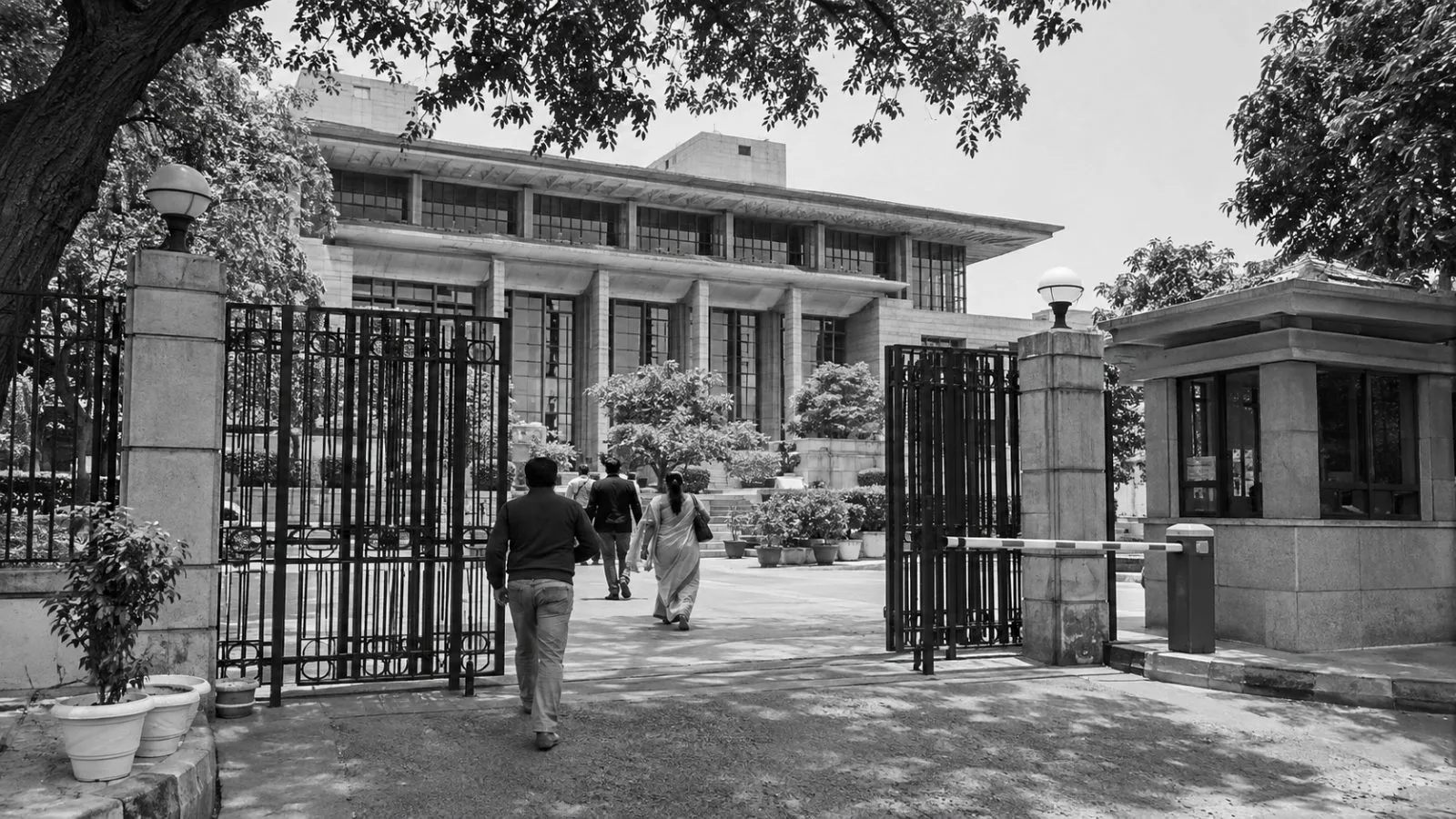
The Delhi High Court ruled that Reshma was entitled to railway compensation after falling while trying to leave a moving train, sending her case back for the amount to be assessed.
In its May 6, 2026, judgment, the court set aside a Dec. 20, 2019, decision by the Railway Claims Tribunal’s Principal Bench that had upheld the rejection of her claim. The Ghaziabad tribunal had denied compensation on May 24, 2019, despite accepting her as a genuine passenger.
Reshma had a valid ticket from Kashipur to Pipalsana on the Kashipur–Moradabad Passenger Train on Dec. 5, 2015. She fell while getting off at Pipalsana. The judgment says she lost her left leg below the knee, and a disability certificate rated her permanent disability at 55%.
The tribunal treated her attempt to leave the moving train as making the injury self-inflicted. The High Court rejected that reasoning, finding that the attempt alone did not trigger the Act’s exception for self-inflicted injury. It also accepted the appeal despite a 598-day filing delay, citing Reshma’s financial hardship and difficulty obtaining timely legal advice.
A station diary entry from the day of the accident recorded that a woman fell from Train No. 55312 shortly after it left Pipalsana and was taken to hospital. The court found this account more persuasive than statements from the train’s Loco Pilot and Guard that they had not seen an incident.
The Railways Act classifies an accidental passenger fall as an “untoward incident” under Section 123(c). Section 124-A requires the railway administration to pay compensation regardless of fault, subject to exceptions specified in the law. The judgment also referred to Supreme Court rulings in Union of India v. Rina Devi (2019), Jameela v. Union of India (2010) and Union of India v. Prabhakaran Vijaya Kumar (2008).
The High Court directed the Tribunal to assess compensation and direct the authorities concerned to disburse it within two months after receiving the judgment. It set no amount and directed the case to be listed before the Tribunal on May 15, 2026.