Germany’s economy likely stagnated in the third quarter of 2026, the Deutsche Bundesbank said, as low Rhine water levels and other temporary pressures weighed on activity while higher energy costs squeezed households.
The Federal Statistical Office (Destatis) said annual inflation, measured by the Harmonised Index of Consumer Prices (HICP), rose to 3.3% in September from 2.9% in August. That was the highest rate since December 2023.
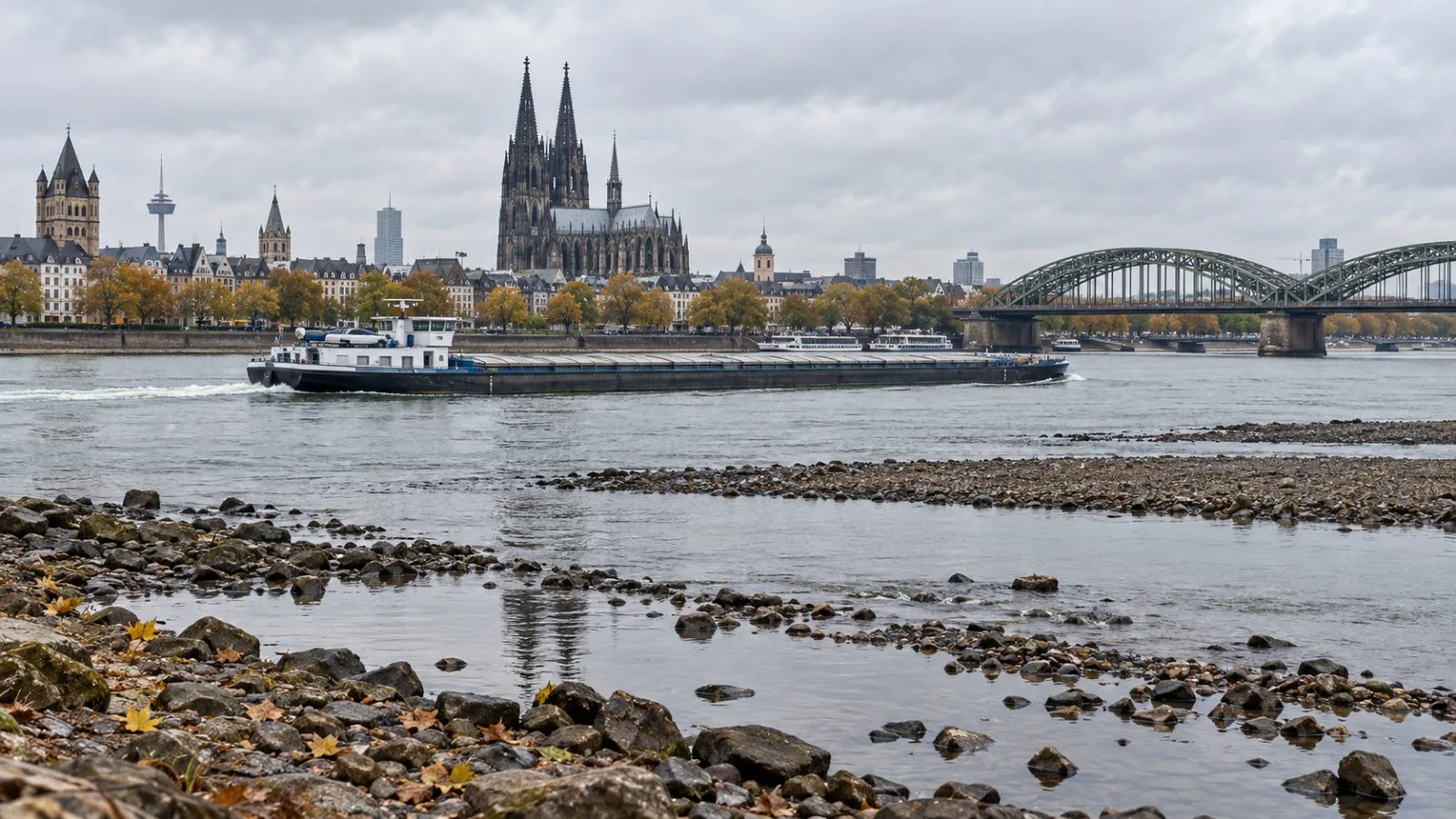
The Bundesbank identified low water levels on the Rhine, a fading competitive advantage and effects tied to fuel rebates as the main temporary drags on output. The economy had grown in the first half of the year.
The bank also linked the rise in inflation to energy prices amid the continuing conflict in the Middle East. With those costs reducing household purchasing power, it said private consumption was unlikely to support third-quarter growth.
The Bundesbank expects higher energy costs to spread gradually into prices for food, services and non-energy industrial goods, keeping inflation elevated in the coming months. Its inflation analysis drew on the delayed spread of the 2022 energy-price shock as a precedent.