The International Federation of Red Cross and Red Crescent Societies (IFRC) is urging governments to strengthen adaptation and disaster readiness ahead of COP31, citing projected reductions in developing-country economic losses.
An updated analysis prepared for the IFRC and the World Wide Fund for Nature (WWF) estimates nature-based solutions could reduce the intensity of climate- and weather-related hazards by about 31% on average. It projects developing countries could avoid at least $148 billion in annual economic losses by 2030 and $577 billion a year by 2050.
The federation’s proposals pair nature-based solutions with investment in public preparedness. It wants climate-resilient health systems, more adaptation funding for local communities and early-warning systems backed by resources that let people act on alerts. The IFRC also called on governments to fulfill a COP30 commitment to triple adaptation finance by 2035 and send more funding to local organizations and communities.
The IFRC says communities facing poverty, conflict or displacement often bear the greatest impacts from extreme heat, floods, droughts and storms. It also cited expectations of a stronger El Niño that could intensify extreme weather in the coming months.
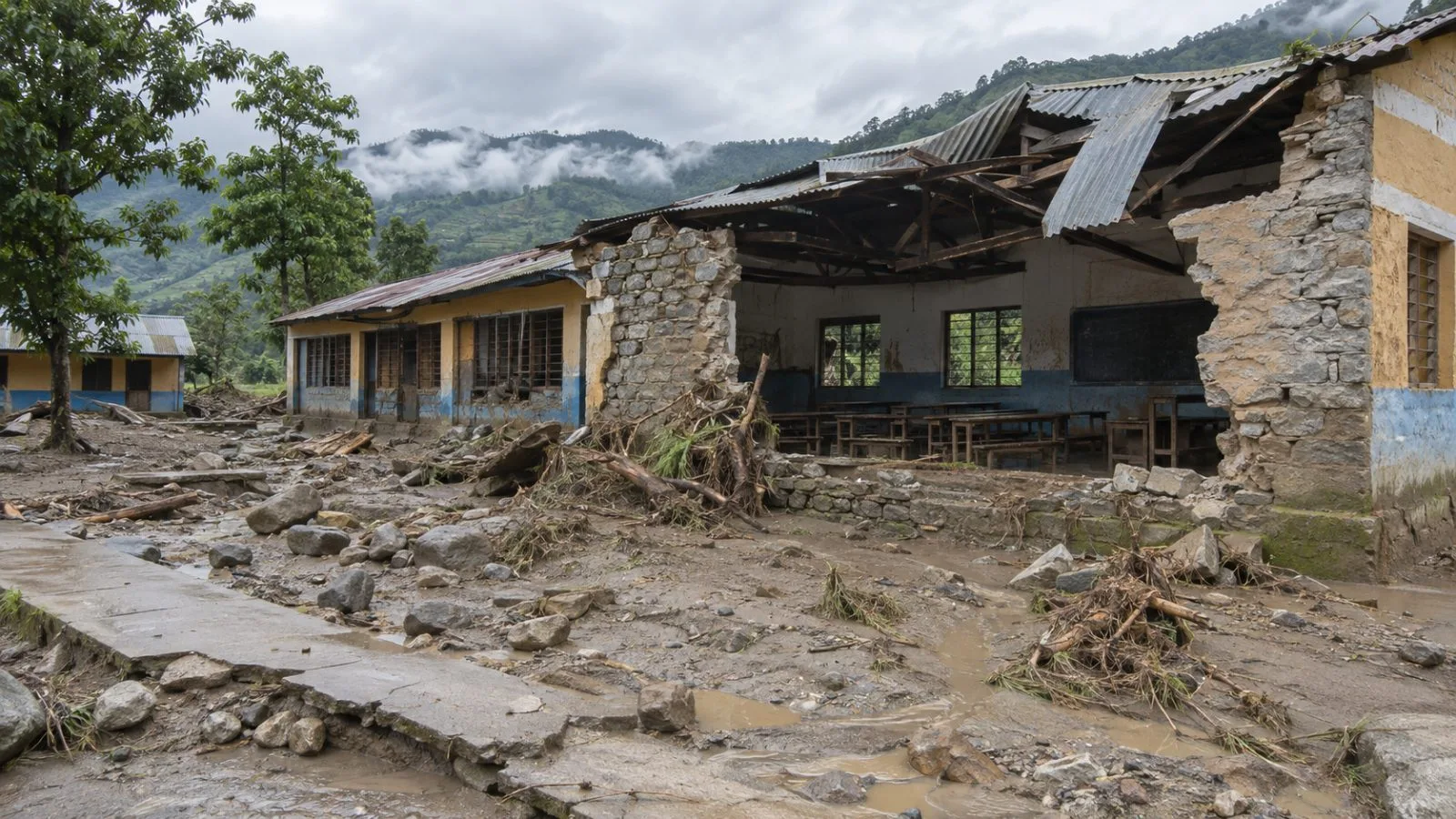
In Nepal, a head teacher trained by the Nepal Red Cross Society evacuated 1,600 students to higher ground nine minutes before a flash flood struck. The school was destroyed, but all the children survived, the IFRC said.
IFRC Secretary General Jagan Chapagain said preparedness spending can reduce post-disaster response costs. “Investing in preparedness … can also significantly reduce the costs of responding to disasters after they strike,” Chapagain said.
COP31 is scheduled to run from Monday, Nov. 9, through Nov. 20 in Antalya, Türkiye.