


 Oil Prices Jump Nearly 3% as Iran Holds Firm on Hormuz Conditions
  Hong Kong Home Prices Stabilize in August After July Decline
  Australia Budget Deficit Narrows to A$22.3 Billion on Stronger Tax Revenue
  Fed’s Williams Signals One More Rate Hike Before Year-End
  Asian Chip Stocks Tumble as OpenAI Safety Pause Sparks AI Growth Concerns
  Oil Surge Pressures Global Stocks as U.S.-Iran Truce Hopes Fade
  Asian Stocks Fall as Oil Surge, Bond Yields and AI Concerns Hit Markets
  Gold Slides Below $4,300 as Oil Surge Fuels Fed Rate Hike Bets
  Europe’s AI Data Centre Boom Strengthens Case for Nuclear Power
  South Korea Exports Set for 16th Monthly Gain on AI Chip Demand
  Asian Currencies Mixed as Yen Weakens, RBA Hike Looms
  RBA Set for September Rate Hike as Inflation Stays High
  Gold Rebounds as Oil Falls and Treasury Rout Eases
  U.S. Stock Futures Fall as Iran, Oil and AI Risks Rattle Markets
  BlackRock’s Rick Rieder Favors Bonds Over Stocks as Treasury Yields Surge
  US Dollar Hits Two-Month High as Aussie, Pound Slide


 Add as a preferred source on Google
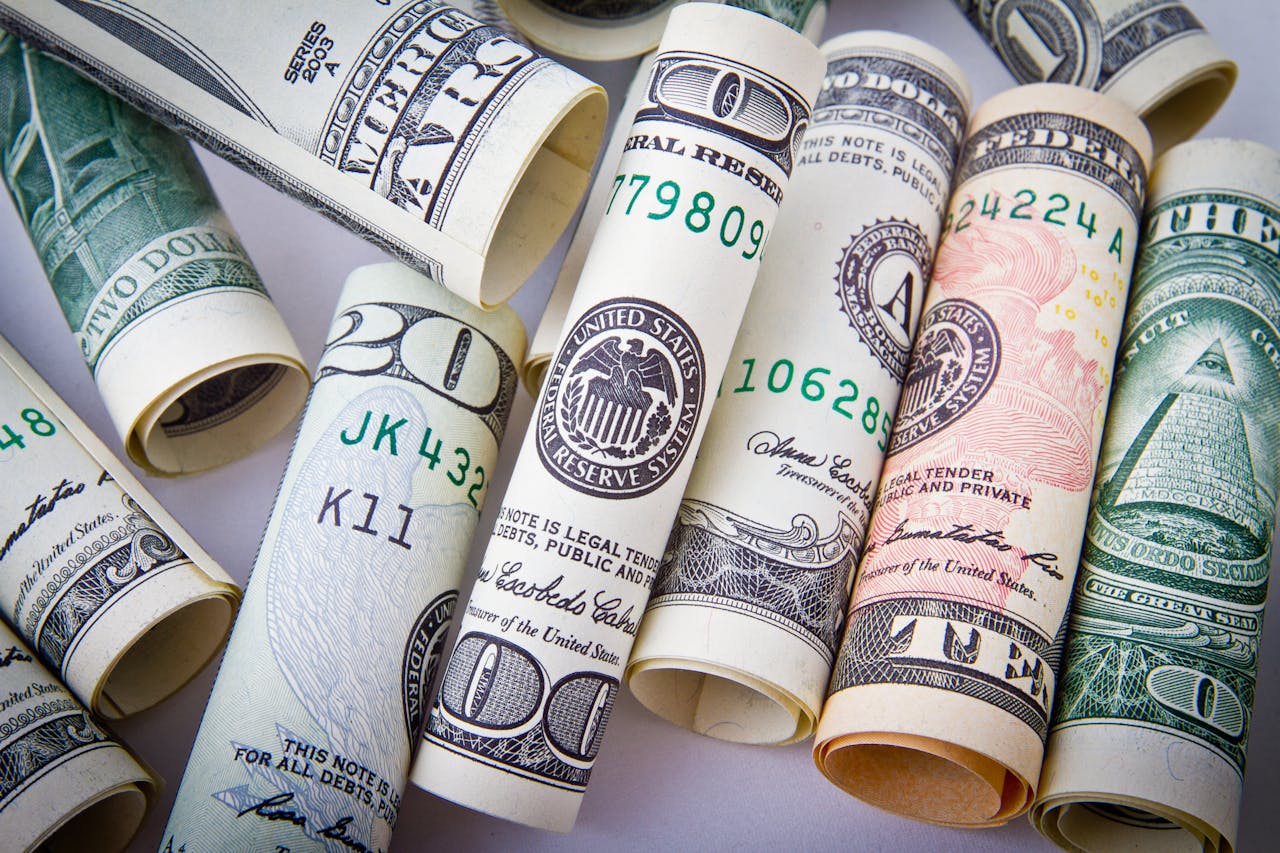
The U.S. dollar traded close to a six-week low on Thursday as investors remained cautious ahead of the highly anticipated U.S. nonfarm payrolls report, while the Japanese yen struggled to maintain gains following recent government intervention.
The yen traded around 157.71 per dollar after weakening for a second consecutive session. Although it has retreated from Monday's peak of 155.20, the Japanese currency remains significantly stronger than last month's multi-decade low near 164 per dollar, supported by intervention from Tokyo and coordinated efforts with Washington.
The dollar index, which measures the greenback against six major currencies, hovered around 99.65 with little movement as traders awaited fresh economic signals. The euro held steady at $1.1557, while the British pound traded at $1.3469. The Australian and New Zealand dollars also remained largely unchanged.
Market sentiment was shaped by uncertainty surrounding reports of a proposed U.S.-Iran agreement. According to Reuters, the proposal, reportedly involving Oman, could give Iran authority over inbound traffic through the Strait of Hormuz. While President Donald Trump said a deal to reopen the vital shipping route was close, U.S. officials have maintained they would not accept Iranian control over access to one of the world's most important energy corridors.
Oil prices reflected the cautious mood, with Brent crude slipping 0.5% to $79.08 per barrel as traders assessed geopolitical developments.
Attention also remained on the Bank of Japan after minutes from its June policy meeting showed officials were increasingly concerned about inflation risks. The discussion strengthened expectations that the BOJ could deliver another interest rate hike as early as September. However, a recent Reuters survey found that nearly 95% of economists believe currency intervention alone cannot provide lasting support for the yen without additional monetary tightening.
Investors are now focused on Friday's U.S. employment report, which is expected to show nonfarm payrolls increased by 80,000 jobs in July after a gain of 57,000 in June, while the unemployment rate is projected to remain at 4.2%. The data could influence expectations for the Federal Reserve's next interest rate decision after Governor Lisa Cook signaled the central bank may still need to raise rates if inflation remains elevated.







