Douyin chatbot links accounted for about 5% of purchases on the Chinese platform in October, as retailers added artificial intelligence (AI) tools to the Singles Day shopping season.
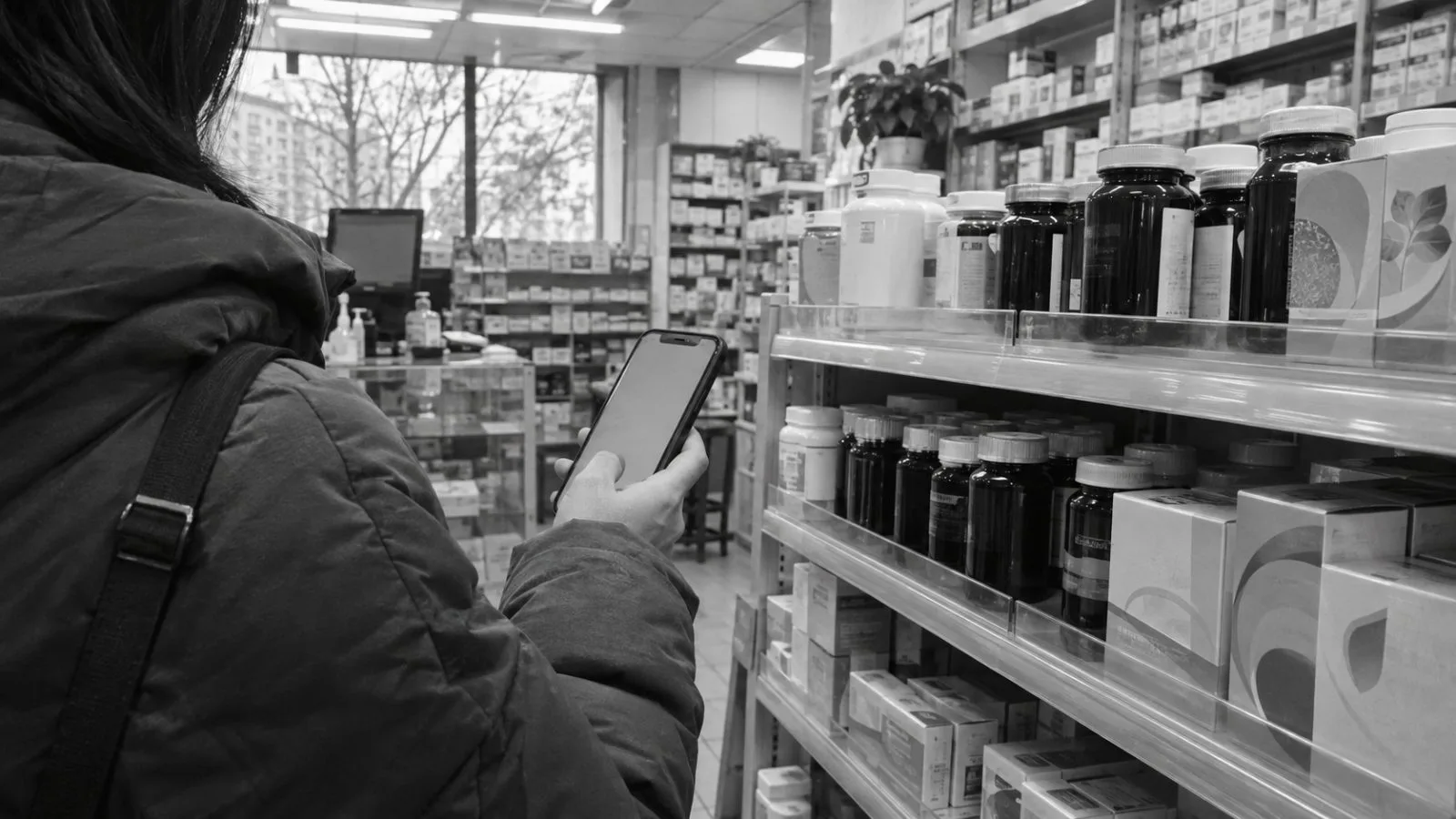
WPIC Marketing + Technologies estimated that the share topped 20% for supplements, which it grouped among purchases shoppers consider carefully. Chief executive Jacob Cooke said the channel is still developing and expects it to represent a larger share of purchases made directly through the platform.
Data provider Syntun reported a 2.4% rise in sales it tracked for Singles Day over Oct. 7-31, but did not specify the comparison baseline. China’s retail sales were up 1.1% year to date through the end of September, a different measure covering a different period.
Platforms spread Singles Day promotions across roughly a month, with each service choosing its own start date. JD.com said nearly 80 million people sought advice from its Dongdong shopping assistant during the 2026 campaign, more than triple the number it reported in 2025.
Alibaba said its AI toy category passed 100 million yuan (S$19 million) in sales within a year of launch. The company also reported that sales of AI companion robots in the latter half of October were almost five times their level a year earlier, without giving a unit total. Tmall said AI token sales rose more than 700% for Oct. 15-Nov. 5 compared with Sept. 15-Oct. 5. The tokens are computing units people buy to use AI models.
Reuters reported that China’s super-app model puts shopping functions within broader digital services. It also said it was too early to tell whether AI shopping would lift consumers’ overall spending. China Market Research Group managing director Ben Cavender told Reuters that platform settings and brand pricing can affect which sellers shoppers see. He said brands risk losing visibility when customers let AI assistants choose products.
Syntun is scheduled to release an updated figure for the full event Thursday, Nov. 12.