


 S&P 500 Futures Rise Ahead of US Inflation Data and Bank Earnings
  Wall Street Falls as Hot US Inflation Fuels Fed Rate Hike Bets
  RBA Signals More Rate Hikes as Inflation Risks Rise
  BOJ Signals Faster Rate Hikes as Inflation Risks Grow
  Philippines Current Account Deficit Seen at $19.1 Billion in 2026
  Oil Prices Surge Above $106 After Deadly Saudi Airport Attack
  RBA Hikes Interest Rate to 4.60% as Inflation Risks Rise
  Wall Street Closes Lower as Bank Earnings and AI Concerns Weigh
  Fed's Hammack Urges Faster Rate Hikes to Fight Inflation
  Fed Unveils Stablecoin Rules Under GENIUS Act
  US Dollar Slips From 18-Month High Ahead of Key Inflation Data
  Gaza Olive Harvest Collapses as War Destroys Farmland
  RBI Rate Hike Bets Surge as Inflation Rises
  IMF Warns US Debt Crisis Needs Fiscal Action, Urges China to Boost Consumption


 Add as a preferred source on Google
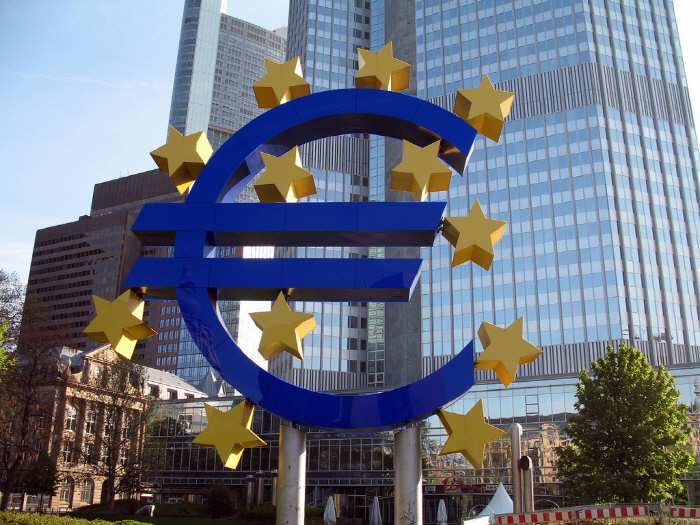
The European Central Bank (ECB) is widely expected to leave interest rates unchanged at its July 23 policy meeting, but rising geopolitical tensions and higher oil prices are keeping the possibility of another rate hike later this year firmly on the table.
Economists at ING and UBS both forecast that the ECB will maintain its deposit rate at 2.25% next week. However, they believe policymakers will closely monitor developments in the Middle East and their impact on inflation before making any decisions at the September meeting.
According to ING, the ECB is unlikely to raise rates in July, although a surprise 25-basis-point increase cannot be completely ruled out. The bank noted that the recent rebound in crude oil prices has restored inflation conditions that were reflected in the ECB’s June projections, which assumed at least two additional rate increases.
Despite the stronger energy outlook, ING said softer-than-expected June inflation data and limited signs of broader price pressures have reduced the urgency for immediate tightening. Still, some hawkish ECB officials may prefer acting sooner, particularly if energy prices retreat before September and weaken the case for another increase. ING continues to expect the next rate hike to come in September.
UBS also expects the ECB to keep rates unchanged while maintaining its data-dependent, meeting-by-meeting approach without providing firm guidance on future policy. The bank still forecasts a 25-basis-point increase in September, which would lift the deposit rate to 2.5%.
However, UBS acknowledged that recent inflation data and comments from ECB policymakers, including Pierre Wunsch and Martins Kazaks, have lowered confidence in that forecast. At the same time, markets have increased expectations for further monetary tightening as geopolitical risks intensified and energy prices climbed.
In addition to interest rate decisions, UBS said investors will be watching for updates on the ECB’s proposal to raise banks’ minimum reserve requirement from 1% to 2%. The bank estimates the change would reduce excess liquidity in the financial system by roughly €170 billion while lowering the ECB’s annual interest payments to commercial banks.
With inflation, oil prices, and geopolitical developments remaining highly uncertain, the ECB’s policy path beyond July is expected to remain heavily dependent on incoming economic data.







