European Parliament trade lawmakers urged China to extend a hybrid-vehicle understanding to other sectors as Eurostat, the EU's statistical office, reported a €359.8 billion EU goods deficit with China in 2025.
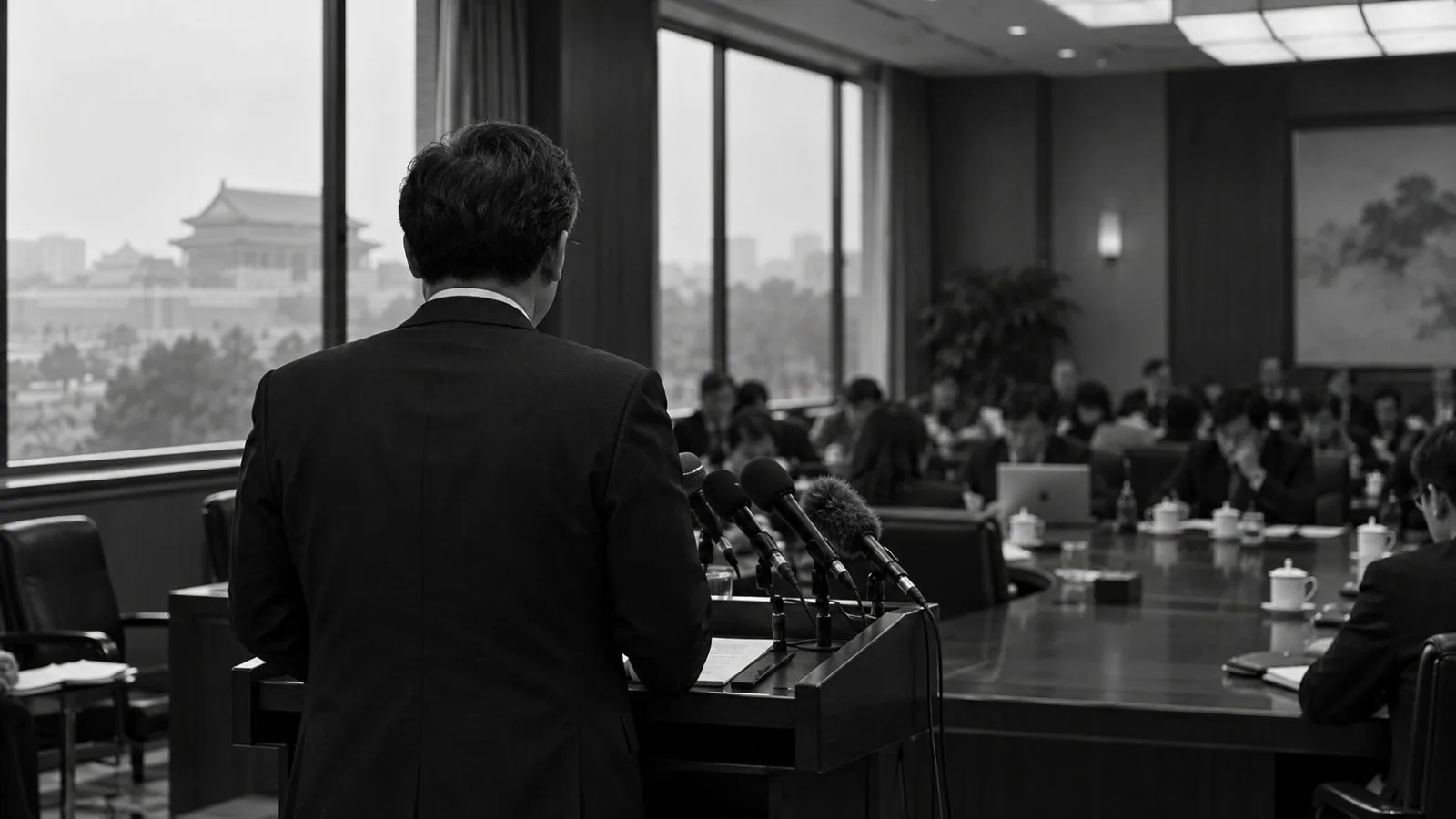
The European Parliament said its 12-member delegation, led by Bernd Lange, chair of its Committee on International Trade, visited Beijing, Hangzhou and Shanghai from Oct. 27-29. Lawmakers raised barriers facing EU companies in China, unpredictability in supply chains, access to critical raw materials and excess production capacity, the Parliament said. Lange said the group wanted other sectors to follow the vehicle arrangement's approach. The Parliament described the trip as the committee's second visit to China, following one in 2018.
The visit followed October talks in Beijing between EU Trade Commissioner Maroš Šefčovič and Chinese Commerce Minister Wang Wentao. A joint EU-China statement recorded the hybrid-vehicle understanding reached in those talks.
Eurostat said the European Union exported €199.6 billion in goods to China and imported €559.4 billion in 2025. The European Commission put the deficit at €359.9 billion, below the 2022 record of €397.3 billion. Eurostat reported a €103 billion deficit in the second quarter of 2026, the highest since the third quarter of 2022, when it was €107 billion.
Šefčovič said the vehicle arrangement could leave projected Chinese hybrid and plug-in hybrid exports to the EU more than 50% below a four-year scenario with no policy change. China's Ministry of Commerce (MOFCOM) cited EU imports of hybrids from China rising from 107,000 in 2024 to 302,000 in 2025. It described the arrangement as an upward adjustment based on 2025 figures and said China's quota would be at least as high as the quota for any other import source. Šefčovič's public remarks did not specify the quota mechanics.
The European Commission describes the EU-China economic relationship as unbalanced and says Chinese industrial policies contribute to overcapacity affecting trading partners. MOFCOM has described the vehicle arrangement as reciprocal and nondiscriminatory, and said it should follow World Trade Organization (WTO) rules. A joint statement scheduled a ministerial video conference for January 2027 and a third Trade and Investment Consultations meeting in March 2027.