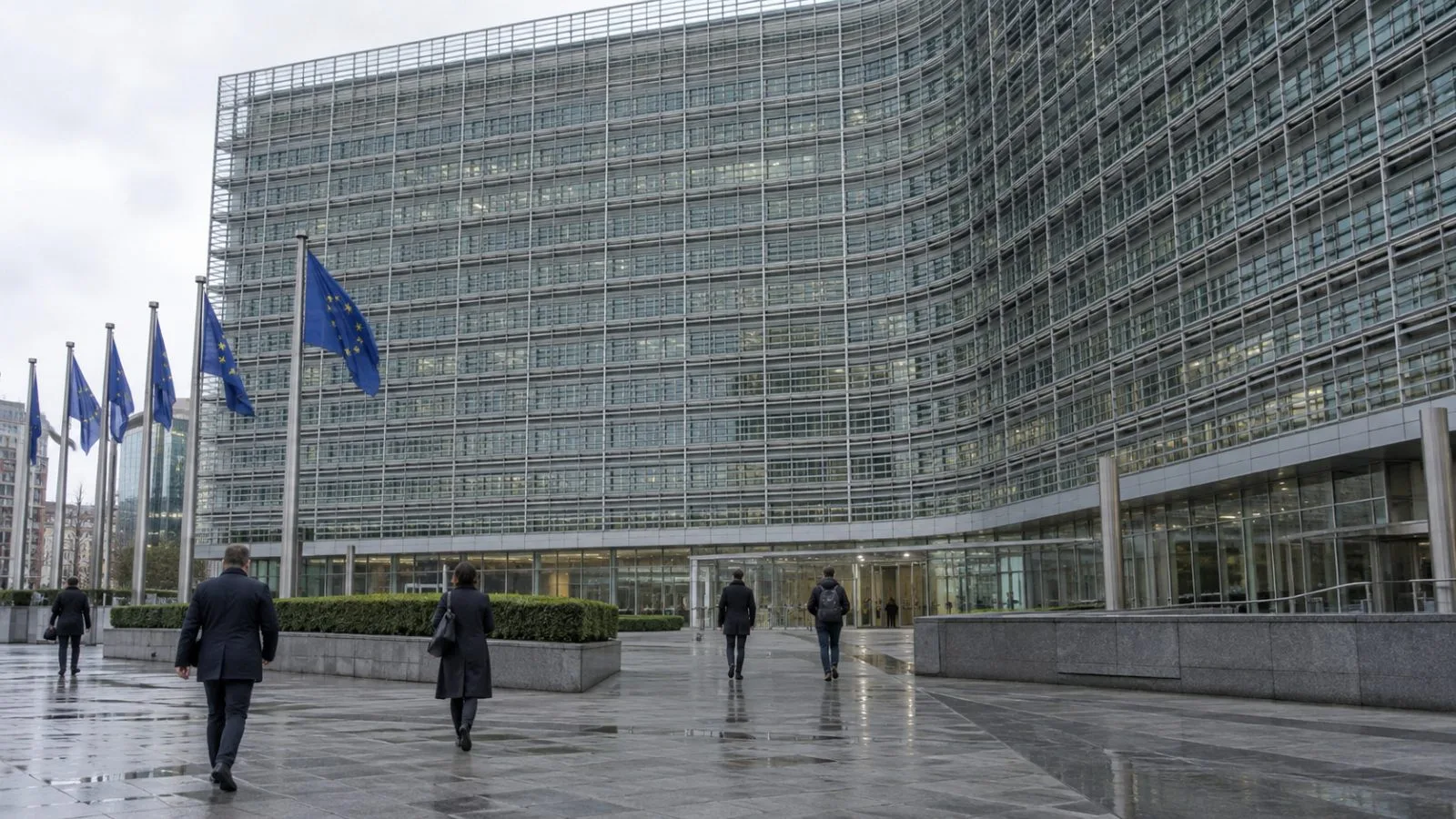
European Union leaders left Ukraine's request for at least €70 billion in additional 2027 support unresolved, even as they objected to a U.S. easing of Russian diesel sanctions.
Ukrainian President Volodymyr Zelenskyy told EU leaders at their Oct. 15-16 summit that he estimated the war would cost his country €155 billion in 2027. He asked Europe for at least €70 billion more for defense and resilience, his office said. He also requested 300 Patriot interceptors for a winter package to defend against ballistic missiles. None of those requests was an EU commitment.
EU leaders welcomed disbursements from an existing €90 billion loan for 2026 and 2027, which was adopted in April. The European Council said means had been identified to meet Ukraine's 2026 budget and defense needs. It also welcomed an agreement to release €6.6 billion under the European Peace Facility.
The European Commission and the International Monetary Fund (IMF) were asked to update their assessment of Ukraine's financing needs. EU leaders said they would revisit the funding question in a timely manner, without pledging the additional amount Kyiv sought.
On Oct. 9, the U.S. Treasury's Office of Foreign Assets Control (OFAC) issued a license covering transactions involving Russian-origin diesel sold, delivered, offloaded or imported through 12:01 a.m. ET on April 7, 2027. The license excludes debits to specified Russian state accounts at U.S. financial institutions.
President Donald Trump separately issued an order Oct. 16 waiving specified duties, sanctions provisions and restrictions under the Lindsey O. Graham Sanctioning Russia and Iran Act of 2026. The order left specified earlier Russia sanctions in place.
The European Council opposed the temporary U.S. relaxation of diesel sanctions and called for measures to reduce Russia's energy revenue. European Council President António Costa said, "This is no time to relieve Russia's sanctions." The council's conclusions nevertheless continued to envisage security guarantees for Ukraine in cooperation with the United States.
Costa said high and volatile energy prices were straining European households and businesses. He cited reliance on fossil fuels and the absence of a single European energy market as contributing factors.
Costa said the Commission had been asked to propose a way to address Ukraine's additional 2027 financing needs. EU leaders said they would return to the issue.