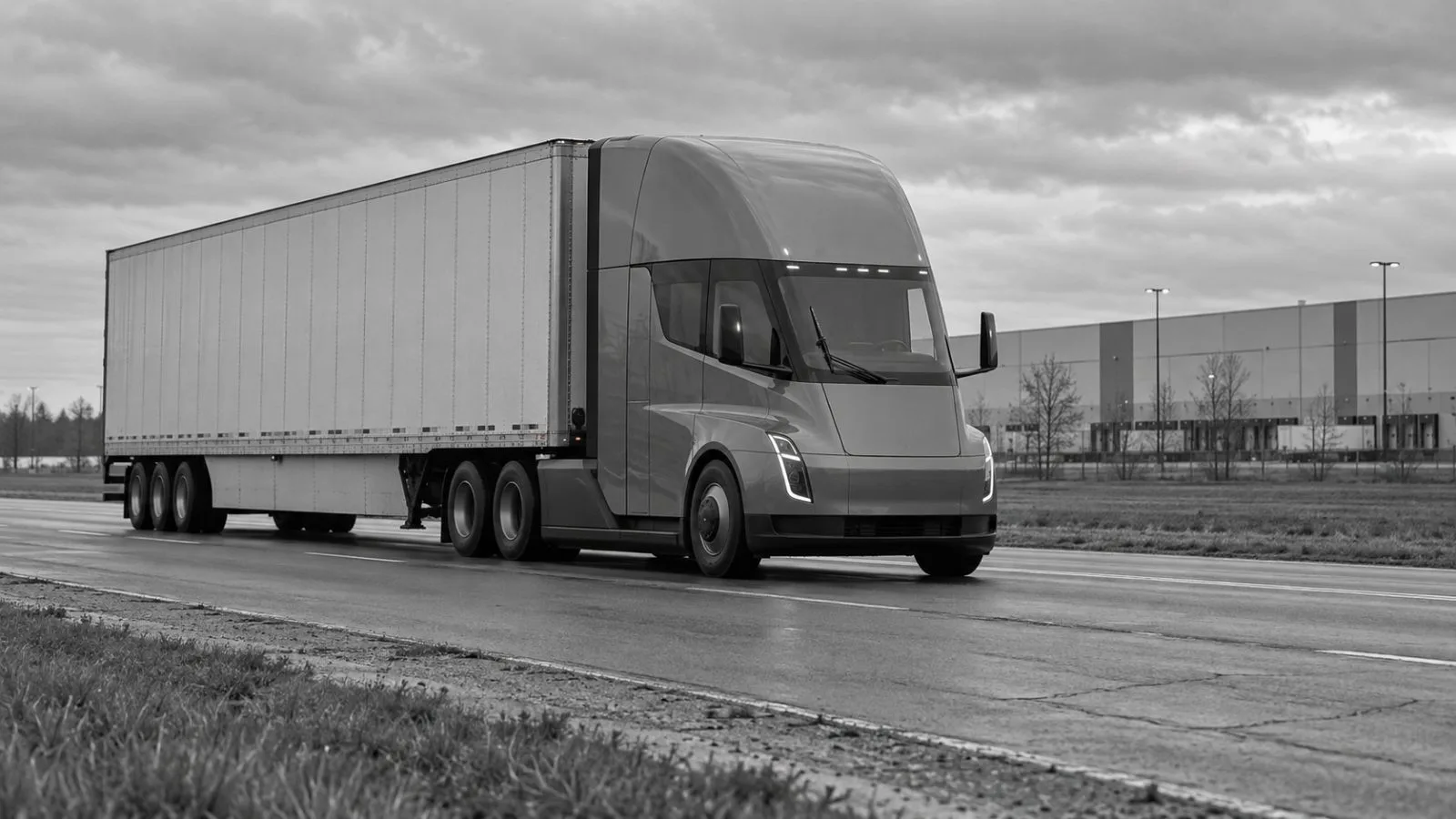
Einride has deployed four cabless autonomous electric vehicles at Lorenz Snacks' German plant, taking over recurring internal pallet movements once handled by diesel trucks under a five-year service deal.
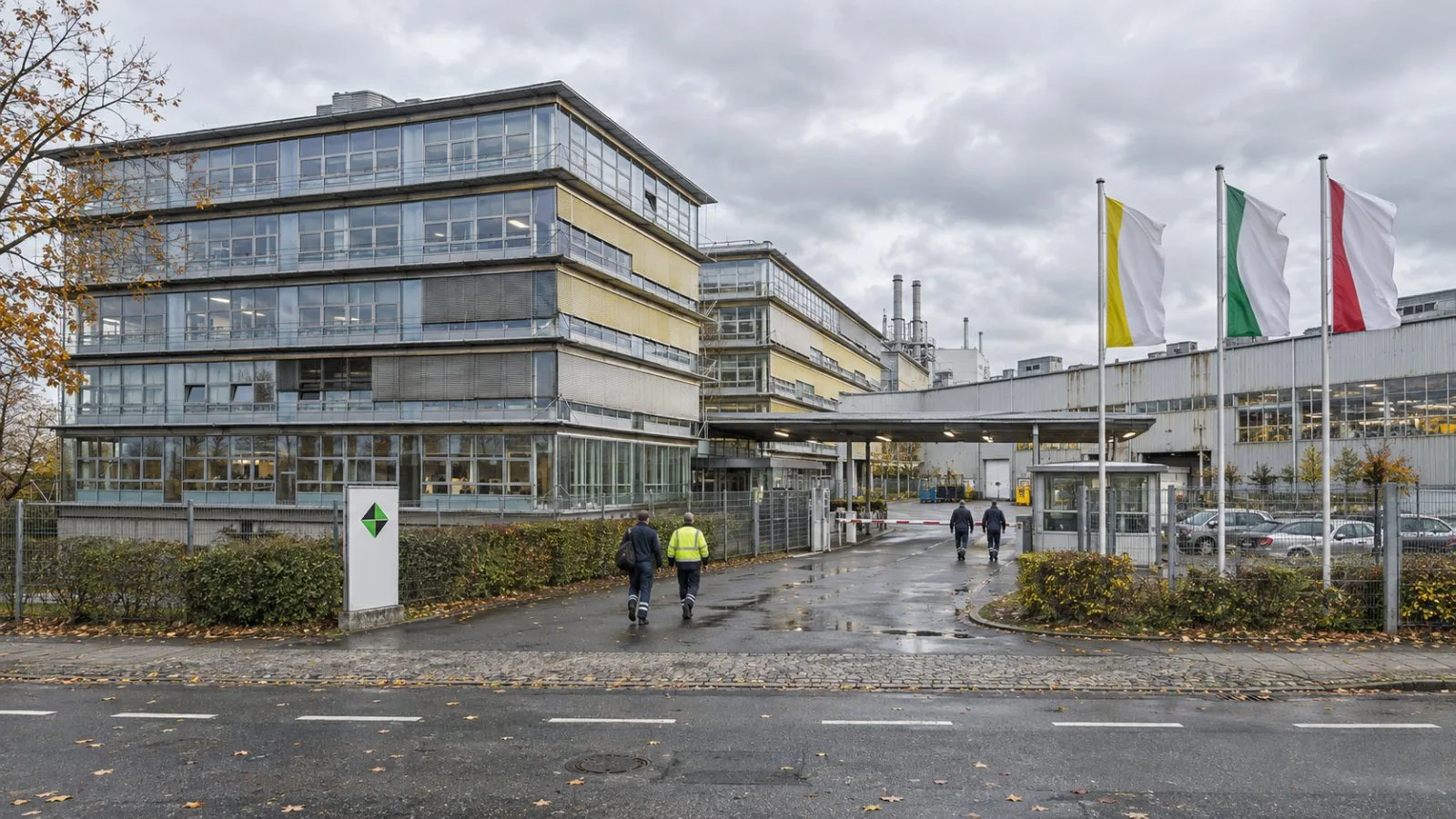
Einride announced the deployment Nov. 5 and said the companies had presented the project at the site a day earlier. The vehicles will carry raw materials, finished products and empty pallets as they move among production buildings and a central warehouse on private grounds. Einride retains ownership and will manage the fleet during the agreement.
The German Logistics Association (BVL) says the production facility and warehouse are about 500 meters apart. Before the project, Lorenz moved about 180,000 pallets a year along that connection in roughly 5,500 diesel-truck trips, according to BVL.
Einride forecasts an average daily volume of up to 1,200 pallets, while noting that peak periods may bring higher totals. BVL's award announcement gives a separate figure: regular operations can handle as many as 1,350 pallets a day. The announcements do not report actual throughput or explain how the estimates relate. A vehicle can carry a maximum load of 15 pallets, and Einride estimates a return journey will take 30 to 45 minutes, depending on operating needs.
Saga AI software will coordinate the fleet, Einride says. Two conventional electric trucks are available for backup; BVL also lists four trailers for exceptional situations. Einride says the vehicles will use electricity from the plant's photovoltaic system and are intended to reduce carbon dioxide emissions from internal transport, but it did not quantify the reduction.
Lorenz's “Pathfinder” project placed third in the 2026 German Logistics Award, BVL said. The association also reported that Lorenz expects the service to reach a viable economic footing after one year. BVL says the company is considering driverless transport on public roads and automated loading and unloading as possible future steps; those options are not part of the current deployment.