U.S. senator-elect Abdul El-Sayed and Arab-led parties in Israel secured major representation gains, but coalition bargaining will determine whether the 19 Knesset seats translate into government influence.
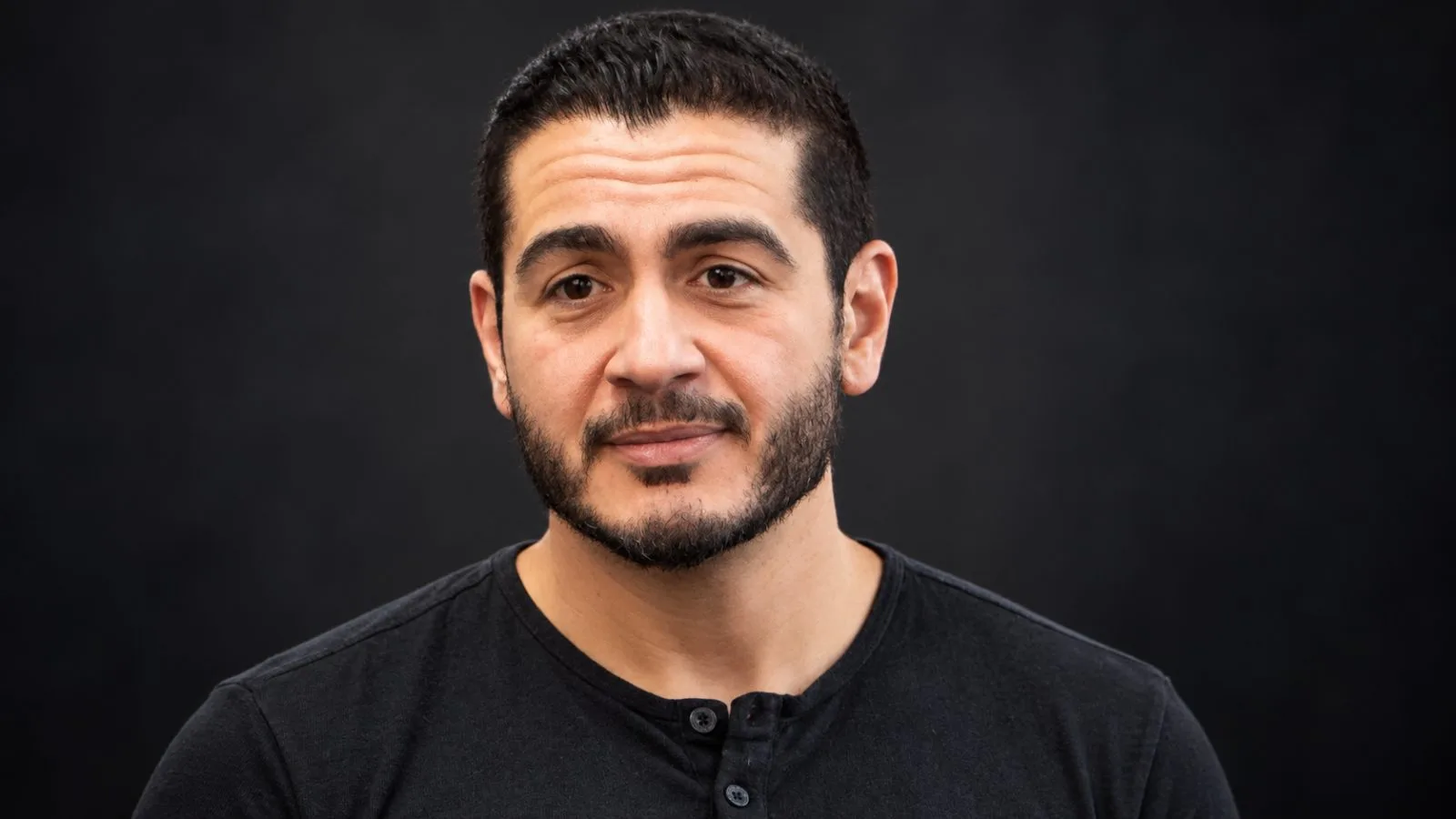
Anadolu Agency reported that Michigan Democrat Abdul El-Sayed was elected to the U.S. Senate, making him the first Muslim elected to the chamber. The report also counted at least seven Muslim candidates elected to Congress.
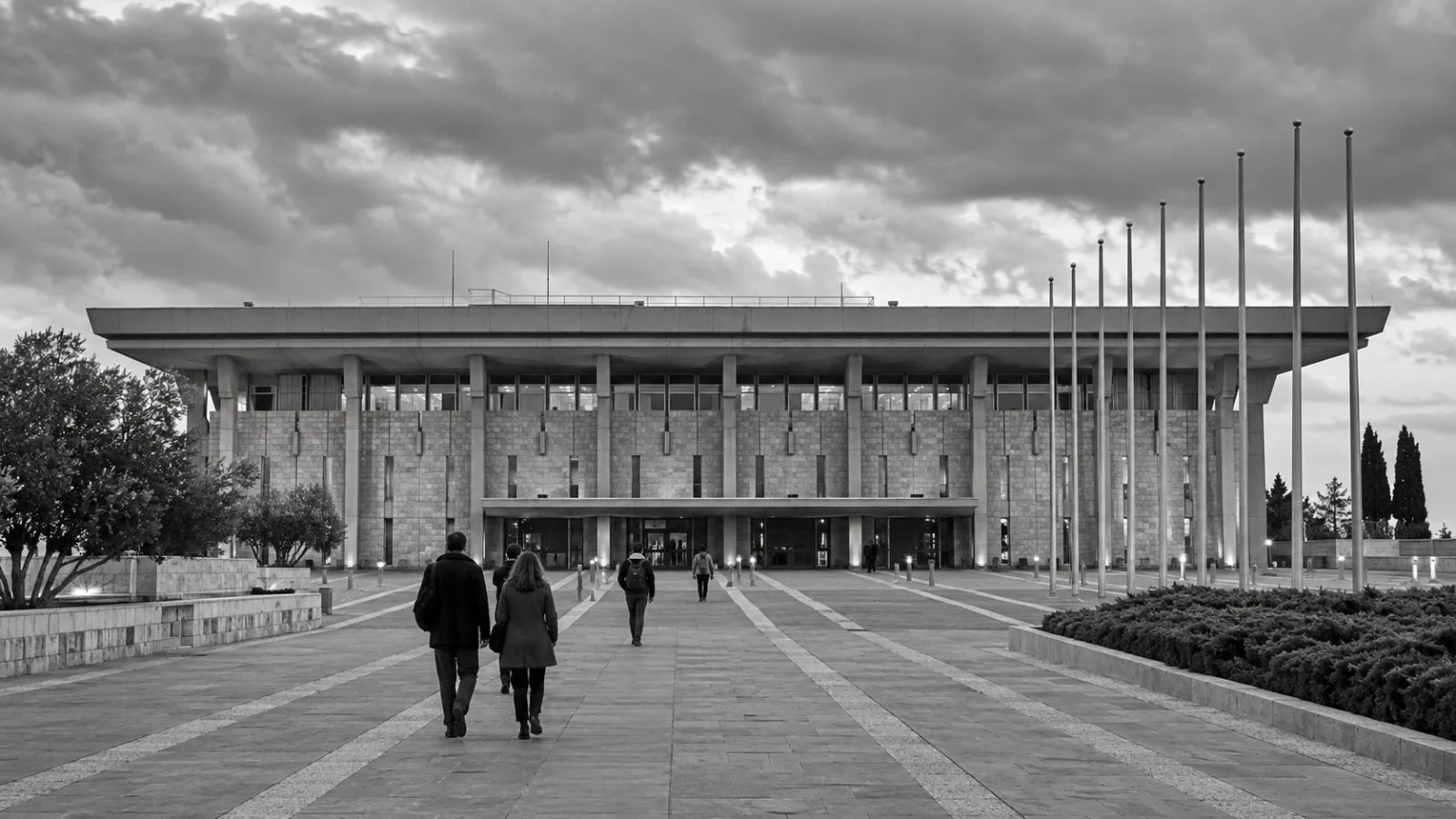
In Israel, Anadolu reported the Joint List won 11 Knesset seats and the United Arab List, also known as Ra’am, won eight. Together, the Arab-led parties hold 19 seats in the 120-member parliament.
Prime Minister Benjamin Netanyahu’s bloc secured 53 seats, while the opposition led by Gadi Eisenkot won 48. Neither grouping reached 61 seats, the threshold for a majority in the Knesset.
The opposition and Arab-led parties together hold 67 seats but have no coalition pact. That leaves the Arab-led parties’ potential role in a governing arrangement unresolved despite their combined representation.
Anadolu said President Isaac Herzog had begun consultations on forming a government and that Ra’am recommended Eisenkot.
Arab American Institute founder and President James Zogby told Anadolu that Arab American political engagement had grown over decades of organizing, with the Gaza war adding momentum. His account connects El-Sayed’s win to a long-running rise in participation.
Political scientist Neve Gordon told Anadolu that anger over Gaza and other issues affecting Palestinians helped drive turnout in Israel. He also cited racism and political exclusion as obstacles that may limit Arab lawmakers’ influence.
The results show different routes to representation: one Senate seat in the United States and party strength spread across Israel’s parliament. The numbers alone do not show what policy changes will follow, particularly while Israel’s coalition talks remain unsettled.
The new U.S. Congress takes office in January, and Israel’s Knesset is scheduled to convene Nov. 10.