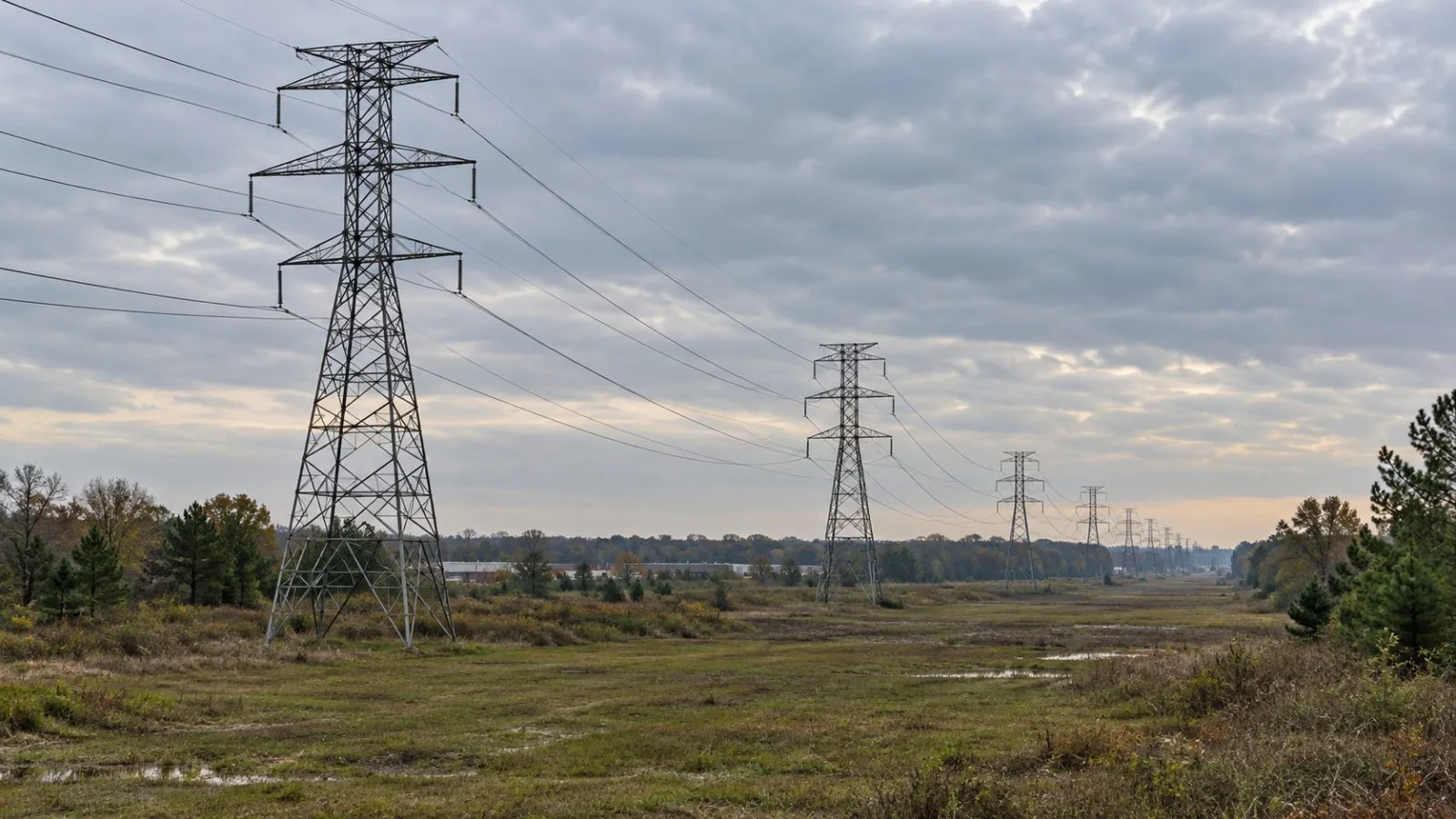
Elektron Energy says Lagos has licensed its planned Victoria Island Power project, a local electricity source for businesses that could broaden supply options as more Nigerian states regulate their own electricity markets.
The Nigerian Electricity Regulatory Commission (NERC) says that under the Electricity Act 2023, after a state transitions, its regulator oversees intrastate electricity activity. NERC counted 15 states as transitioned by Feb. 20, 2026, and lists Lagos’ transition date as June 4, 2025.
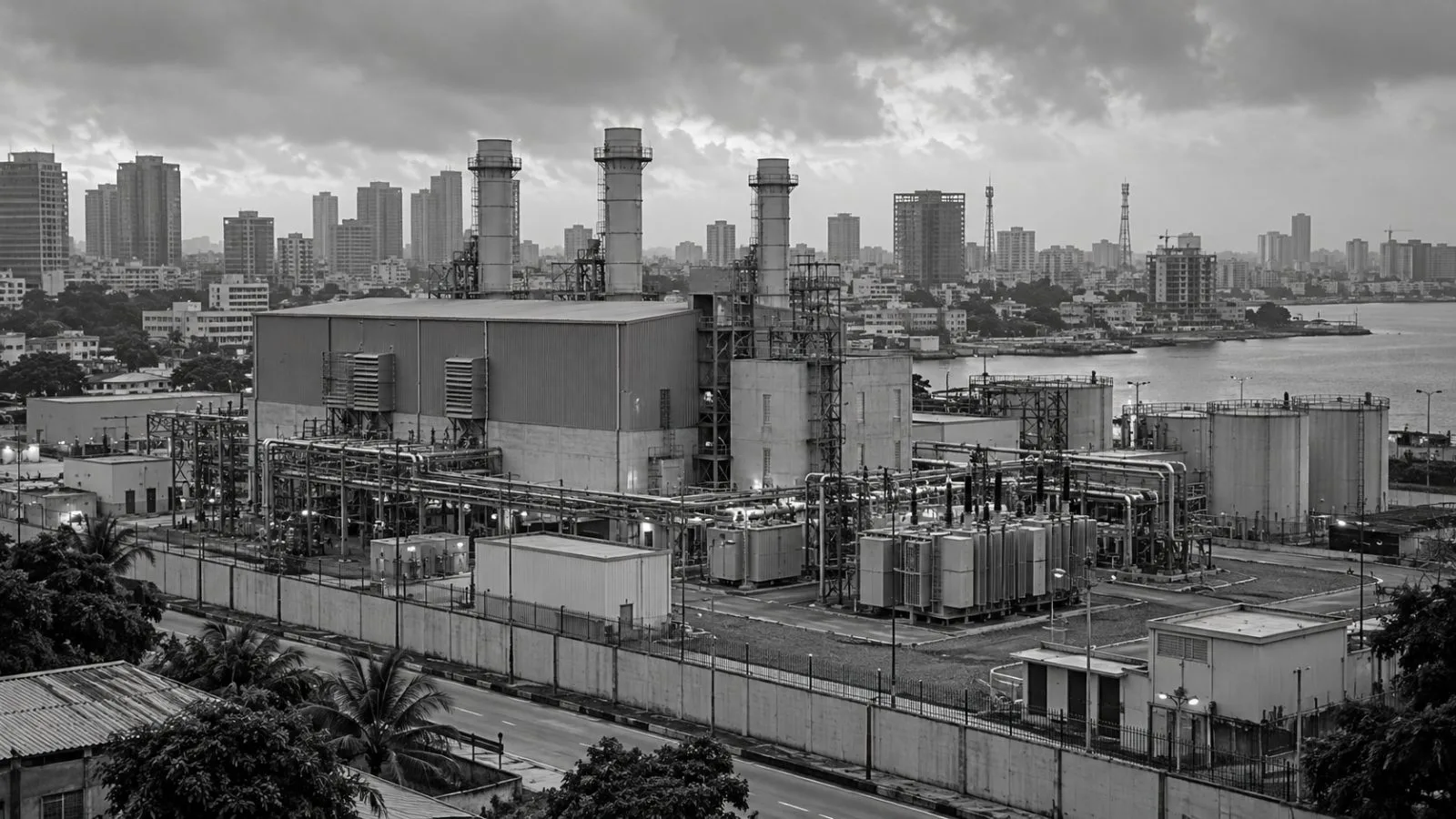
Elektron’s latest announcement describes Victoria Island Power Phase 1 as a 40-megawatt project expandable to 70 MW, and targets commercial operations in December 2026. The company describes it as an embedded power project and names Eko Power as a project partner. THISDAY reported that the Lagos State Electricity Regulatory Commission inspected the project and identified Wärtsilä as its engineering, procurement and construction contractor.
An Elektron project page still describes a 30-MW plant using three 10-MW engines and had listed a first-quarter 2026 completion schedule, a date that has passed. A Wärtsilä notice hosted on Elektron’s site also gives capacity as 30 MW; the company materials do not explain the differing figures and schedules.
BusinessDay reported Oct. 29 that projects like Victoria Island Power could compete with distribution companies, known as DisCos, for industrial and large commercial customers. The outlet said such accounts are especially important to DisCo revenue. NERC’s third-quarter 2025 report shows DisCos collected ₦570.25 billion of the ₦706.61 billion billed, a collection rate of 80.70%; the data do not separate industrial accounts.
Center for Development Studies senior energy analyst Aisha Mohammed told BusinessDay that businesses “have also learned to live without the grid.” BusinessDay also reported that some businesses rely on diesel or gas generators.
The sources reviewed do not confirm customer pricing or signed industrial supply agreements. Elektron lists commercial operation in December 2026 as its target.