Baker Hughes CEO Lorenzo Simonelli sees energy activity expanding in 2027, while Richard Bronze, Energy Aspects' co-founder and head of geopolitics, warns oil could move into surplus if Middle Eastern flows normalize, complicating project planning.
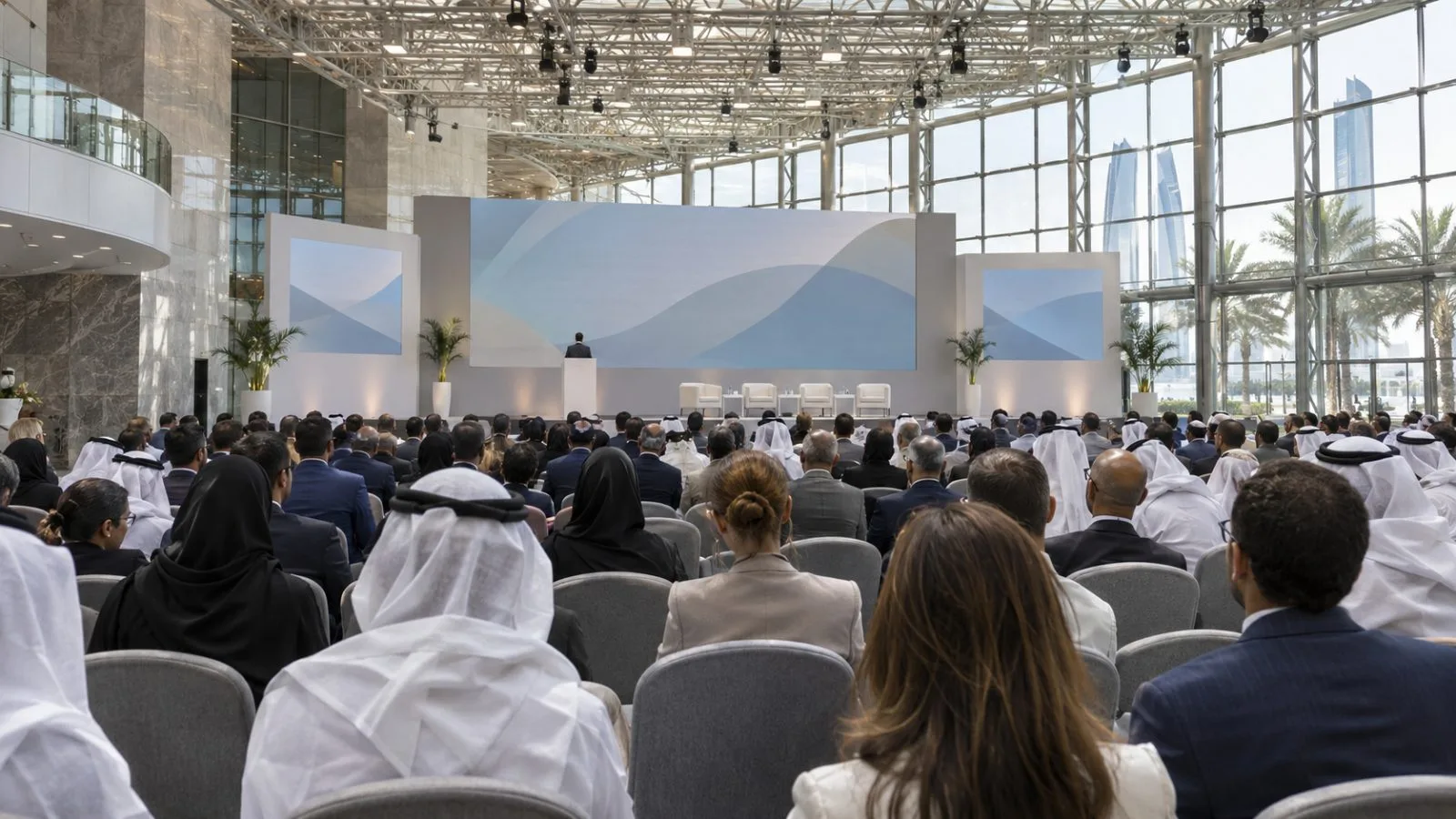
The comments came at Abu Dhabi's Nov. 2-5 ADIPEC conference and in separate discussions. They addressed different parts of energy planning, from electricity needs and infrastructure to oil supply and demand.
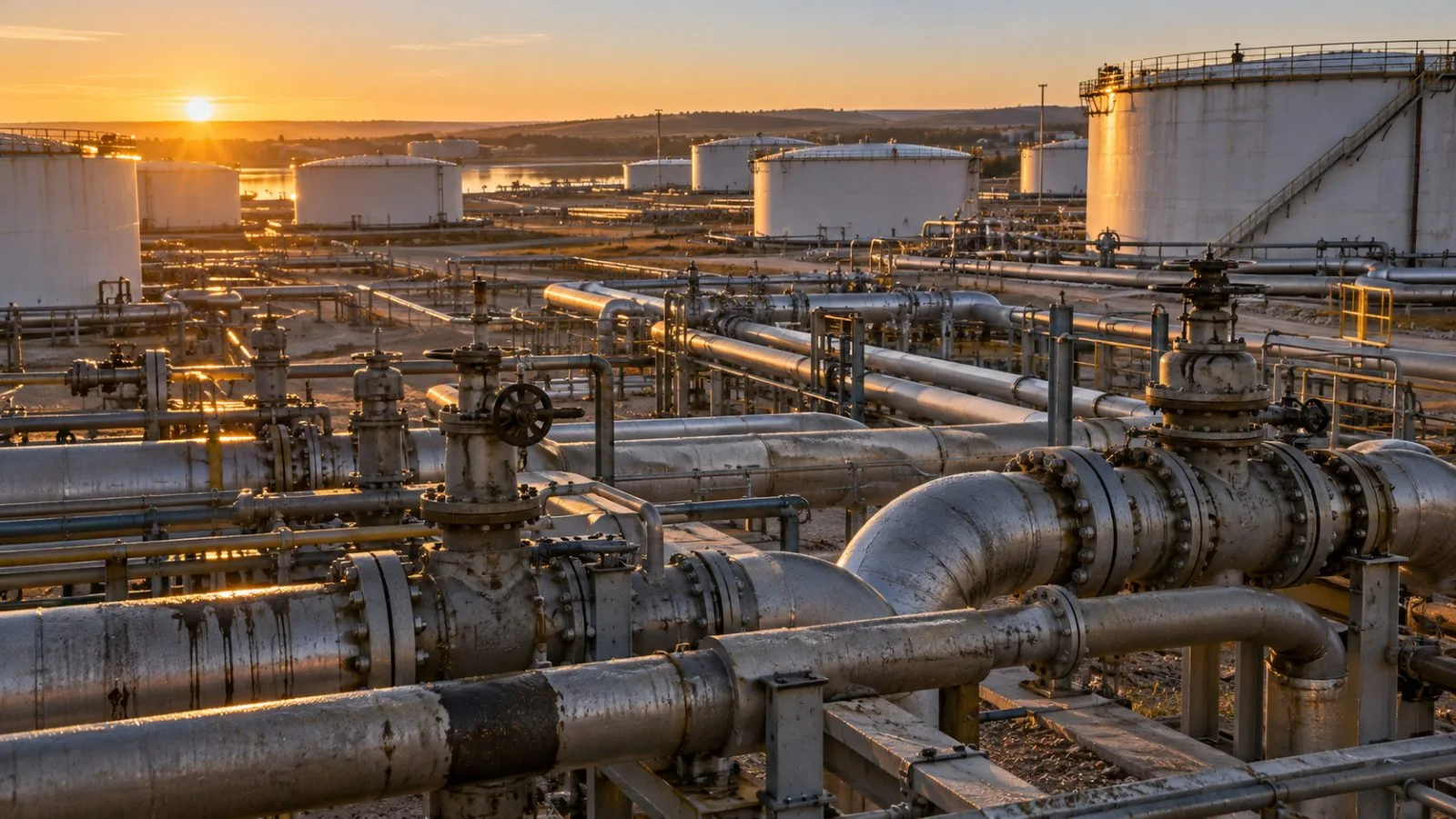
Simonelli forecast low-single-digit percentage growth in industry activity for 2027. He cited artificial intelligence (AI), population growth and rising energy use in developing economies as demand drivers, saying consumption and infrastructure requirements would support more capital investment over time. To improve resilience, he pointed to storage and pipeline expansion and steps to ease chokepoints in the network.
RWE CEO Markus Krebber said electrification and the spread of AI computing were lifting electricity needs, while he expected computing capacity and its power use to grow gradually. He also cited geopolitical tensions, supply-chain strain and higher interest rates as factors that complicate investment decisions.
BP CEO Meg O’Neill said differences in demand estimates affect planning: developing oil and gas projects takes years, and they can continue producing for decades. She said BP needs to prepare for lower oil prices amid uncertainty.
The two projections describe different metrics. Simonelli’s forecast tracks activity across the energy industry, while Bronze’s scenario concerns whether oil supply exceeds demand. More work across the sector would not by itself remove the possibility of a crude surplus.
Schneider Electric CEO Olivier Blum said the conflict had taken momentum out of some Persian Gulf projects. He described the prospects for additional infrastructure over the medium term as stronger.
ADIPEC’s survey findings on energy investment appeal showed that 85% of respondents rated energy as a better investment opportunity than five years earlier. The figure reflects respondents’ views; ADIPEC’s Oct. 22 announcement did not report how much capital had been committed or spent.