Enugu State Governor Peter Ndubuisi Mbah defended Nigeria’s petrol subsidy removal, arguing that renewed debate over restoring it could unsettle investors as the IMF reports problems tracking savings and reaching households with cash aid.
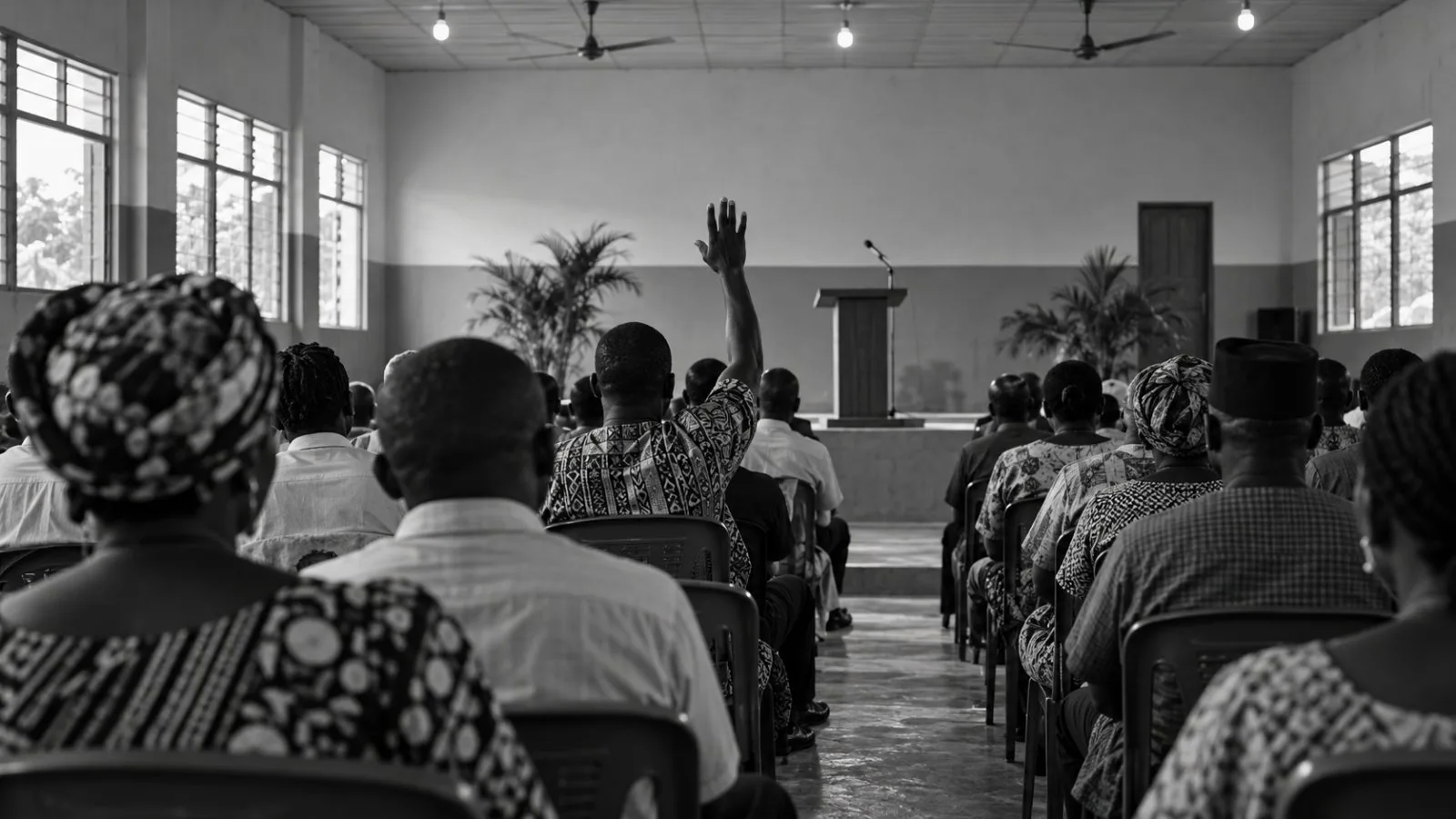
At an Afia TV town hall in Enugu on Wednesday, Oct. 21, Mbah said reinstating the subsidy would cost 10 times the gains from ending it and could lead to an automatic devaluation of the naira. The Enugu State Government’s official account on X quoted him saying, “It’s not debatable, we can’t go back.”
Mbah also argued that discussing a return could unsettle prospective investors. He urged officials to focus on private investment, jobs and wealth creation. The government’s recap gave no calculation, baseline, unit or time frame for his 10-times comparison.
He said the former subsidy largely benefited wealthier Nigerians and pointed to cash transfers and a seed-capital program aimed at 1,000 people per ward as support for poorer households. The state account did not report how many people the program had reached or its results.
The Federal Ministry of Finance’s 2023-26 reform scorecard estimates subsidy savings at ₦15.8 trillion across the federation. Its breakdown assigns ₦5.43 trillion to the federal government, ₦6.52 trillion to states and ₦3.88 trillion to local governments.
In a May 2026 report on Nigeria, the IMF said it remained difficult to determine whether subsidy savings were reaching the budget. The report said enrolled households had received no more than three cash-transfer payments since 2023, each worth ₦25,000, or about US$18. Its assessment predates Mbah’s remarks and does not establish the reach of the seed-capital program.
President Bola Ahmed Tinubu backed phasing out the subsidy in his May 29, 2023, inaugural address. He said its rising cost increasingly favored wealthier Nigerians and that the funds should go to infrastructure, education, health care and jobs. The IMF expects its next Article IV consultation with Nigeria on the standard 12-month cycle.