Eternal CEO Albinder Dhindsa said Blinkit sees no clear margin or demand benefit from expanding private labels, favoring a platform role that helps established brands reach customers.
In Eternal’s Q2 FY27 shareholders’ letter, published Oct. 21, Dhindsa said customers should have a clear reason to select a private-label product. He said shoppers should choose it for its “quality, story-telling or design.” That standard makes distinct appeal central to the case for an own-brand line.
Building such a range would require Blinkit to coordinate with manufacturers, maintain quality and keep a broad assortment in stock, Dhindsa said. Product sampling and marketing would add further work. He said established brands are better equipped for these tasks, which fall outside Blinkit’s core expertise. The letter described the work but did not quantify its cost.
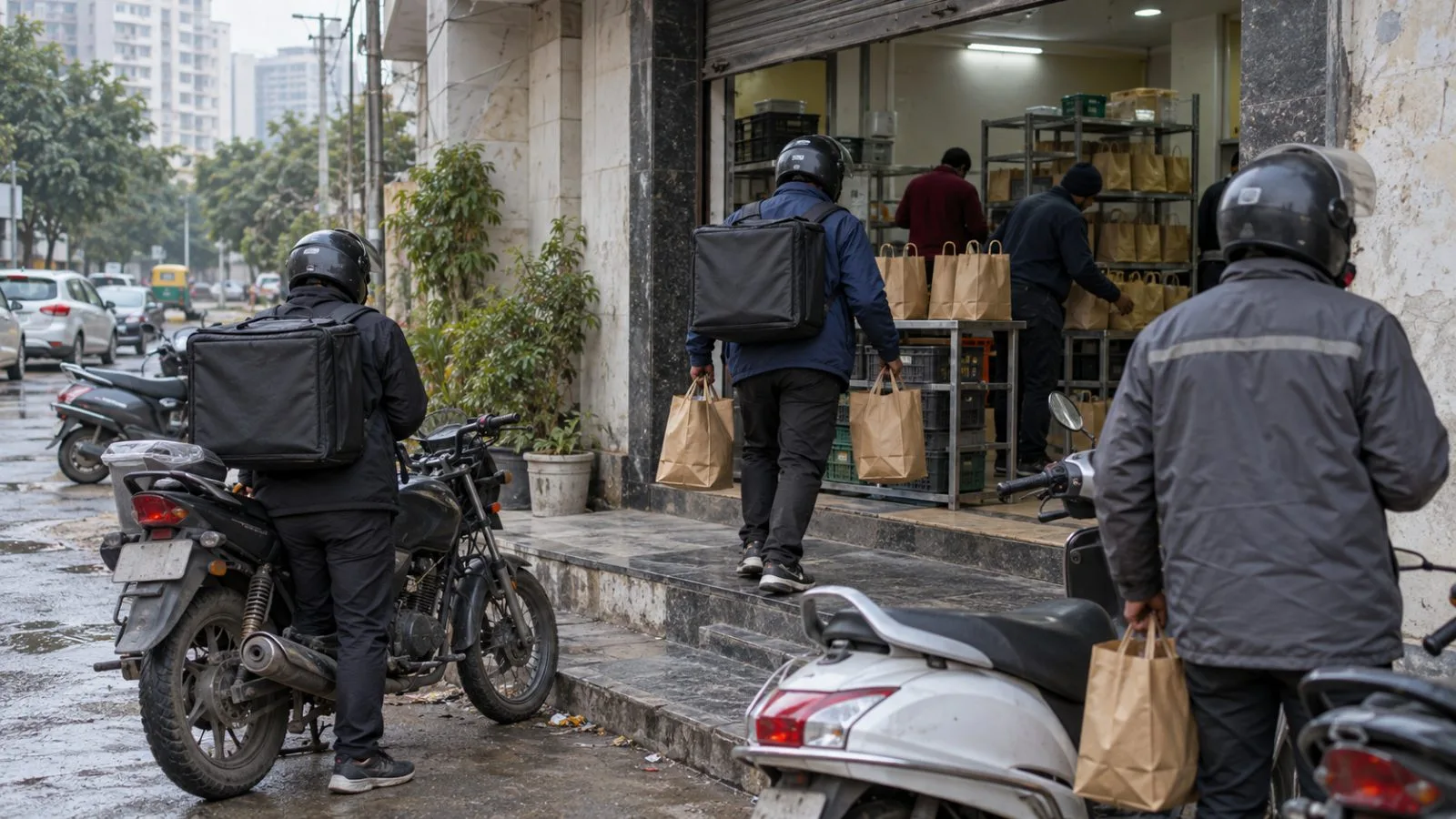
Dhindsa said Eternal saw no clear path from a wider range to higher margins or additional demand. Instead, he said Blinkit can offer shelf space and product visibility to outside brands, helping them grow while generating advertising revenue for the platform. He did not give a figure for that revenue.
He identified fruits and vegetables as a different case. Hyperpure’s sourcing and quality control can create supply-chain value, Dhindsa said, without requiring a separate consumer-facing brand.
Blinkit’s catalog lists a 500-gram Whole Farm Premium Masoor Dal product. Swiggy said Aug. 6 that its Instamart brand Noice spanned 46+ categories and 380+ SKUs, with more than nine million customers. Those figures describe the range and customer base Swiggy reported, rather than Blinkit’s margin outlook.
The private-label debate also connects to Blinkit’s margin discussion, covered in EconoTimes’ earlier report on margin progress amid store expansion.